
Under the wave of intelligent transformation in the manufacturing industry, the production modes of downstream industries such as food, daily chemicals, hardware, and building materials continue to change. The proportion of multi-variety and small-batch orders continues to increase, and labor costs are rising, forcing the packaging process to accelerate upgrades. Automated packaging equipment has ushered in a broad market development space, promoting the entire automated packaging machinery industry to move rapidly towards flexibility, intelligence, and integrated production lines.
For a long time in the past, many manufacturing companies relied heavily on manual labor to complete packaging processes, with high labor intensity and personnel turnover in positions such as feeding, measuring, bag making, sealing, and packing. Manual operation not only has limited production capacity, but the quality of packaged products is easily affected by human factors, and material loss and defect rates are difficult to control, becoming a prominent weakness that restricts factories from expanding production capacity. In this context, replacing manual operations and building automated packaging production lines have become the core choices for many production enterprises to reduce costs and increase efficiency.
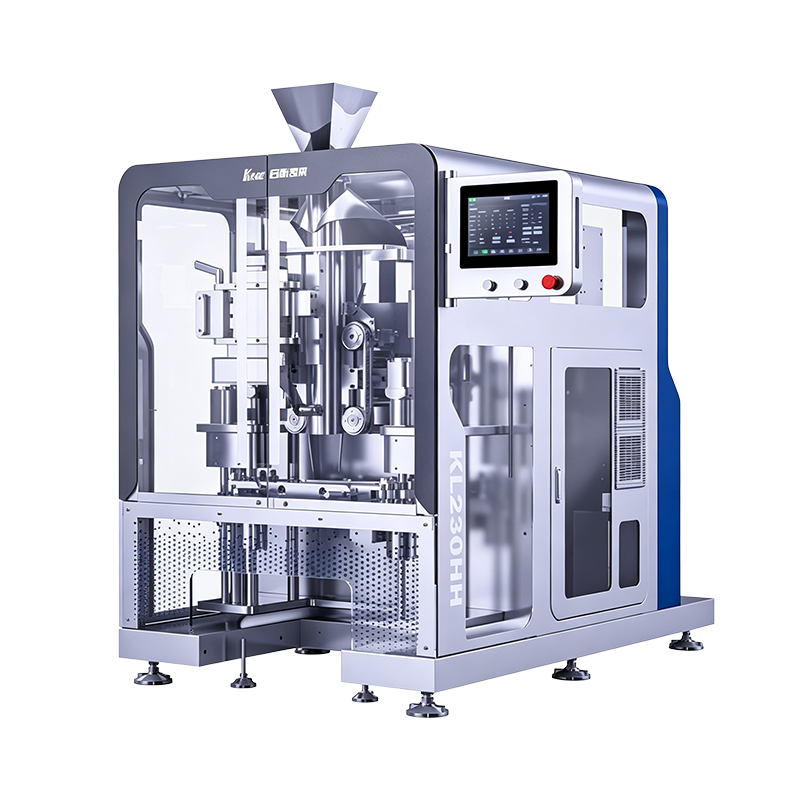
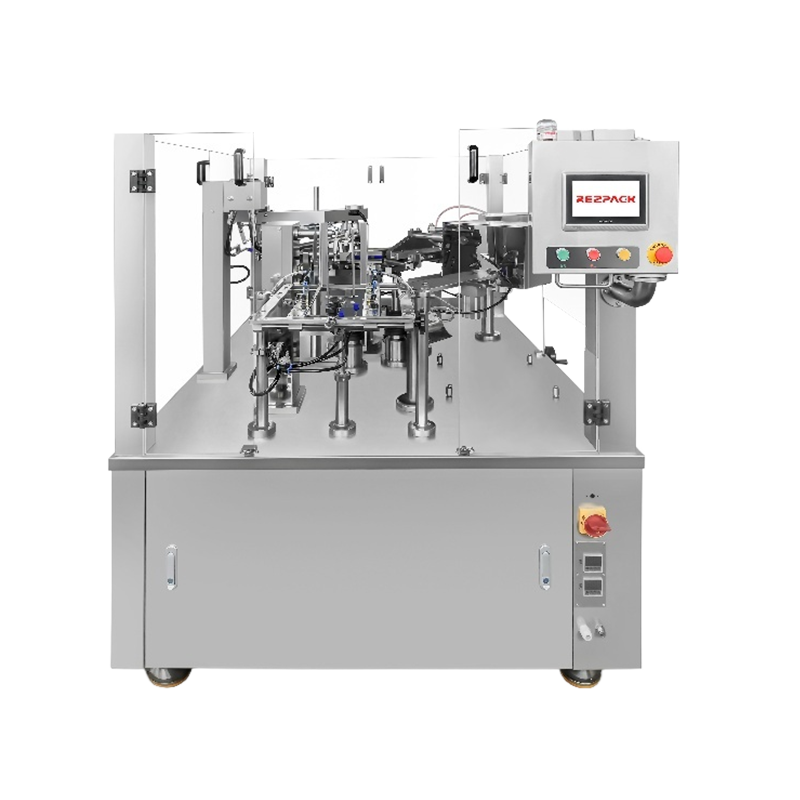
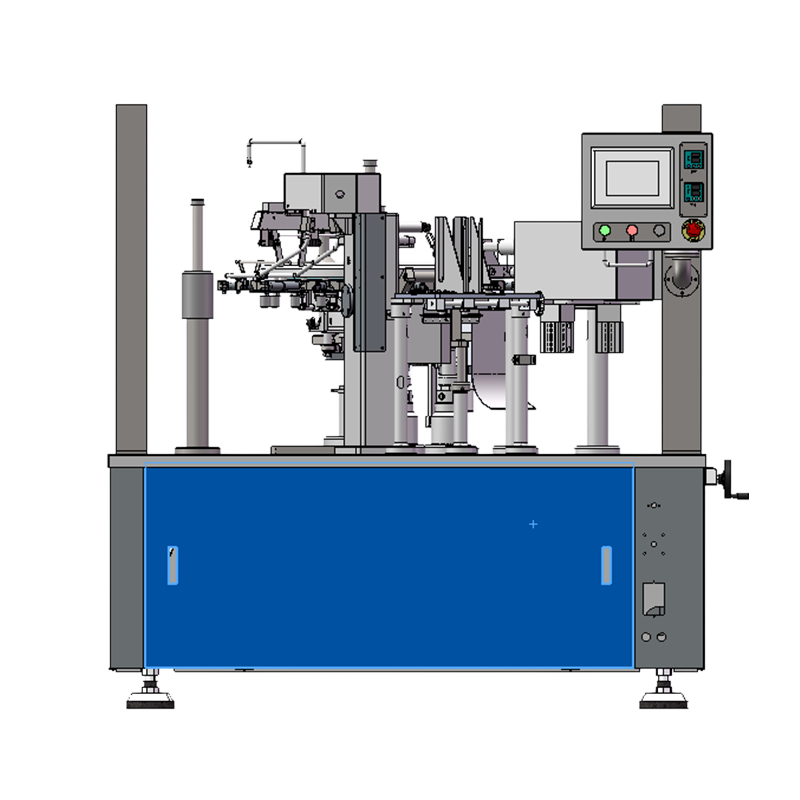
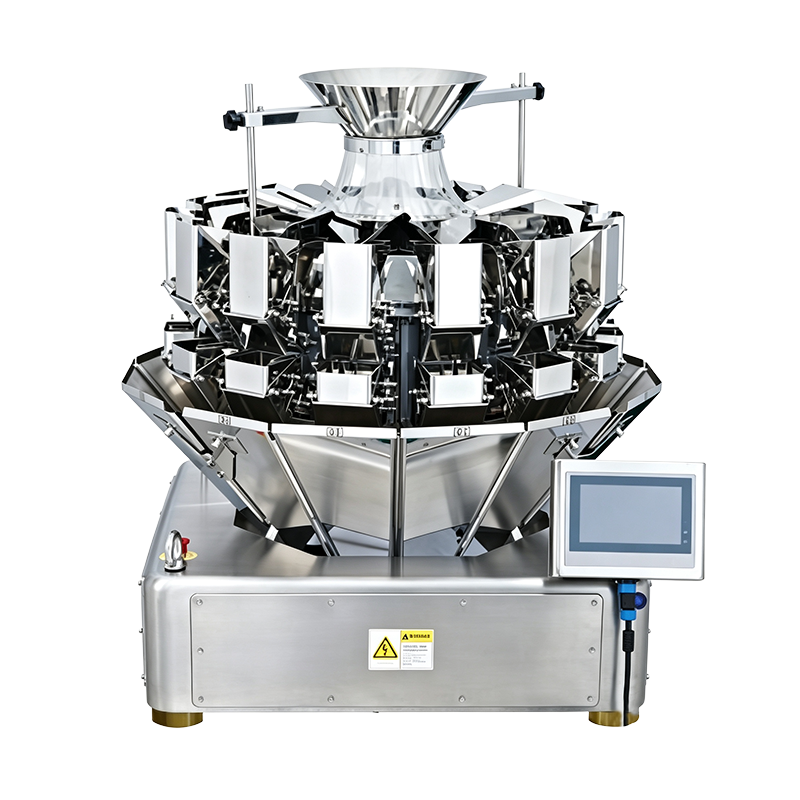
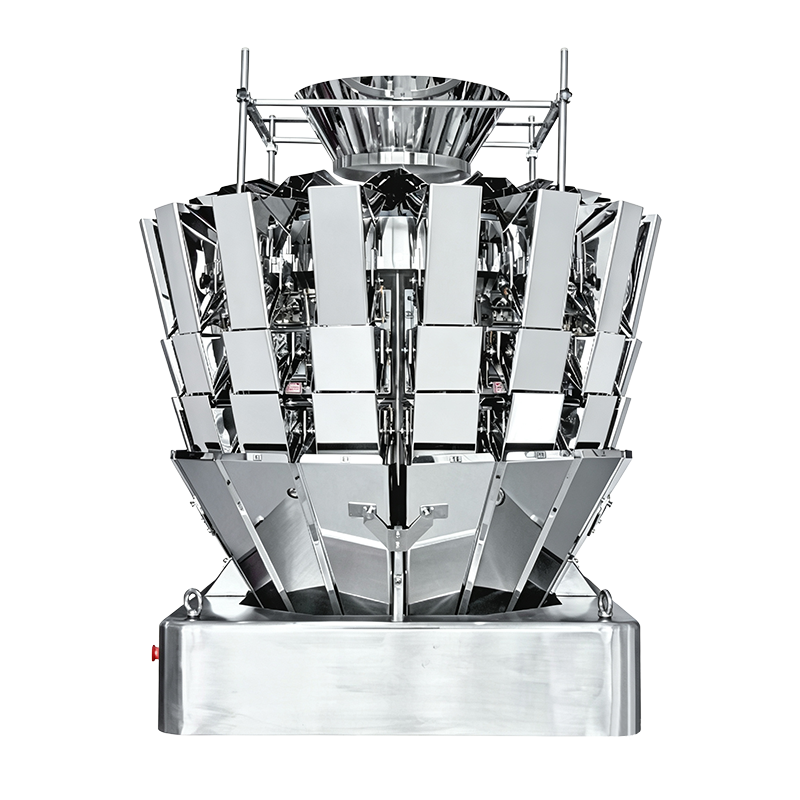
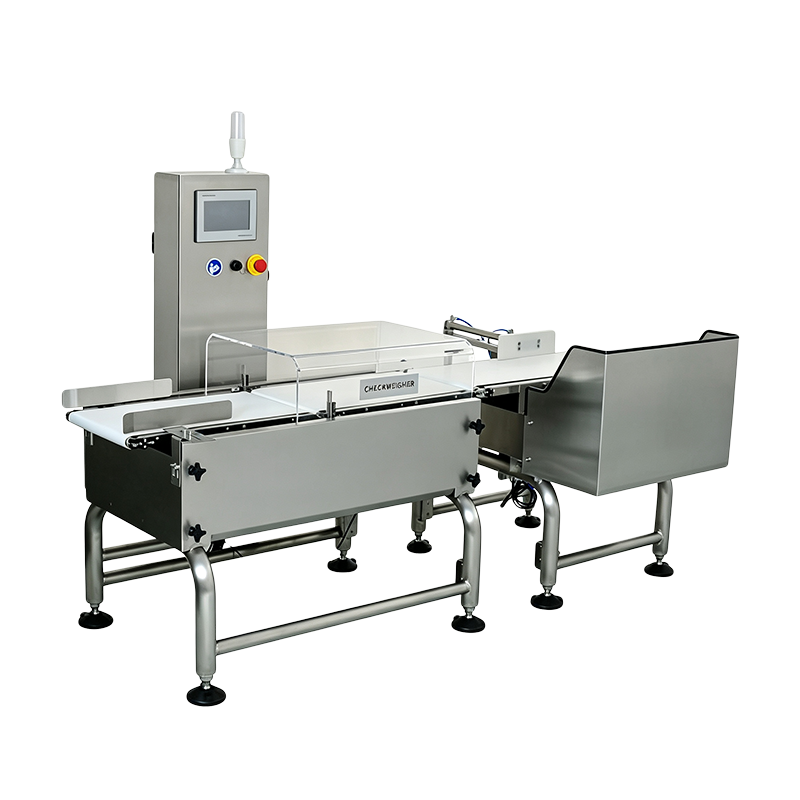
Automated packaging equipment is no longer a single standalone device, and modular design, servo drives, and intelligent control systems are widely used. The new generation of models can achieve integrated operations of automatic measurement, bag making, sealing, testing, and conveying, requiring only a small number of personnel to complete material replenishment and inspection, greatly reducing the manpower investment in the position. The device supports quick switching of product specifications, shortens production time, and meets the needs of large-scale standardized production and multi-category flexible production. Some complete sets of equipment can also be connected to upstream production equipment and back-end palletizing and warehousing systems, creating a complete automated packaging assembly line to help factories achieve a less manual production mode.
The changes in market demand are also reshaping the competitive landscape of the automated packaging machinery industry. Industry competition has shifted from simply competing for equipment operating speed to competing for equipment stability, customization capabilities, whole line solutions, and comprehensive after-sales services. When downstream customers purchase, they place greater emphasis on equipment adaptability to operating conditions, long-term failure rates, spare parts supply, and technical support response efficiency. The advantages of equipment manufacturers with non-standard customization and full line integration capabilities continue to be highlighted.
As an automated packaging machinery manufacturing enterprise, based on actual market demand, we continuously optimize the performance of individual machines and the overall line solution. We not only provide standardized fully automatic packaging models, but also carry out non-standard customization for different material characteristics and workshop site conditions, covering various packaging scenarios such as particles, powders, and solid materials. At the same time, we will strengthen the construction of the equipment operation and maintenance system, reduce the threshold for customers' later use through remote technical support, on-site debugging guidance, and spare parts guarantee, and help enterprises smoothly complete the automation transformation of the packaging process.
Industry analysis indicates that in the future, automated packaging equipment will further integrate technologies such as machine vision inspection, data collection, predictive maintenance, etc., to continuously improve the level of equipment intelligence. Green and energy-efficient design, rapid changeover capability, and interconnectivity of production lines will become important development directions. Automated packaging equipment manufacturing enterprises will also continue to polish their product strength, using reliable equipment to help more manufacturing enterprises improve quality and reduce costs, and share the dividends of intelligent manufacturing development.

Contact Us
+86-573-82788180
Need E-mail
info@mainfill.com
About
Jiaxing K-Line Machinery Co., Ltd. is an automatic packaging machinery manufacturer and service provider serving the domestic high-end and overseas markets.
Links
Products
Get a Free Quote

 English