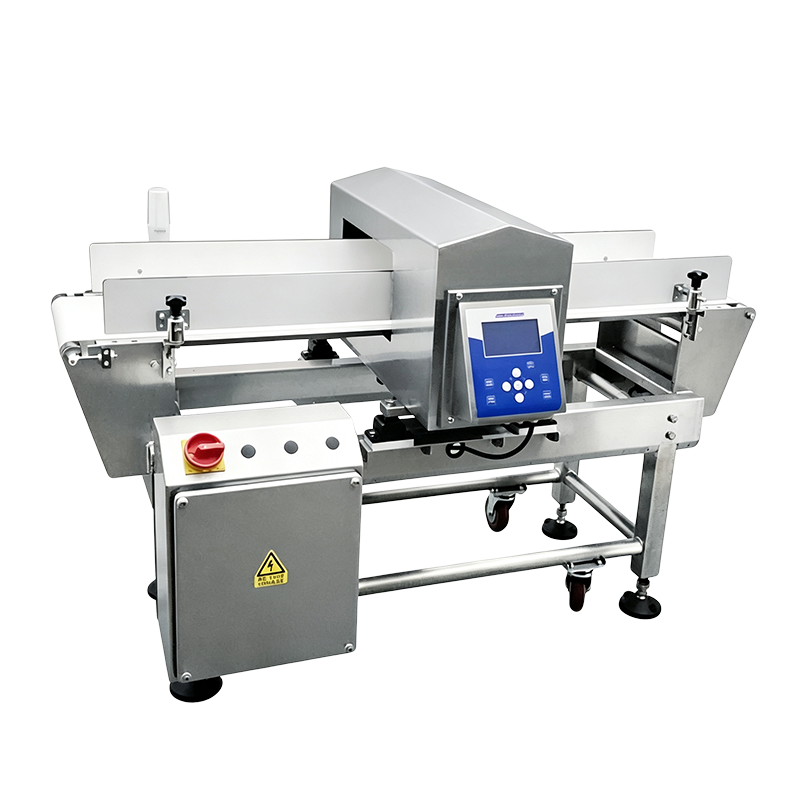
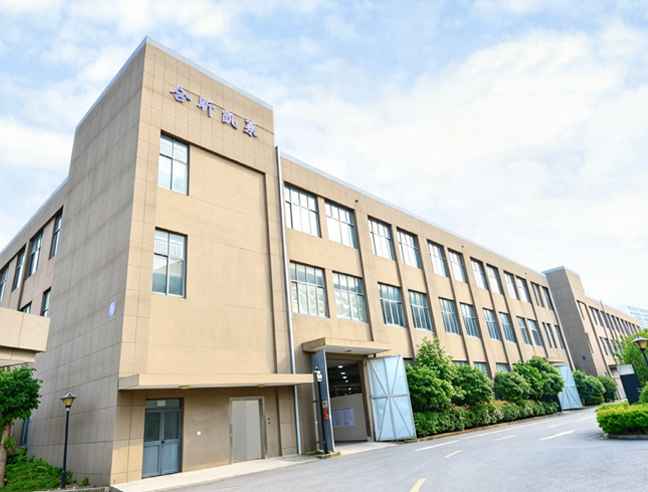
Jiaxing K-Line Machinery Co., Ltd. is the Metal Detection Machine Manufacturer behind the ER3515, ER3525 and ER4515 conveyor detector series. From our factory in Jiaxing, China, we build machines that remove ferrous, non-ferrous and stainless steel contamination from packed and unpacked products on a belt conveyor.
These systems belong to our Checking Equipment line, which also includes checkweighers, throat metal detectors and X-ray inspection machines. We deliver each detector as a line-integrated unit, sized for your pack, speed and reject handling by the same engineering team that builds the vertical packaging machines, weighers and conveyors around it.
Metal Detection Machine Range
The current series covers three belt conveyor models. All are configured around the same control platform, with aperture, belt width and reject station selected for the product being checked.
| Model |
Position in the range |
Detection threshold |
Reject options |
Typical application |
| ER3515 Standard |
Compact conveyor unit for moderate pack sizes |
Fe ≥0.8 mm, non-ferrous ≥1.2 mm, stainless steel ≥1.5 mm |
Air jet, pusher, flipper |
Snack bags, frozen food, nuts, granule packs |
| ER3525 High-Profile |
Taller pack clearance for bulky pouches and boxes |
Fe ≥0.8 mm, non-ferrous ≥1.2 mm, stainless steel ≥1.5 mm |
Flap down, pusher, drop belt |
Cereal, pet food, taller stand-up pouches |
| ER4515 Wide-Belt |
Greater belt width for large or multi-lane product flow |
Fe ≥0.8 mm, non-ferrous ≥1.2 mm, stainless steel ≥1.5 mm |
Drop belt, flipper, air jet |
Case-ready products, hardware, wide feed lines |
Detection apertures span 350×150 mm to 450×150 mm depending on model and product height. The range uses ARM+FPGA control architecture, X-R orthogonal decomposition and multiple filtering algorithms, stores up to 50 product parameters and supports intelligent self-learning for product changeover.
Line Placement and Application Fit
A conveyor metal detector is installed where contamination risk is highest. On a packaging line, we usually position it after sealing to check the finished pack before it reaches the carton. It can also be placed before filling when incoming raw material is the main risk.
- After sealing: checks the packed product and catches metal from machine wear or process contact.
- Before filling: stops contaminated material before it reaches the packaging machine.
- Free-fall check: for powders and granules, a Throat Metal Detector inspects material between the weigher and bag former.
- Combined checking: a Checkweigher after the detector catches weight errors while the metal detector blocks contamination.
Detection Performance and Product Effect
The quoted thresholds are machine-level values; the sensitivity you achieve in production depends on aperture height, product density, moisture, salt content and belt speed. Wet, salty or high-density products create a product effect that can mask small metal particles. We select the aperture and processing algorithm from your product information.
Foil pouches can block a metal detector. If your pack is metallised film, or if you also need to find glass, stone, bone or dense plastic, we combine the metal detector with an X-ray inspection system or specify X-ray as the primary check.
Rejection and Line Integration
Every detector is configured with a reject station matched to the pack:
- Air jet: light, stable packs; no mechanical contact.
- Pusher: stable bags and cartons on a straight belt.
- Flipper: compact packs at medium speed.
- Flap down: high-speed ejection on a chute or short belt.
- Drop belt: heavy or unstable packs carried on a separate section.
We match the detector belt height and width to the existing line, so installation is a straight mechanical splice. The control cabinet can accept start/stop and speed signals from the packaging machine, and the reject station can be configured for reject confirmation back to the line control system.
Configuration and Controls
Each unit is configured around three inputs: the physical pack, the required throughput and the reject handling at the end of the conveyor. The standard control stores up to 50 product parameter sets, so operators recall a recipe instead of tuning the machine again. Changeover from one product to another is handled through the HMI, and the self-learning function updates the filtering settings as production runs.
Information we use to prepare your configuration
- Product name, pack format, dimensions and maximum pack weight
- Line speed in packs per minute or conveyor speed in m/min
- Contaminant risk: ferrous, non-ferrous or stainless steel, and critical size
- Product effect: moisture, salt, temperature, metallised film or high density
- Available space, conveyor height and reject area after the detector
- Electrical supply and washdown or dust environment
- Required data output, alarms or connection to an existing line control system
The same data lets us adapt the machine for OEM projects, non-standard line heights and special reject layouts without changing the core detection platform.
Quality, Documentation and Support
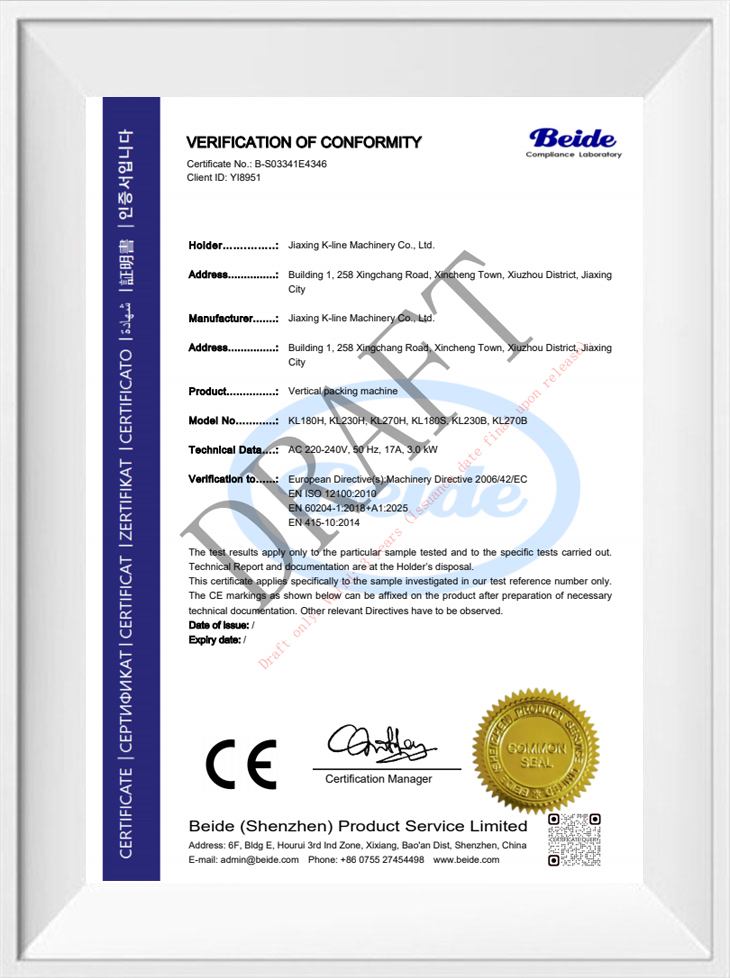
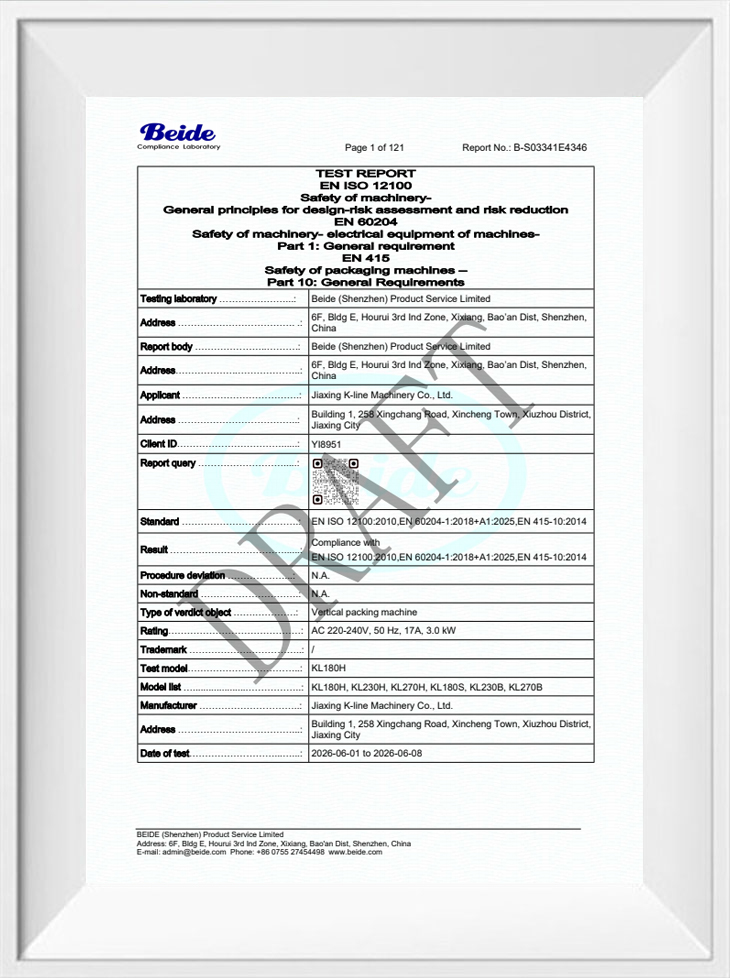
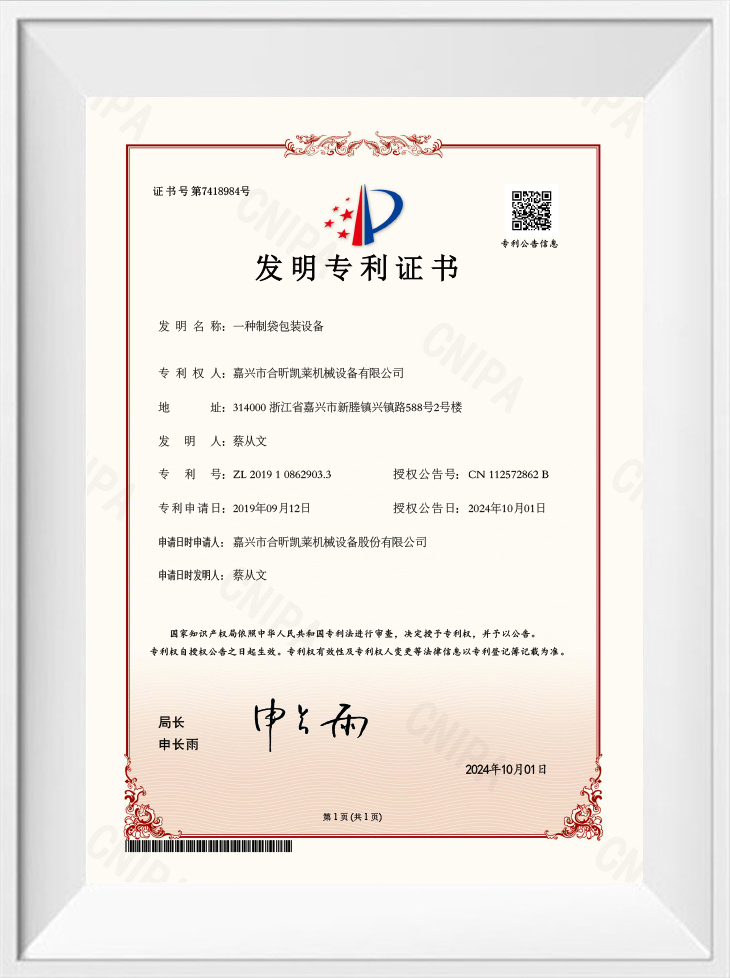
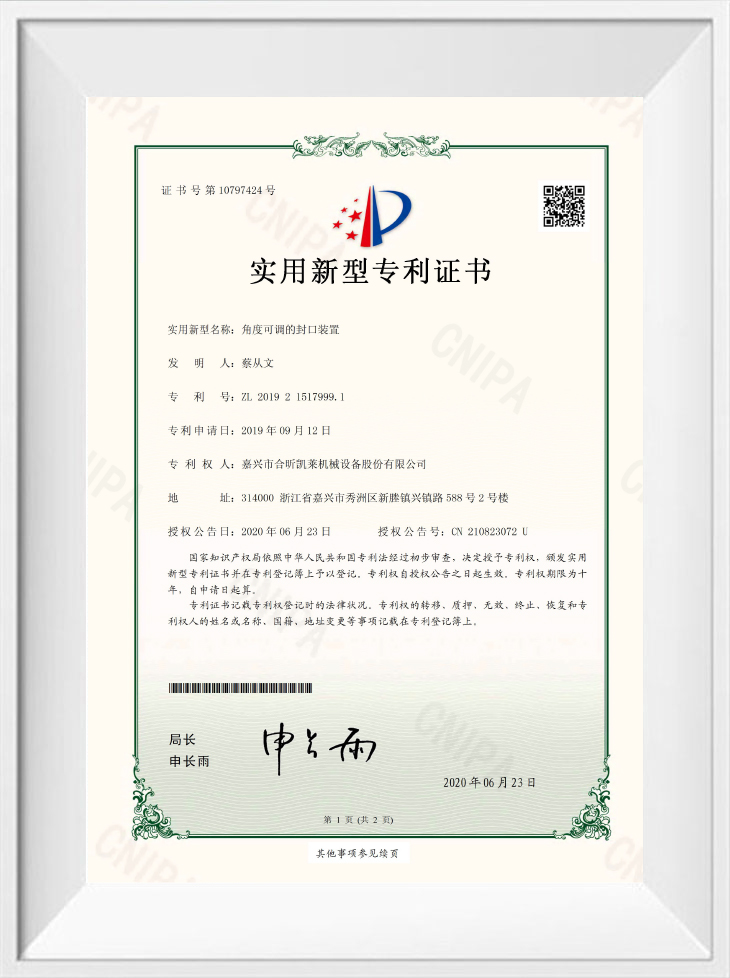
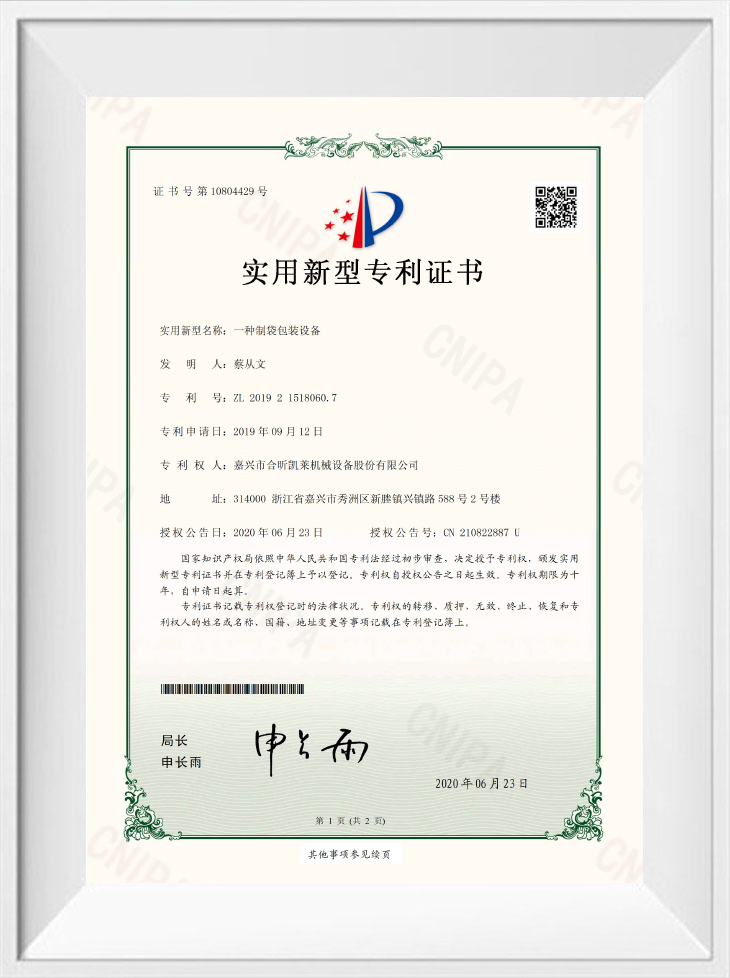
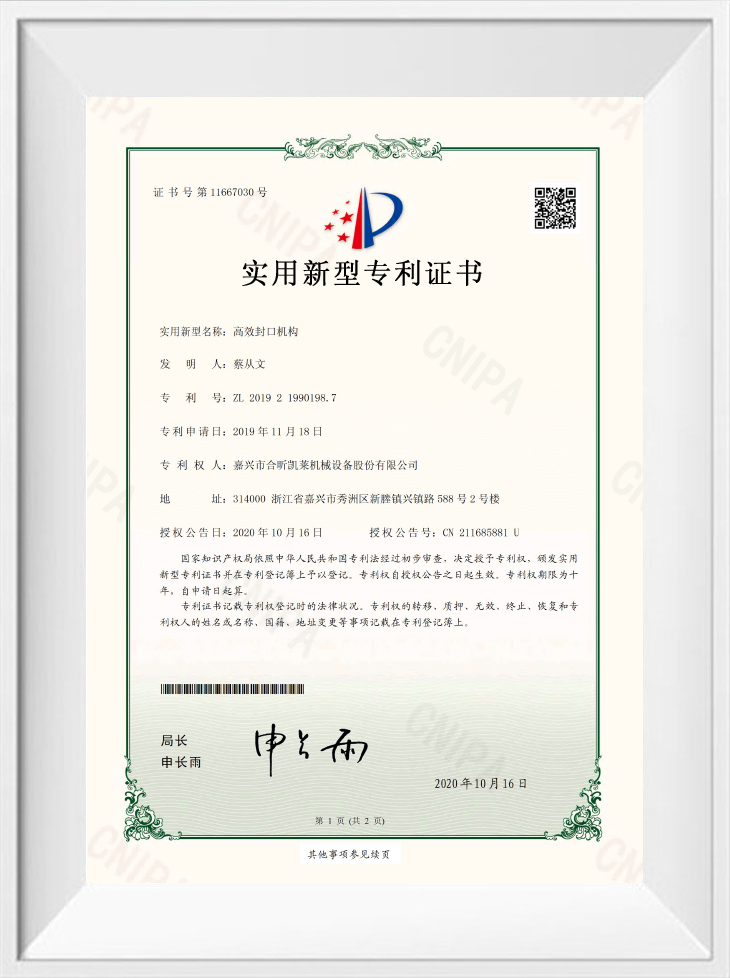
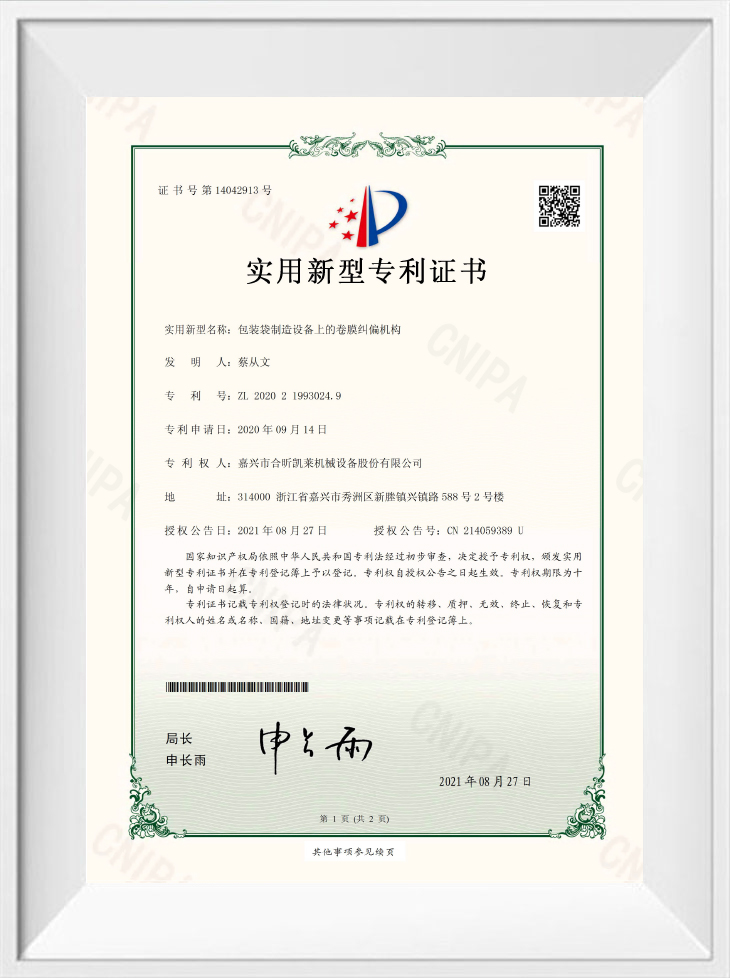
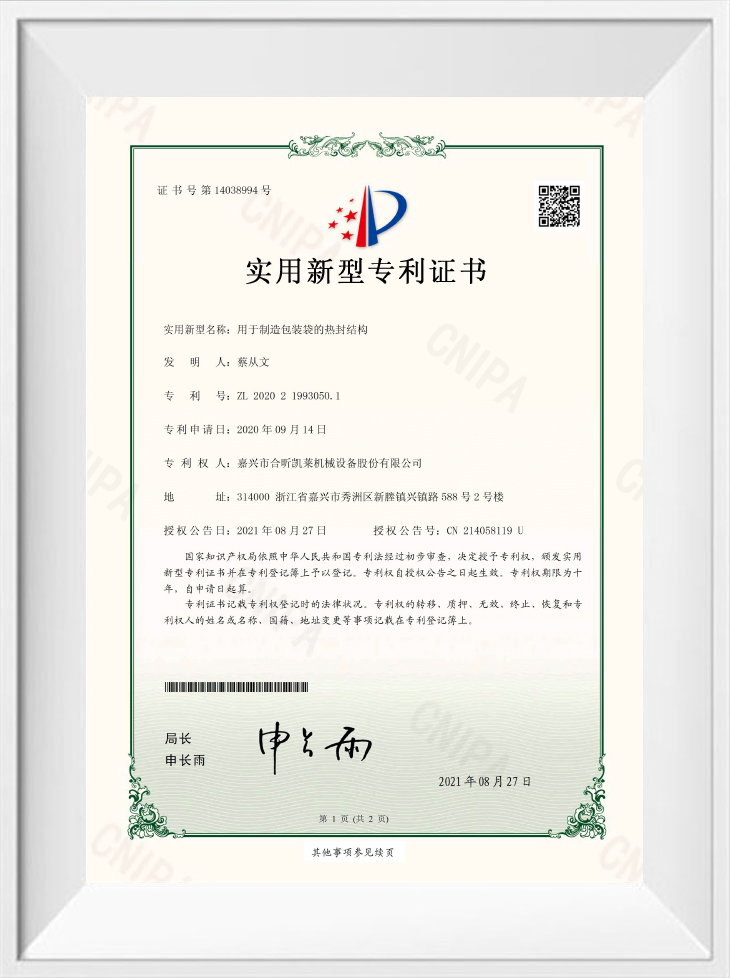
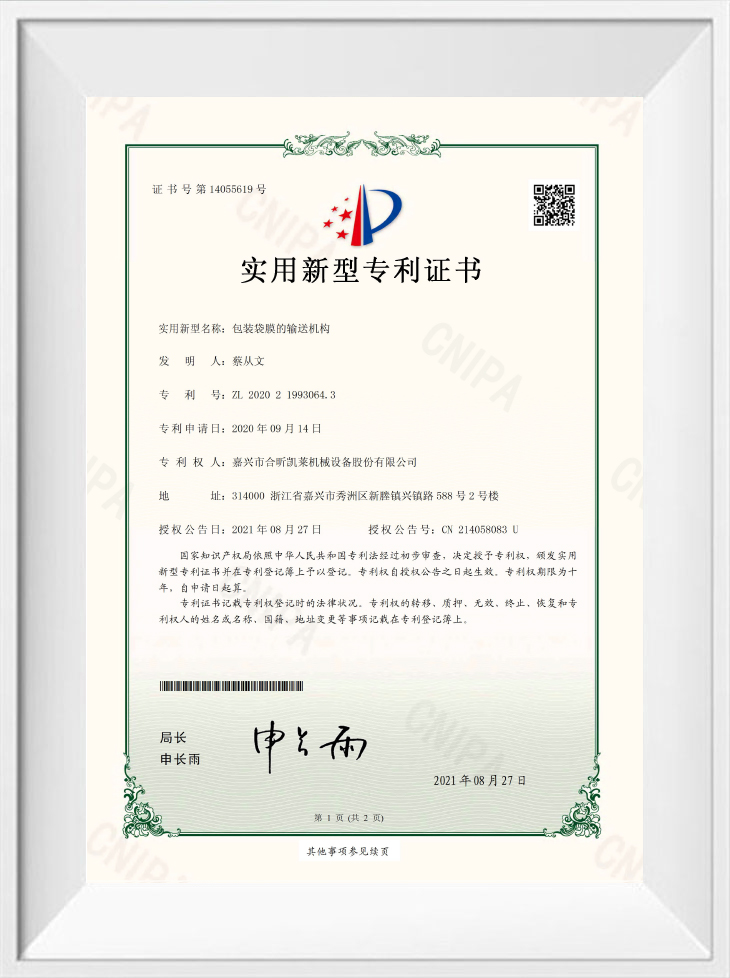
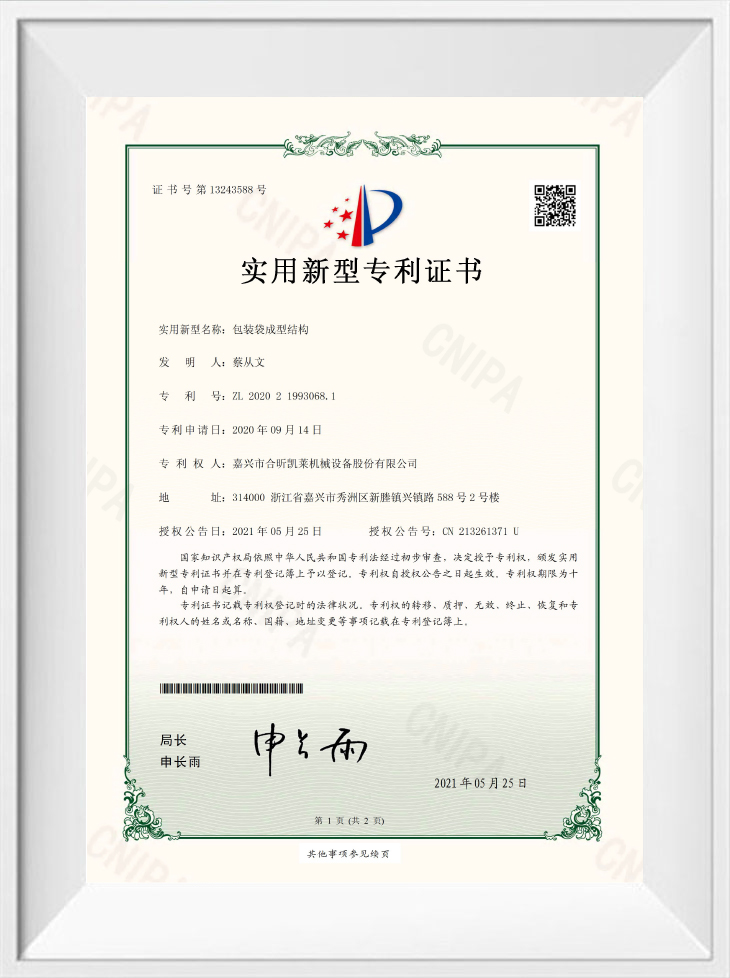
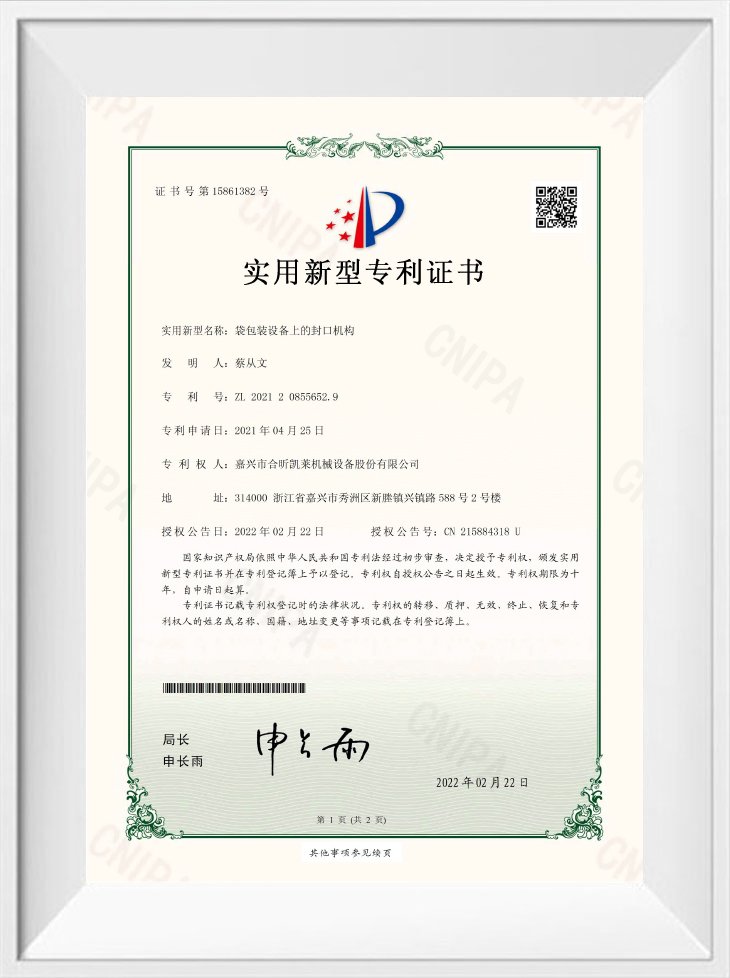
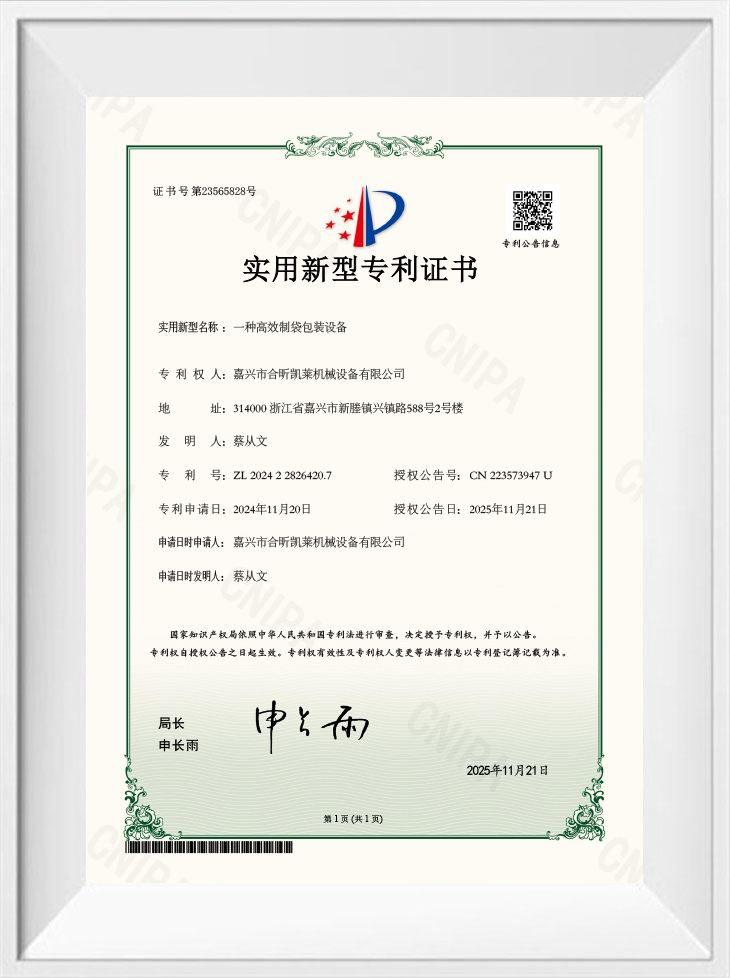
The company's certification records include CE test draft documentation, an invention patent and multiple utility model patents covering our packaging and inspection related designs. These support the design and manufacturing approach used across our checking equipment range.
We provide the machine with operating documentation, product recipe instructions, rejection system drawings and spare part lists. The after-sales team supports remote troubleshooting and spare parts, and can schedule commissioning support as part of the project plan.
Frequently Asked Questions
What is the difference between a conveyor metal detector and a throat metal detector?
Conveyor models check packed or unpacked product on a belt. A throat metal detector checks powder or granules as they fall freely through a pipe, normally between the weigher and the bag former. Choose throat detection when the contaminant risk is in bulk material; choose belt detection when the risk is in the completed pack.
Which model is right for my product?
The ER3515 suits moderate packs, the ER3525 gives more height clearance for taller pouches, and the ER4515 covers wide belts or higher throughput. We confirm the match after we know pack dimensions, line speed and reject layout.
What sensitivity can we expect?
At machine level the series detects iron ≥0.8 mm, non-ferrous ≥1.2 mm and stainless steel ≥1.5 mm. Production sensitivity changes with aperture, product effect and speed, so we set the threshold using actual product information before delivery.
How do we integrate the detector with an existing line?
The detector is supplied with conveyor height, belt width and signal interface matched to the line. We can connect start/stop, speed and reject confirm signals to the existing control system. If you are building a new line, we size the detector together with the packaging machine and checkweigher.
Can we order a custom or OEM configuration?
Yes. We build the detector around your line parameters, including belt width, reject mechanism, height, HMI settings and product recipe set. Customisation is handled by our own engineering and manufacturing team, so the machine does not become a collection of third-party parts.

 English
 中文简体
 Español
 русский