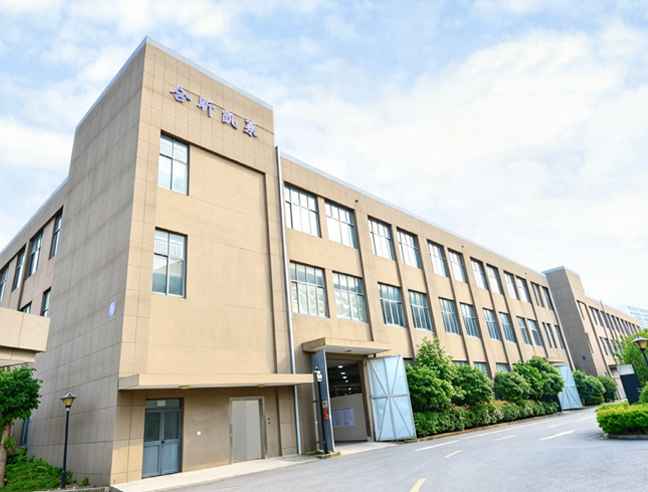
Jiaxing K-Line Machinery Co., Ltd. is the Semi-automatic Packaging Machine Manufacturer behind this cost-effective series for small and medium-sized production lines. We build the machines in our China factory using the same structural quality and control logic as our fully automatic lines, with manual loading or operator-assisted operation at one or more stations.
This series suits producers that need flexible packaging without committing to full automation: lower bag-change complexity, simpler commissioning, and low maintenance cost. Because we make the packaging machine and the upstream weighing, dosing and conveying equipment, we can provide a semi-automatic station as a standalone unit or as part of a future automated line.
What the Semi-automatic Range Covers
Our semi-automatic machines are configured around the operator and the product instead of a fixed model list. Typical scope includes:
- Operator-assisted filling and sealing — manual or gravity-fed product placement with foot-pedal or push-button sealing.
- Weight-guided bagging — machine interface with a linear weigher or volumetric cup for portion control without a full automatic bagger.
- Auger or screw dosing — screw weigher feeds powder into an opened bag while the operator positions and seals it.
- Downstream accessories — output conveyors, rotary tables, coding machines or sealing stations to complete the packing area.
Where Each Configuration Fits
| Configuration |
Typical Operation |
Best Fit |
| Manual fill plus sealing |
Product is loaded by hand; sealing is triggered by foot or button. |
Low-volume dry goods, spare parts, hardware, small bags. |
| Weighing-guided bagging |
A Weighing & Dosing Equipment unit controls portion size before the operator places the bag. |
Granules, rice, seeds, nuts, snacks where accuracy matters. |
| Auger/screw powder filling |
Powder is dosed into a pre-opened bag; operator handles bag positioning and sealing. |
Powdered chemicals, seasonings, milk powder, fine materials. |
| Semi-automatic line |
The machine works with an output conveyor, rotary table or coding machine for batch production. |
Multi-product plants that change formats regularly. |
Engineering and Configuration Approach
We configure the machine around the bag type, product characteristics and target output. The frame and contact parts can be selected for food or chemical duty, the sealing system is matched to film type, and the PLC is programmed for the production sequence, sealing temperature and batch counting.
Inside our Packaging Equipment range, this series sits between fully automatic vertical baggers and automatic premade pouch machines, giving plants a lower-cost starting point that can later be upgraded.
Process and Application Fit
The series is used across dry food, agricultural and industrial products. We match the feeder, sealing unit and machine frame to the material so the operator station runs smoothly rather than forcing one standard machine into every job.
- Confectionery, puffed snacks, biscuits and nuts
- Powders, seasonings and granular ingredients
- Frozen food and agricultural sideline products
- Chemical materials and hardware products
Controls, Safety and Automation Integration
Semi-automatic machines use PLC-based control for seal time, temperature and production count. For future upgrading, we can prepare the electrical interfaces used by an automatic bagger so the same station can later accept an elevator, weigher and film unwinding system.
Safety is addressed through guarding around moving parts, emergency stop and clear operator positioning. We confirm the local voltage, compressed-air supply and operator layout before finalizing the configuration.
Quality Assurance and Acceptance Testing
R&D, design and manufacturing are supervised by senior technical staff. Before shipment we run mechanical checks, test sealing and adjustment functions, and confirm the electrical system against the agreed specification.
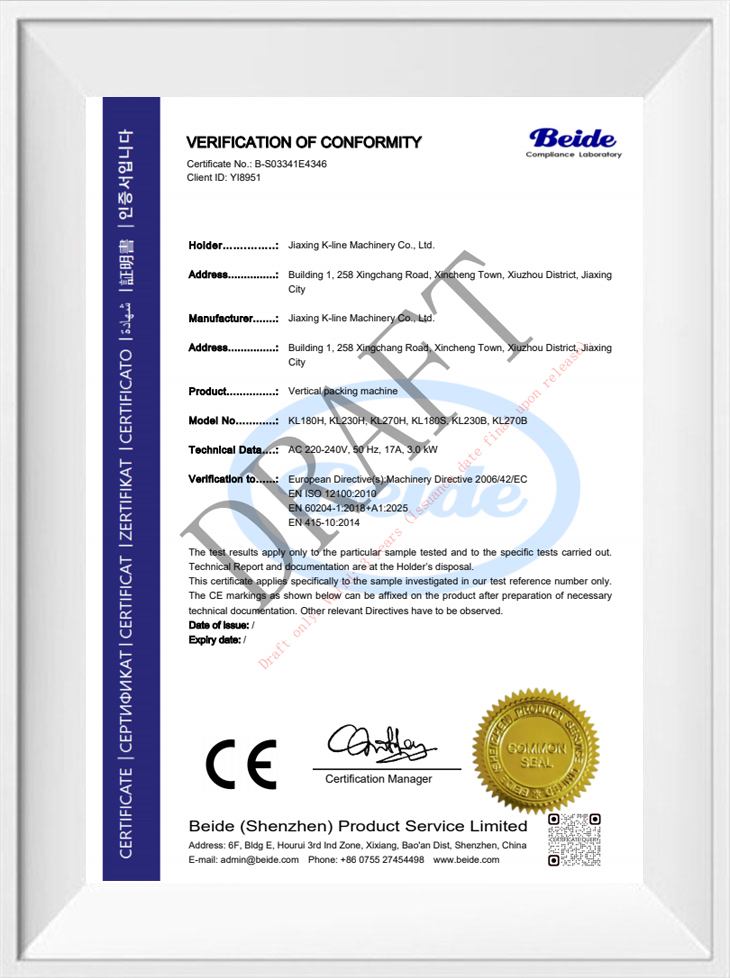
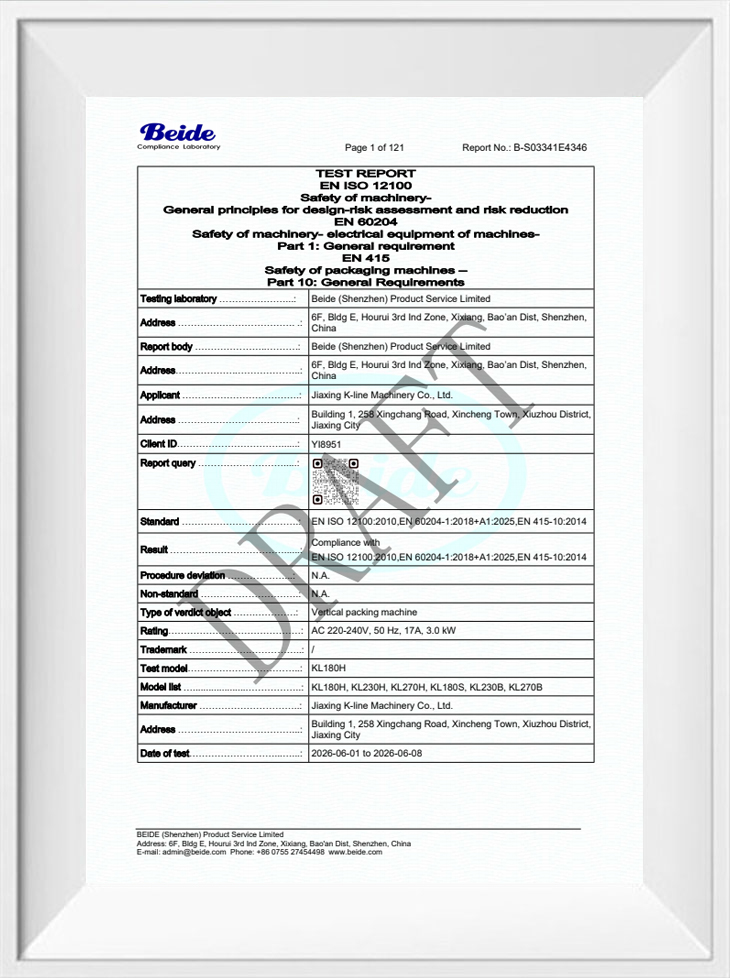
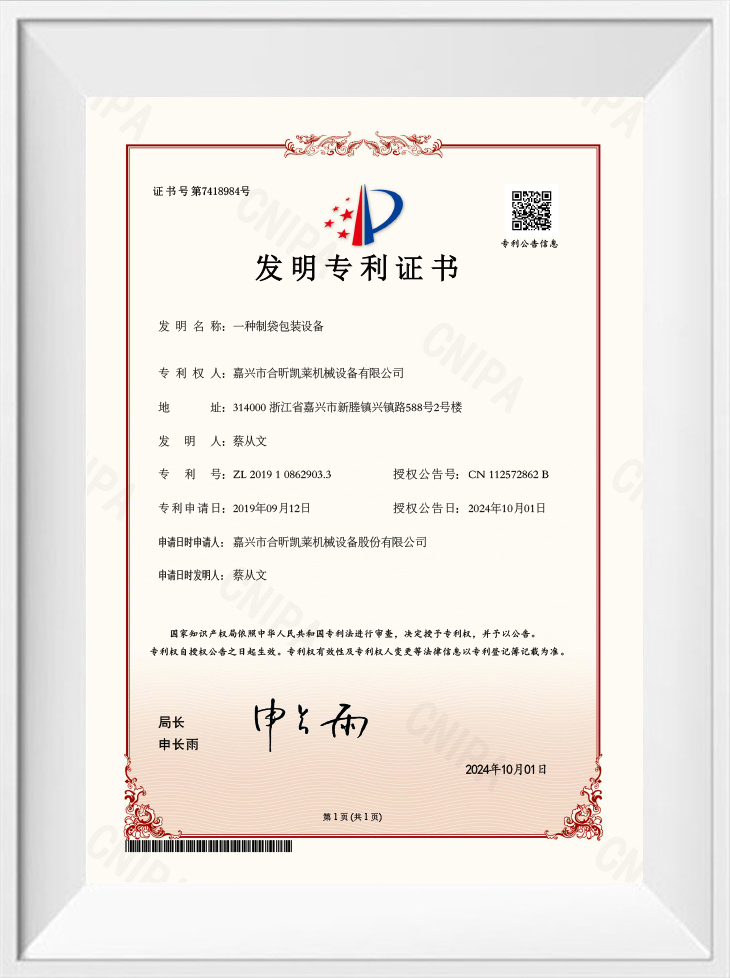
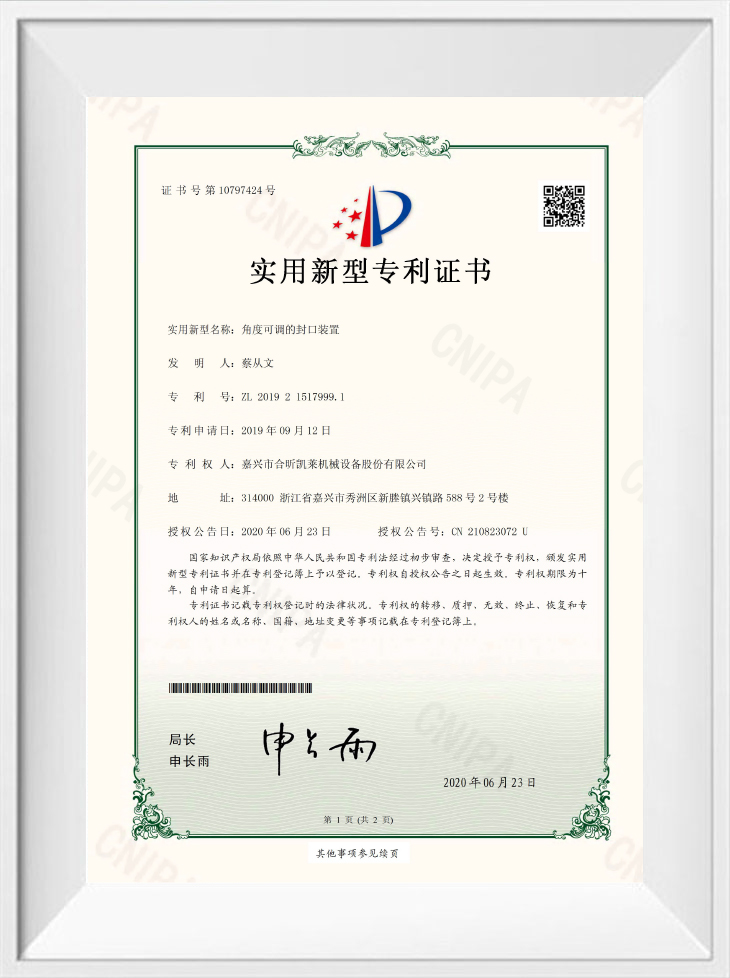
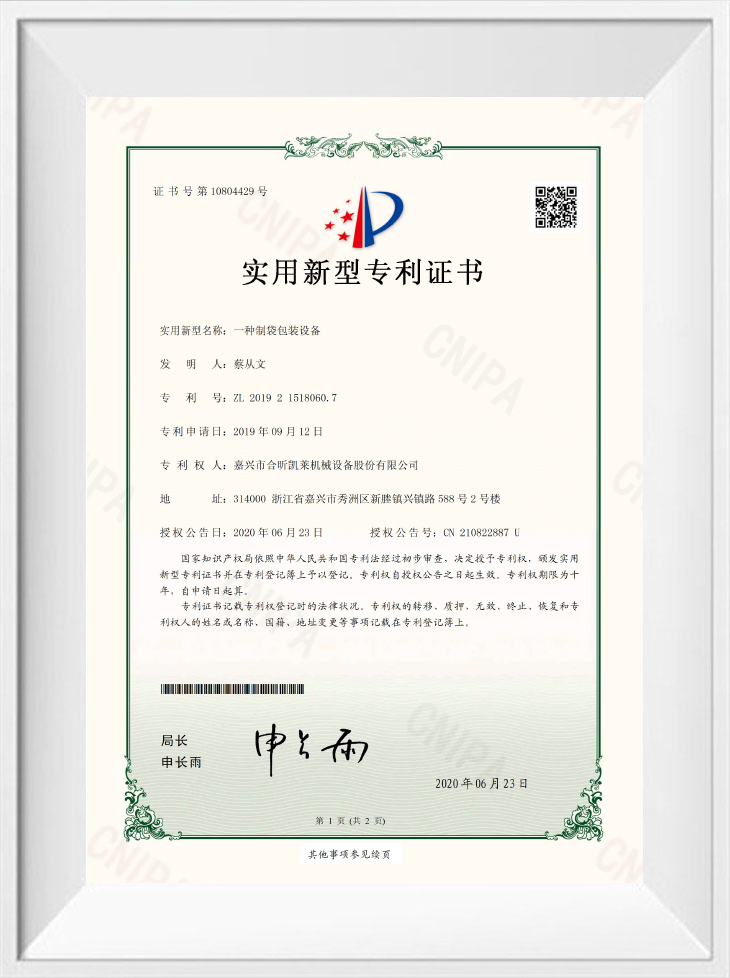
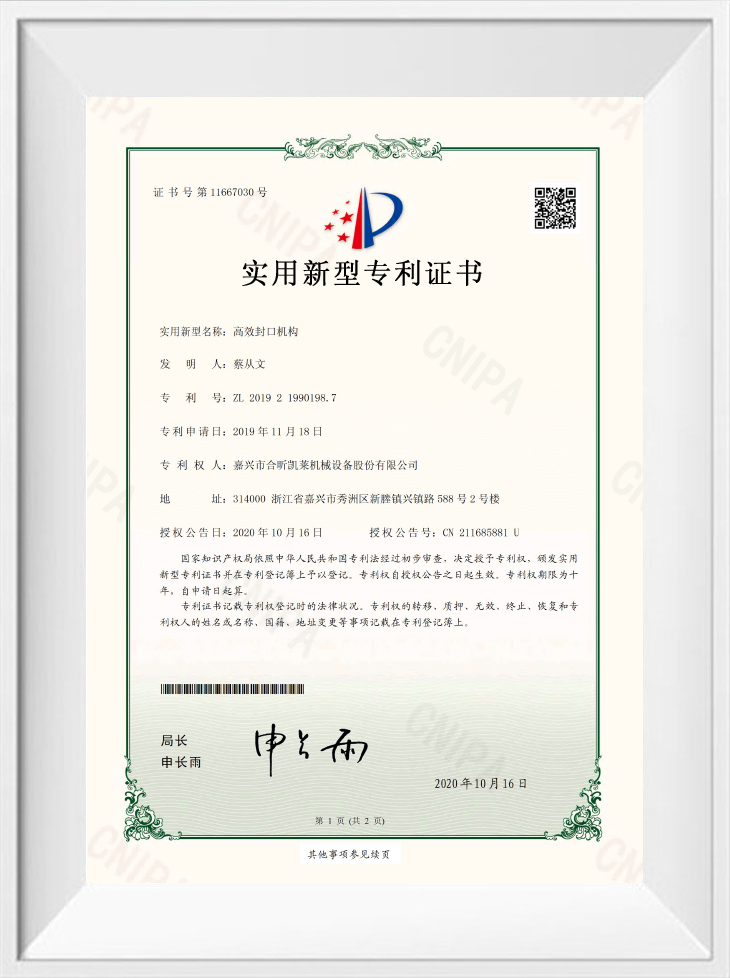
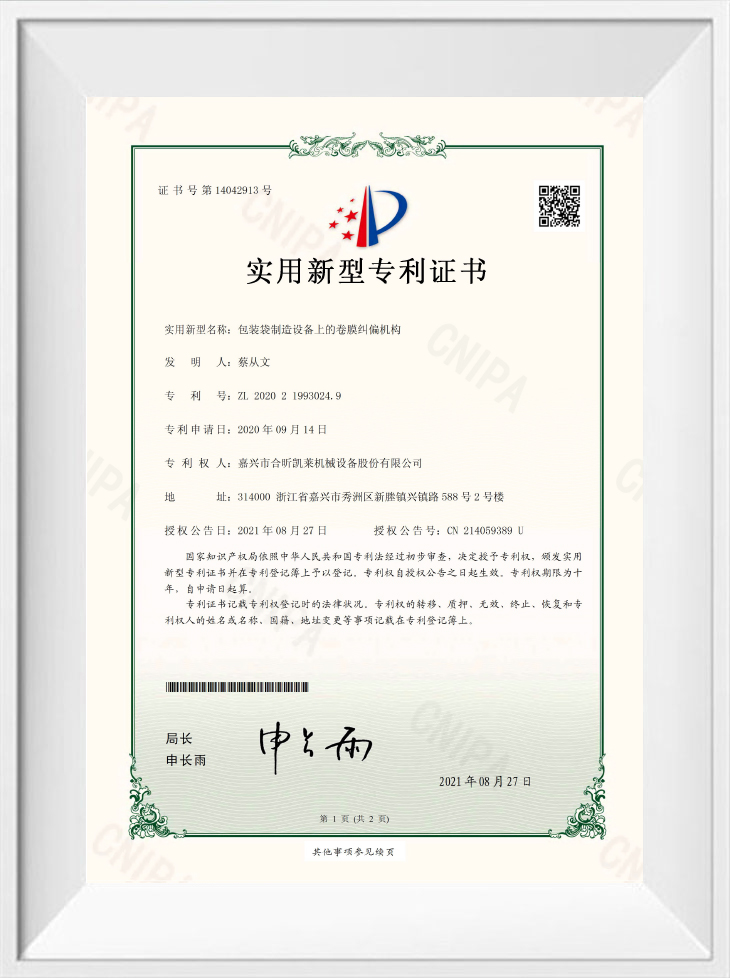
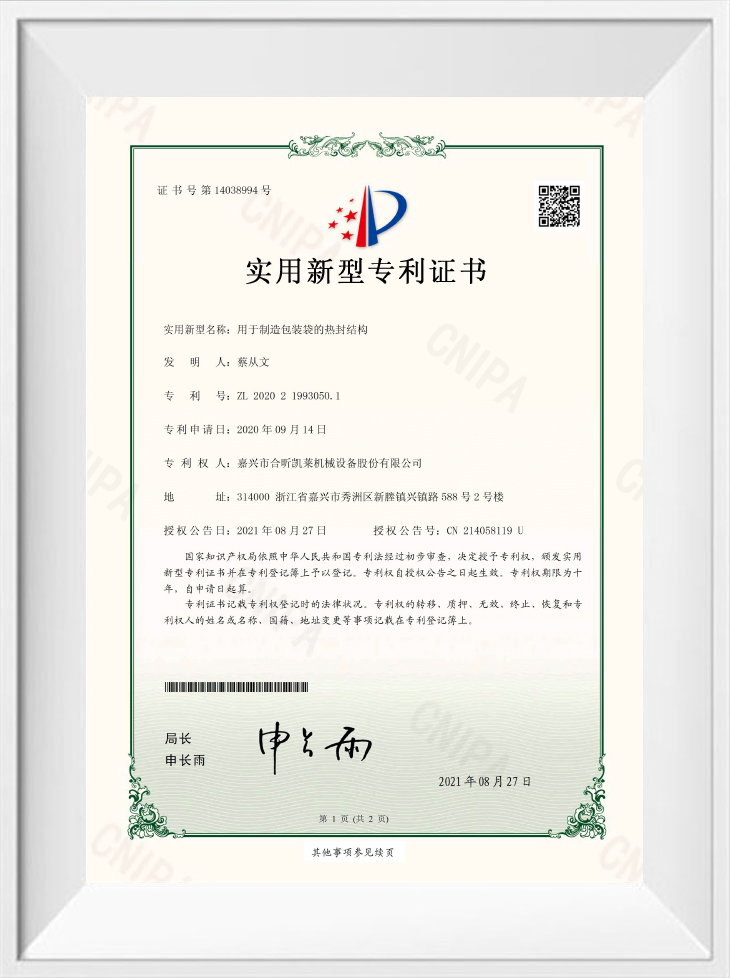
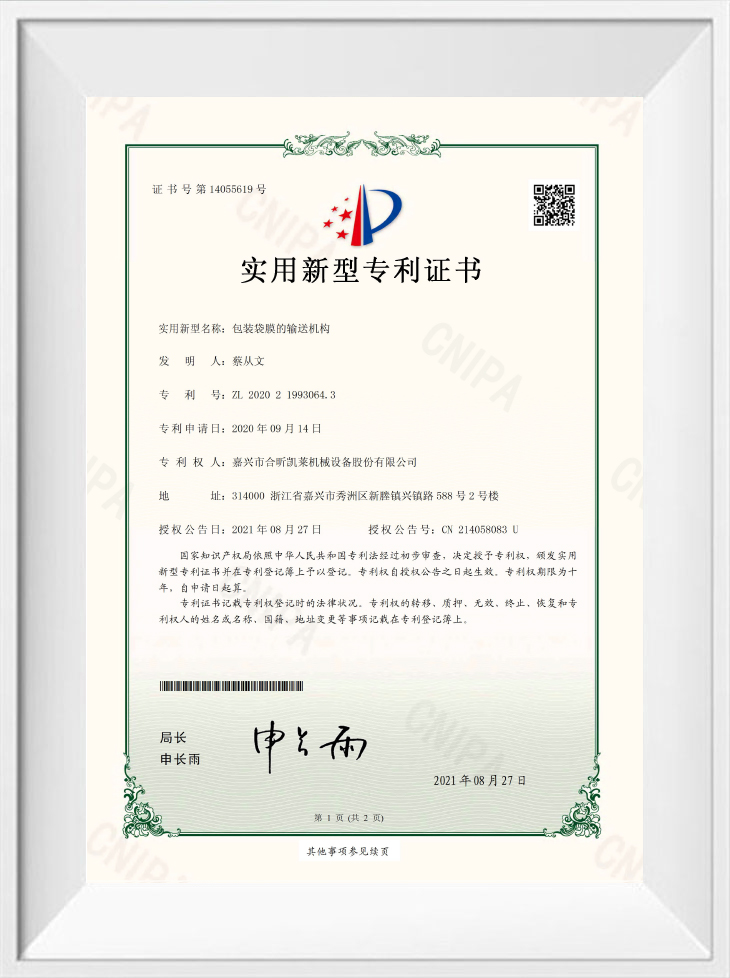
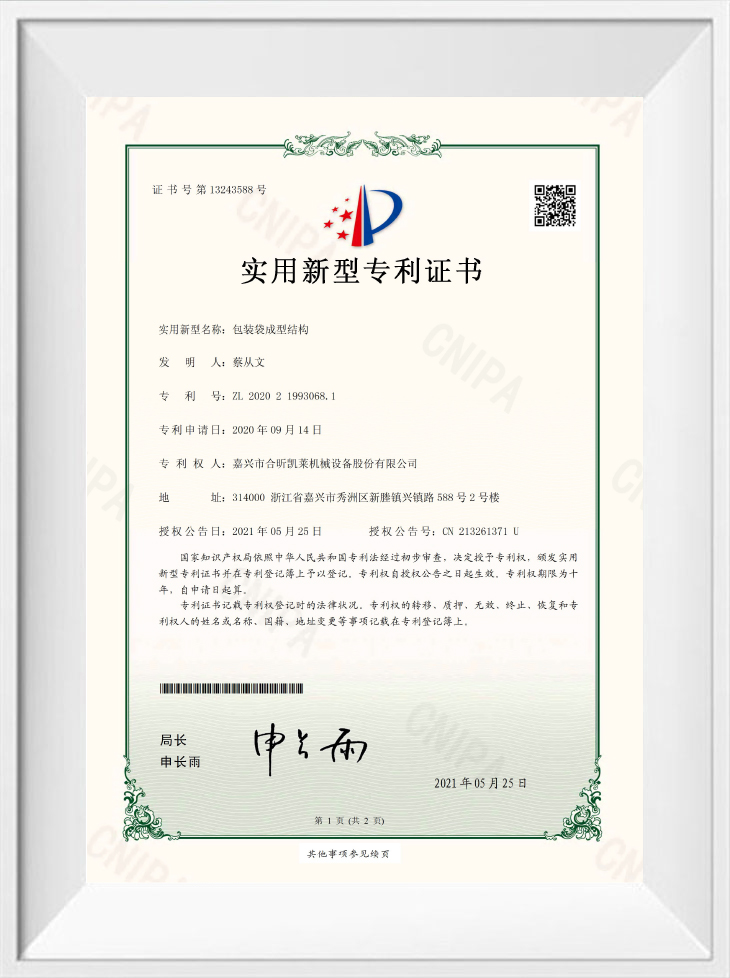
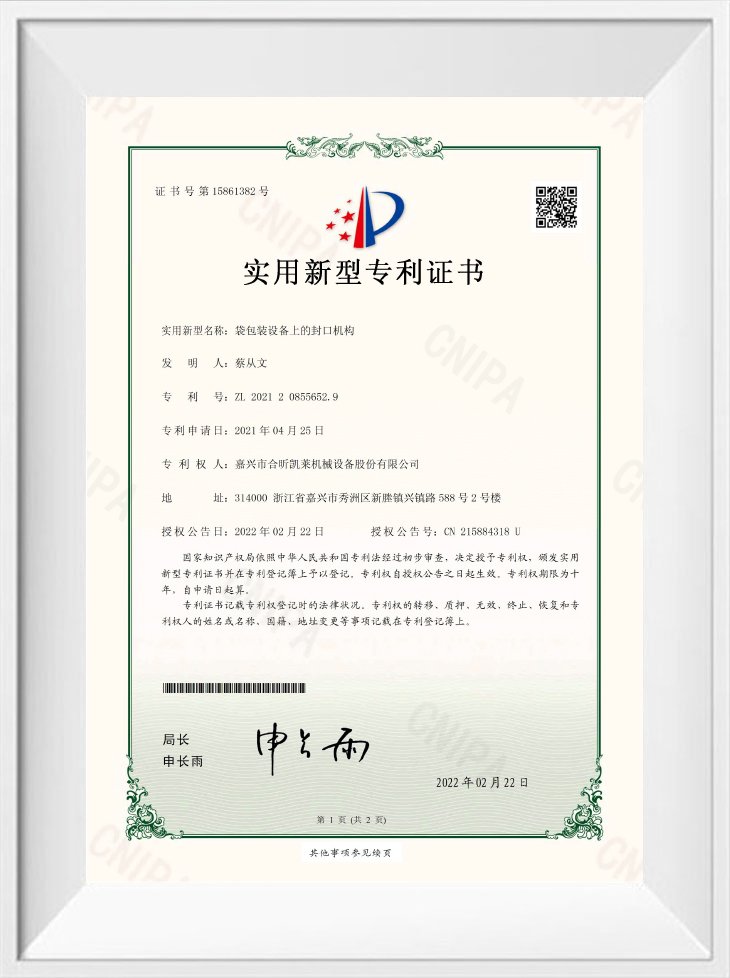
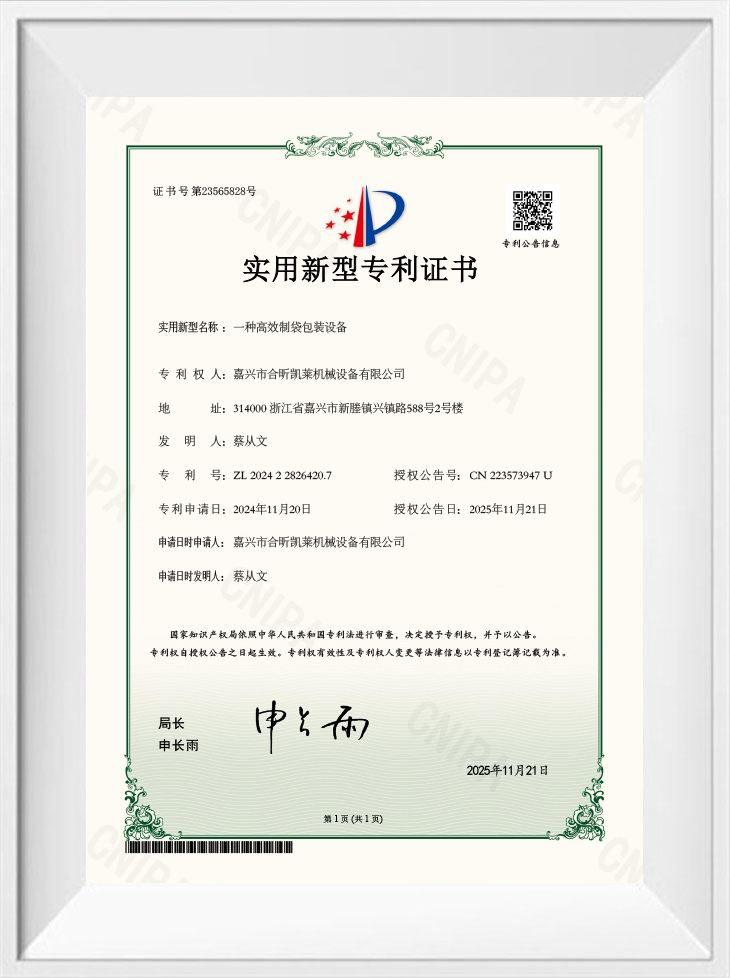
Our certification folder includes CE test draft reports and invention and utility model patents for machine design. We share relevant compliance documents during project review and can provide video testing before dispatch.
Information We Use to Configure Your Solution
To prepare a proposal, our engineers need the working point rather than just a machine name. The table below is the usual project-input set.
| Project Data |
Why It Affects the Configuration |
| Product type, particle size and bulk density |
Sets the feeder: linear weigher, volumetric cup, screw weigher or manual fill. |
| Bag size, film material and seal type |
Determines sealing width, temperature range and bag holder dimensions. |
| Target output per shift and operator count |
Defines whether one station is enough and which auxiliary equipment is needed. |
| Existing line layout and utilities |
Confirms machine height, conveyor direction, voltage and compressed-air supply. |
| Future automation target |
Allows us to leave interfaces for an automatic bagger, elevator and checkweigher. |
Documentation, Training and After-Sales
Each machine is supplied with operation and maintenance documentation, and our team supports commissioning remotely or on site as agreed. The service system covers spare parts, fault diagnosis and follow-up support for the life of the line.
Frequently Asked Questions
1. What is the difference between a semi-automatic and a fully automatic packaging machine?
With a semi-automatic machine, the operator positions or removes the bag while the machine controls filling, dosing and sealing. A fully automatic machine handles bag forming, filling and sealing without direct operator action. Our Vertical Packaging Machine series is the fully automatic option when volume and labor cost justify it.
2. Can a semi-automatic packaging machine handle powder products?
Yes, when configured with a screw weigher or auger dosing unit. The powder is dosed into an opened bag and the operator completes sealing. We match the contact parts and sealing system to the material.
3. Can the machine be integrated with our existing weighing system?
We can integrate with many third-party scales and dosing units through digital I/O signals. Send the equipment type, signal interface and product details, and our engineers will confirm compatibility in the proposal.
4. What information do you need for a quotation?
We need the product, fill weight, bag dimensions, film type, target bags per minute or shift, available operator count, voltage, and the plant layout. With those data we can propose a machine and auxiliary equipment list.
5. Is this series suitable for future full automation?
If the eventual plan is a fully automatic line, we can configure the semi-automatic machine with the electrical interfaces and frame options needed to add an elevator, automatic weigher and bagger later. The proposal will show which upgrade points are included.

 English
 中文简体
 Español
 русский