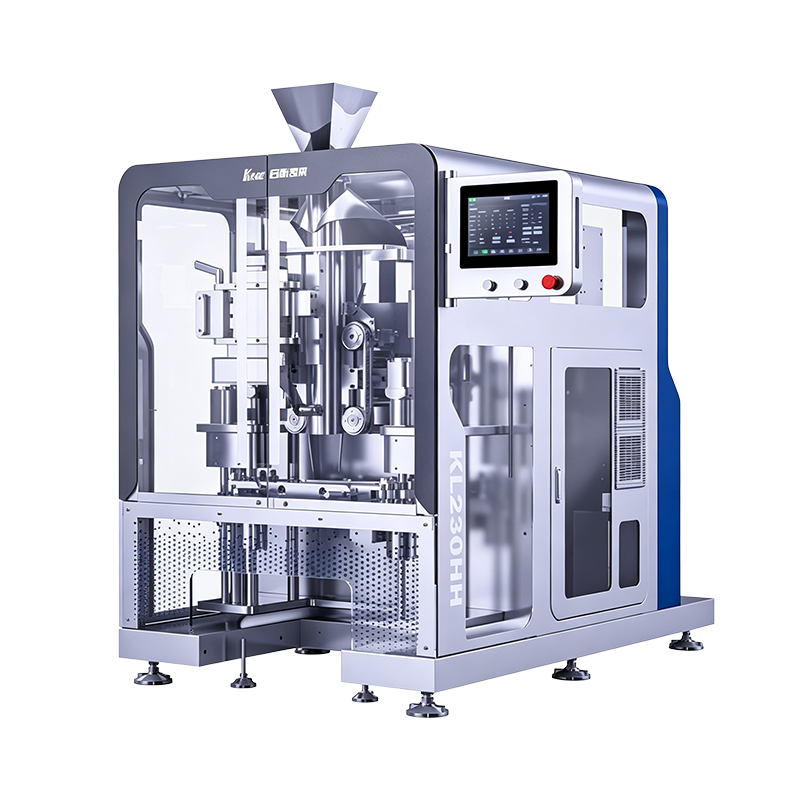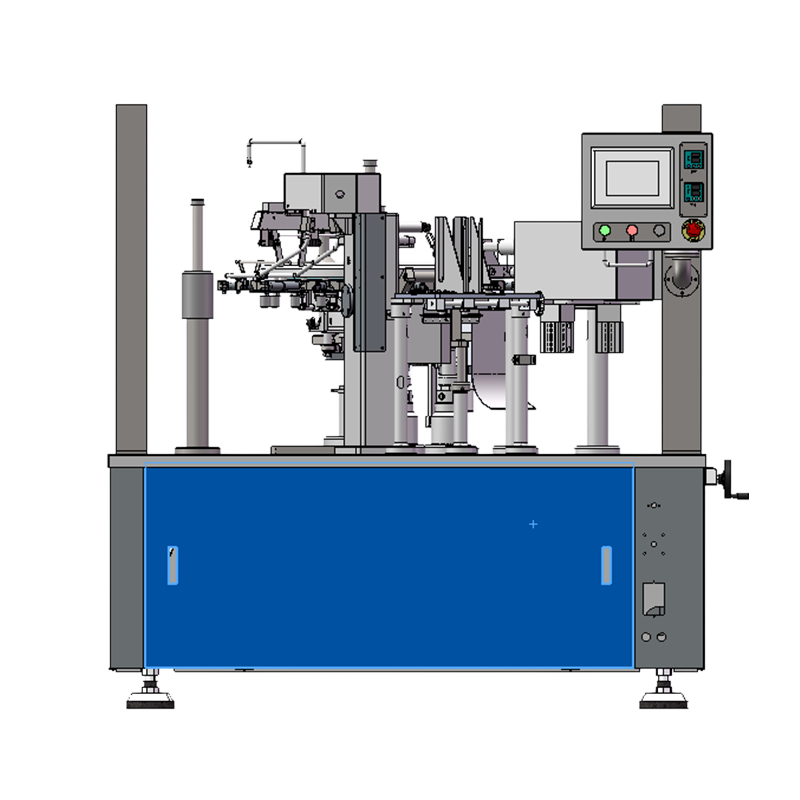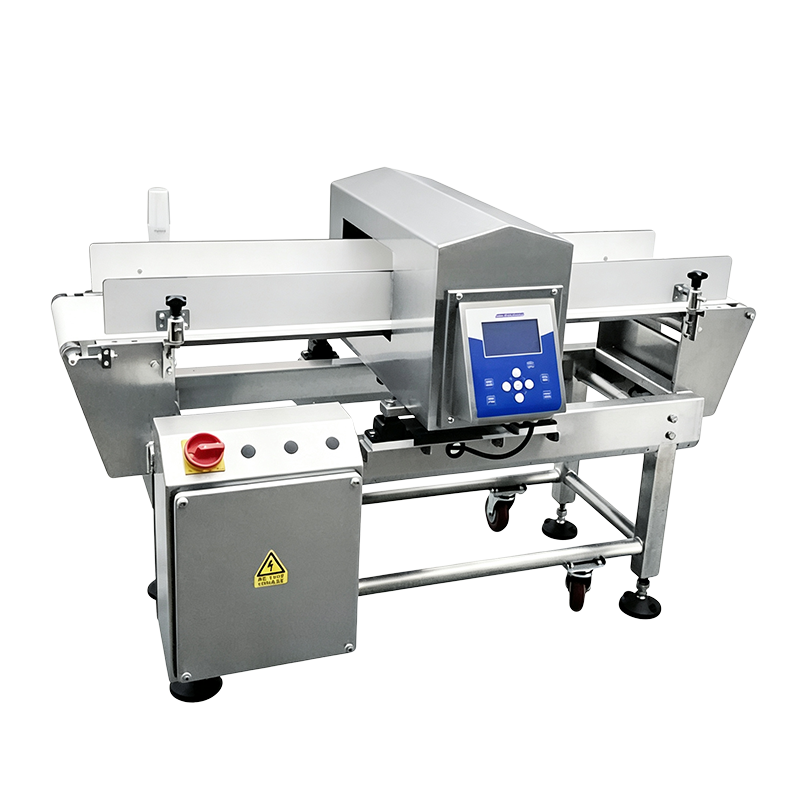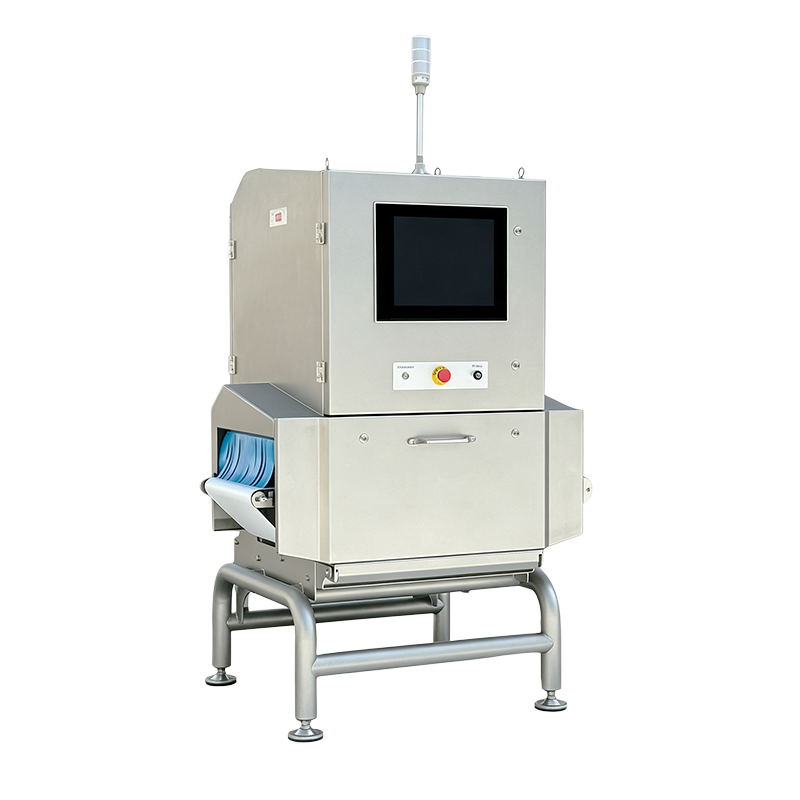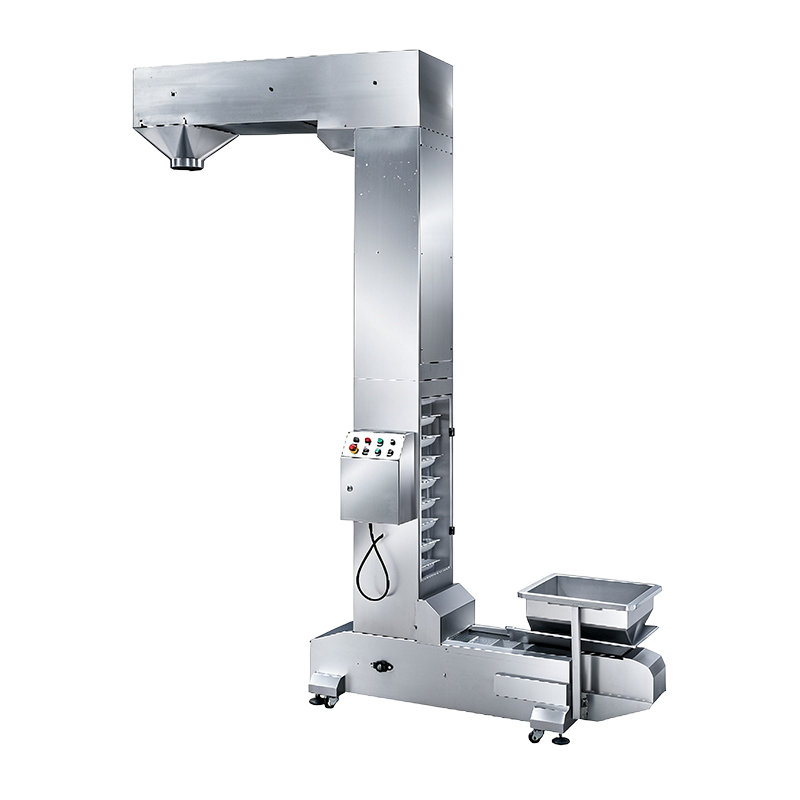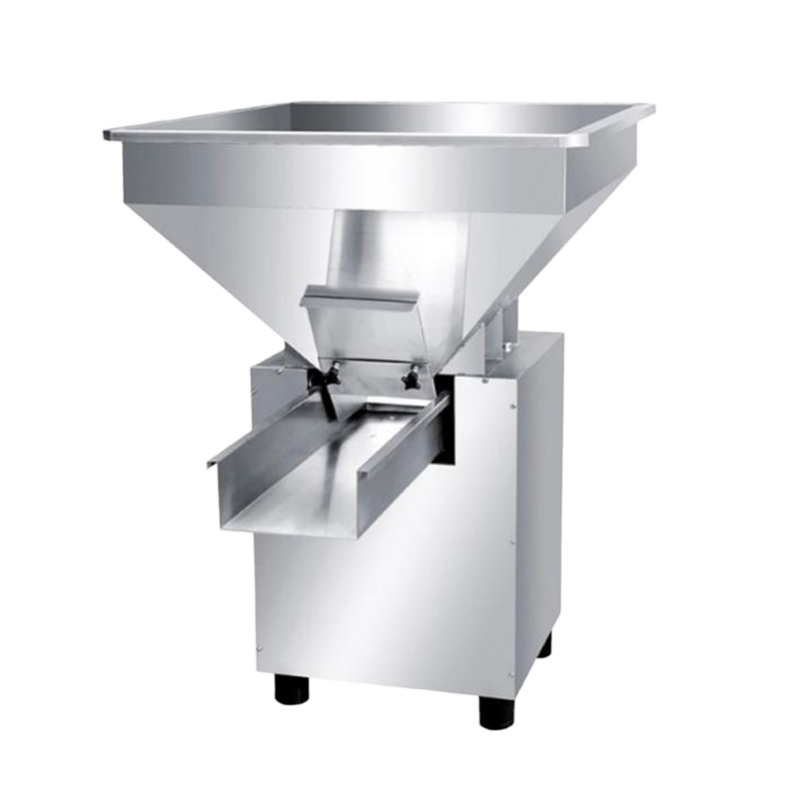
With the continuous promotion of the transformation and upgrading of the manufacturing industry, the rise in labor costs, and the increasing requirements for production standardization, the automation transformation of the packaging process has become an important lever for many production enterprises to reduce costs and increase efficiency. Fully automatic packaging machinery, with its integrated operation capability, effectively liberates labor and significantly improves the overall efficiency of production lines. It is widely applied in various industries such as food, daily chemical, hardware, and building materials.
The traditional packaging process highly relies on manual labor, with multiple positions such as feeding, bagging, sealing, labeling, and output requiring a large number of operators to work in shifts. Manual operation not only has high labor intensity but is also easily affected by personnel status, resulting in unstable packaging speed, poor consistency of finished products, and high material loss. Enterprises also face the practical pressure of difficult recruitment and high personnel turnover.
The fully automatic packaging machine integrates functional modules such as automatic feeding, quantitative measurement, bag making/loading, sealing, testing, and finished product transportation. The entire process does not require a large amount of manual intervention, and only a small number of personnel are needed to complete inspections and replenishment to maintain the operation of the entire line, greatly reducing the manpower allocation of positions and directly reducing the labor and management costs of enterprises. Compared to manual mode, the equipment can operate continuously and stably for a long time, with controllable packaging speed and measurement accuracy. The appearance of finished product packaging is uniform, and the defect rate is effectively controlled, helping factories break through the production capacity bottleneck in the packaging process.
According to feedback from multiple landing customers, after completing the automation transformation, the production capacity of the packaging section has been significantly released, and production data can be viewed in real-time. The equipment supports rapid switching between multiple specifications and can adapt to the production needs of enterprises in multiple categories. Some models can also be connected to front-end and back-end equipment to form a complete automated packaging assembly line, helping factories move towards less manpower and intelligent production.
As a manufacturer of automated packaging machinery, we continuously improve the stability and flexibility of our equipment, while also providing standardized models and non-standard customization services. We offer a complete set of packaging solutions tailored to the material characteristics and workshop conditions of different industries. The equipment attaches great importance to the post-operation and maintenance experience, with complete technical guidance and after-sales support, allowing enterprises to achieve production capacity improvement while reducing concerns about post use.
Industry trends show that the market demand for automated packaging equipment is still growing. In the future, enterprises will no longer solely pursue device speed, but will place greater emphasis on device stability, rapid changeover capability, and digital connectivity. Fully automatic packaging machinery will continue to assist more manufacturing enterprises in bidding farewell to heavy manual packaging and achieving multiple goals of improving quality, reducing costs, and increasing efficiency.

Contact Us
+86-573-82788180
Need E-mail
info@mainfill.com
About
Jiaxing K-Line Machinery Co., Ltd. is an automatic packaging machinery manufacturer and service provider serving the domestic high-end and overseas markets.
Links
Products
Get a Free Quote

 English