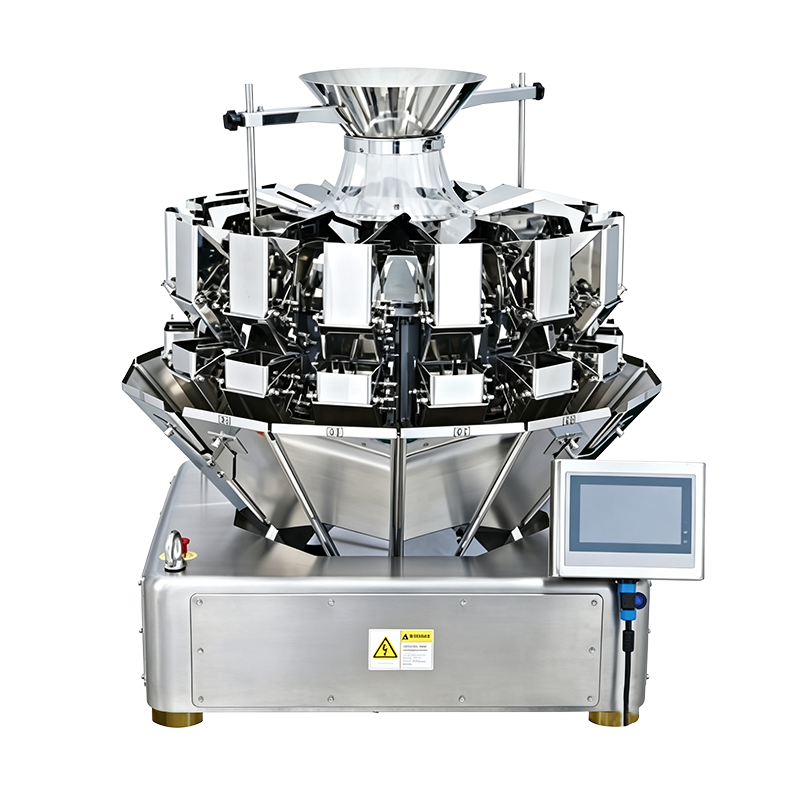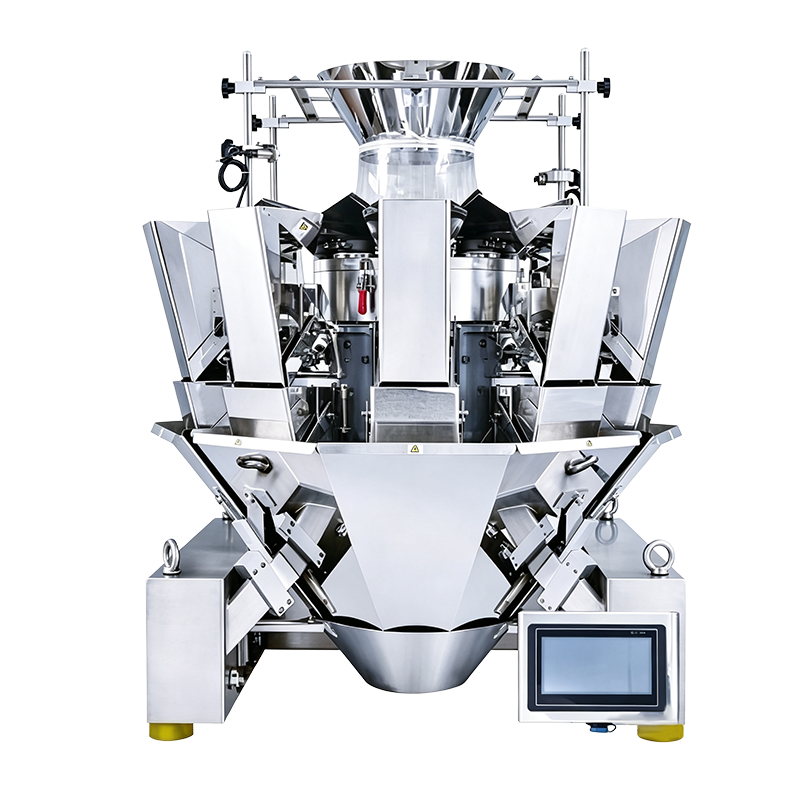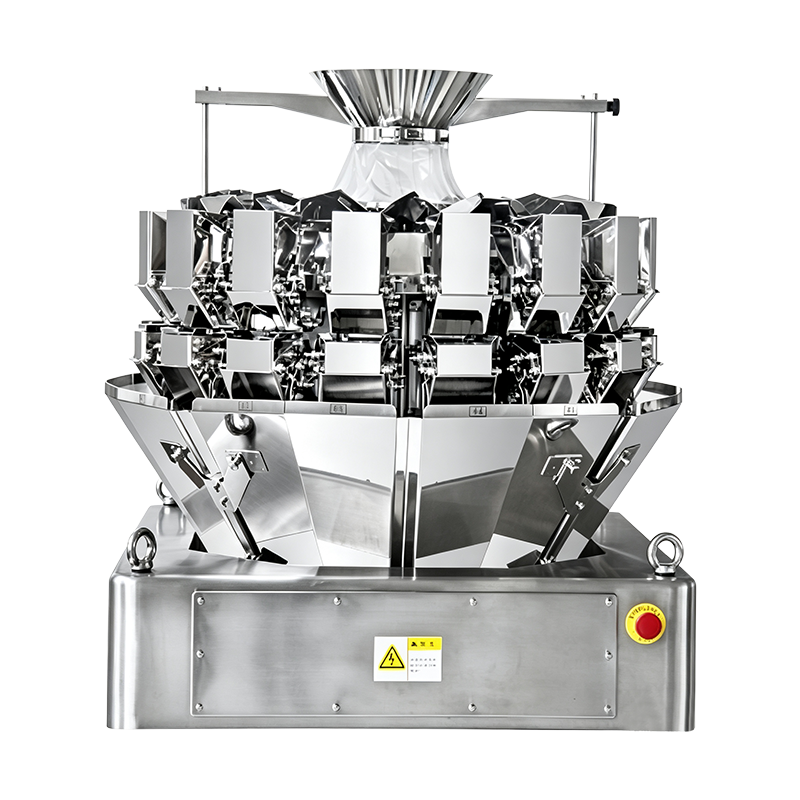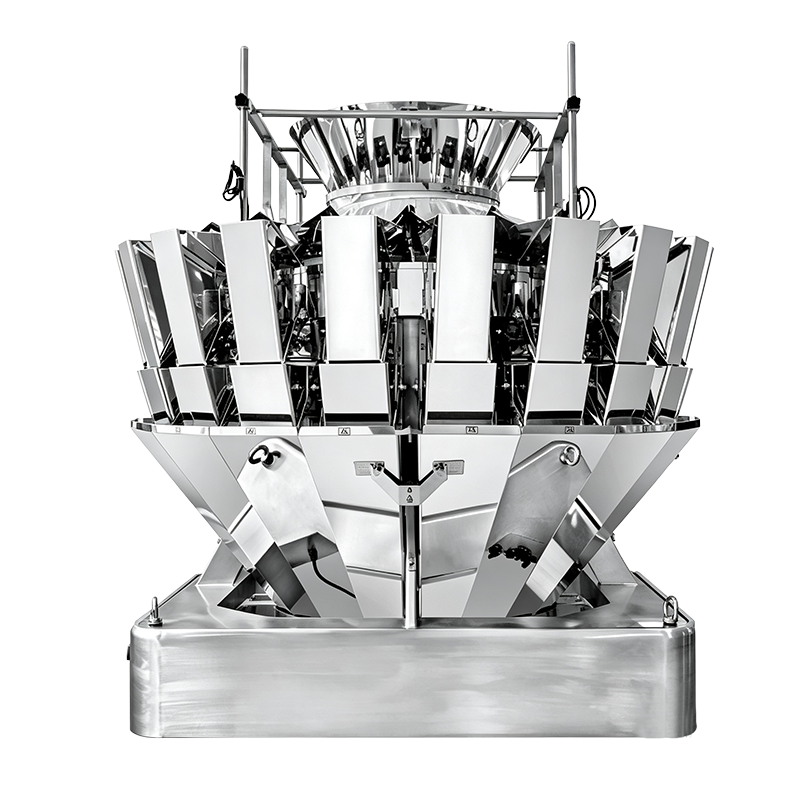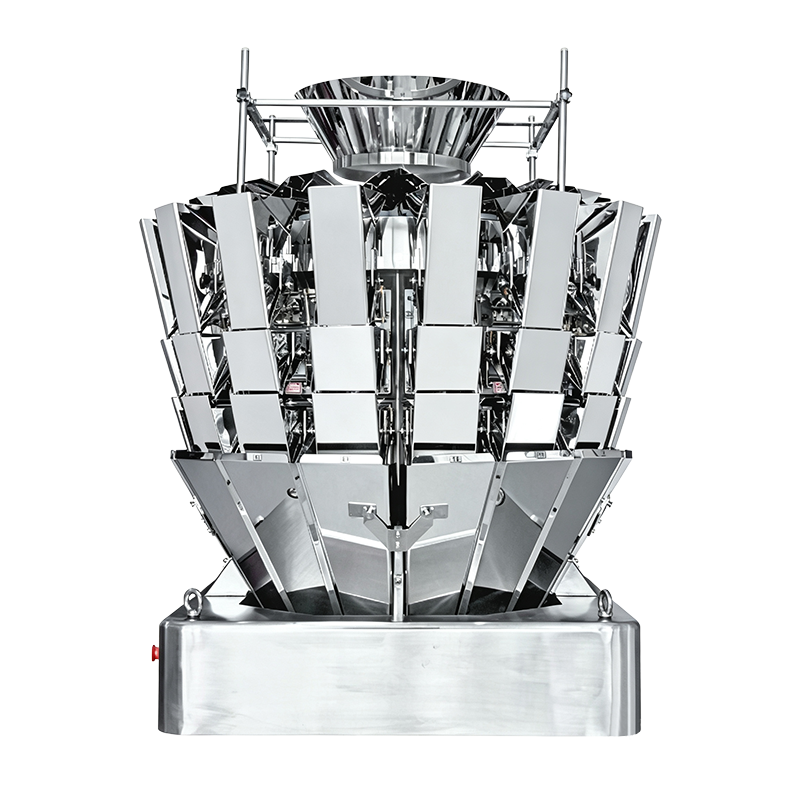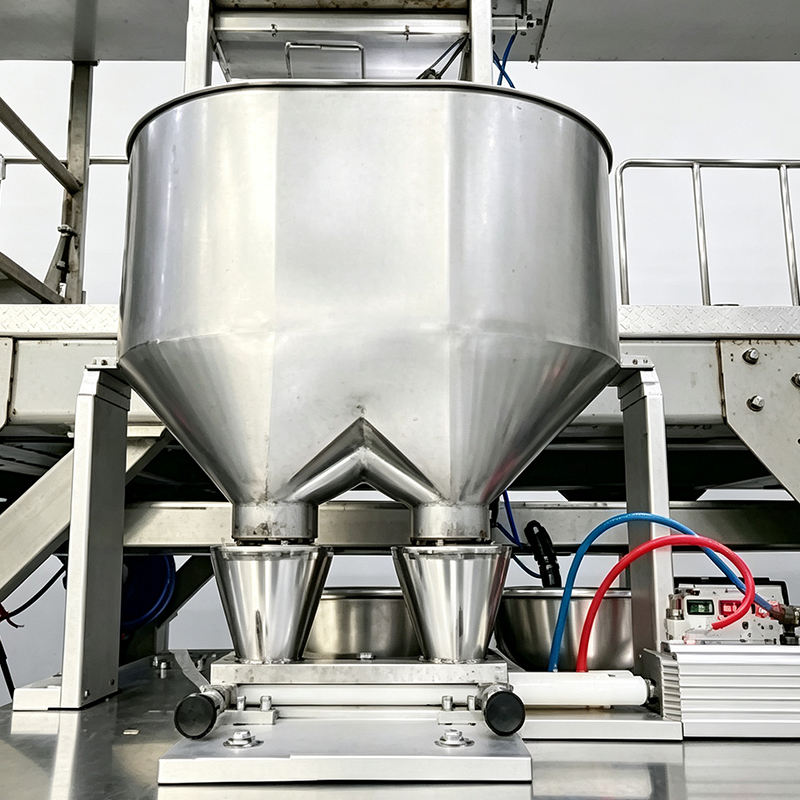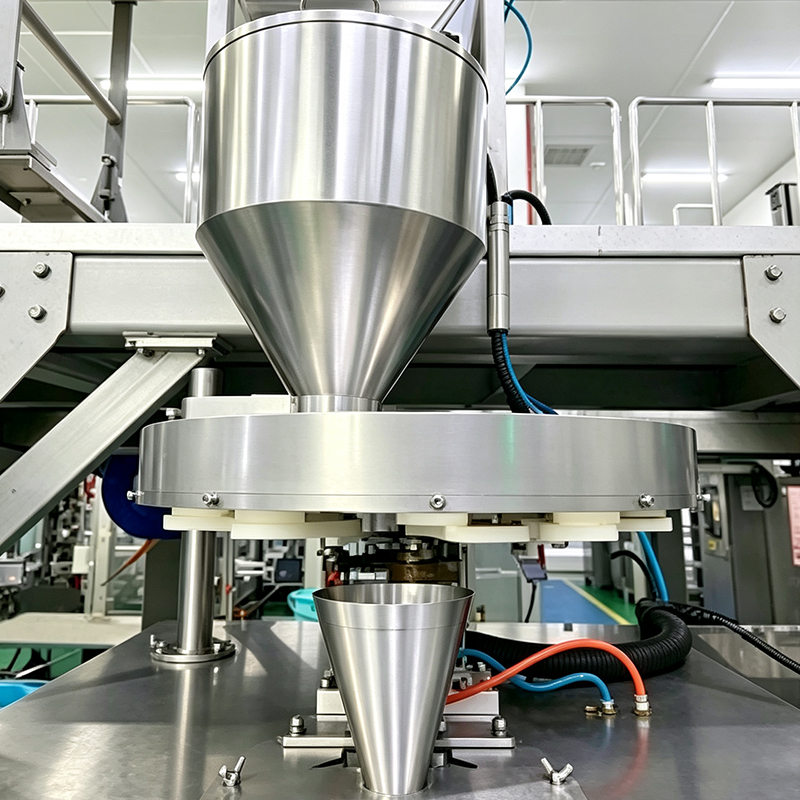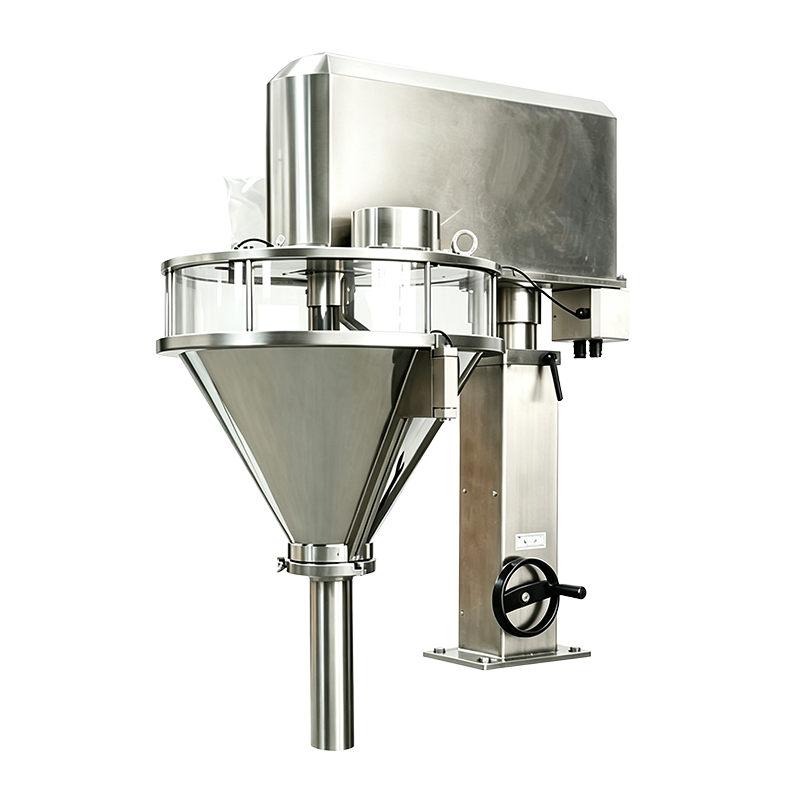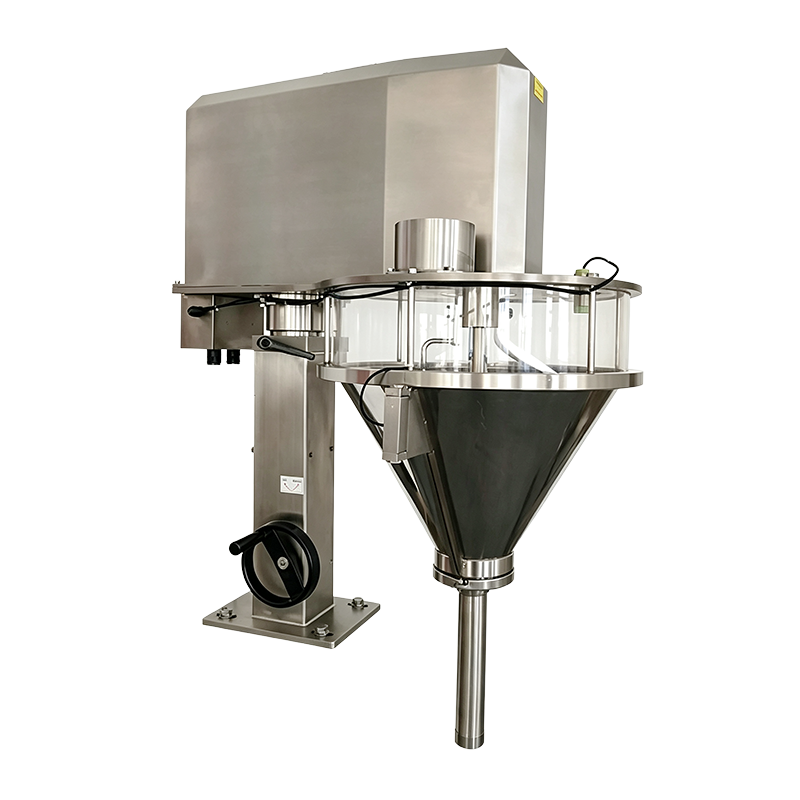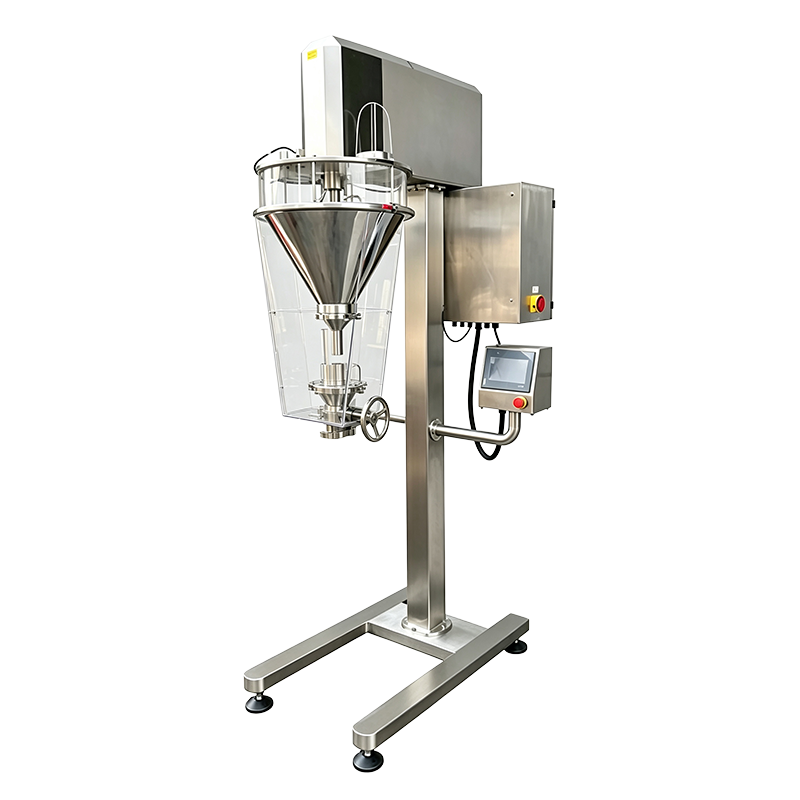
The right weighing equipment depends on the product. Choose a multi-head weigher for snacks, candy, nuts and frozen pieces. Choose a volumetric cup for uniform free-flowing granules when a simple setup is the priority. Choose a screw weigher, also called an auger filler, for powders. Consider a linear weigher for steady, medium speed jobs with few product changes. Whatever you select, ask a China weighing & dosing equipment manufacturer to test your own product before you decide.
Content
The short answer: describe the material, the target weight and the speed first, then match the weigher. Jiaxing K-Line Machinery Co., Ltd. follows this order on every project, and any China weighing & dosing equipment factory you speak with should do the same before it recommends a model.
Granules, flakes, strips and irregular pieces flow differently. Sticky candy needs smooth contact surfaces. Fragile biscuits need a gentle drop height. Powder needs a closed path and dust control. Record bulk density, piece size and stickiness, and share photos or a sample with the supplier.
Small bags under 200 g are usually the best match for multi-head weighers, while very large bags favor a scale or an auger filler. Work out the number of bags per minute the packaging machine can accept, because a weigher that is faster than the bag maker adds nothing and one that is slower becomes the bottleneck.
Giveaway is the extra product placed in each bag to stay above the label weight. Take a 100 g snack bag filled at 40 bags per minute for eight hours, which is 19,200 bags. A giveaway of 2 g per bag equals 38.4 kg of extra product in one shift. Lowering it to 0.5 g cuts that to 9.6 kg, so about 28.8 kg of product is saved every shift. Accuracy pays back through material, not only through quality.
The first mistake is choosing by head count alone. A 20-head weigher is not automatically better than a 16-head weigher, because hopper size and product behavior decide the real speed. The second mistake is ignoring the downstream bag maker, whose cycle time sets the true limit. The third mistake is skipping the test. Plants that run a sample before ordering usually avoid weeks of tuning after installation, and they gain clear accuracy data to compare between suppliers.
| Material | Best Fit | Reason |
| Snacks, candy, nuts | Multi-head weigher | Fast combination weighing of loose pieces |
| Uniform grains and seeds | Volumetric cup | Simple, quick and easy to clean |
| Flour, spice, milk powder | Screw weigher (auger filler) | Controlled volume of fine powder |
| Medium speed granules | Linear weigher | Straightforward layout and steady output |
| Mixed products in one bag | Multi-head weigher with mixing function | Several materials combined per bag |
For most loose, free-flowing food products, the multi-head weigher is better because it combines the weights of several hoppers to hit the target and runs faster. A linear weigher is better when the product is uniform, the speed is moderate and the layout must stay simple. They solve the same problem in different ways.
| Comparison Item | Multi-head Weigher | Linear Weigher |
| Weighing method | Combines hopper weights to match the target | Feeds product along linear channels into a weigh bucket |
| Typical speed range | About 30 to 120 weighs per minute, depending on head count | About 10 to 40 weighs per minute |
| Accuracy on snacks | Often within 0.5 to 1 g on a 100 g target | Often within 1 to 2 g on the same target |
| Product types | Snacks, candy, nuts, frozen items, mixed products | Uniform granules and small pieces |
| Footprint | Taller, compact top-down design | Longer and lower |
| Best use | High speed lines with many product types | Steady lines with few changes |
Speed, accuracy and flexibility. The catalog covers mini high precision types, standard types, 16-head and 20-head models, and a three-layer type. A China multi-head weigher manufacturer can tune hopper size, contact material and software for your product, including mixing mode for several items per bag.
Simplicity and a smaller learning curve. If your product is uniform and the speed target is modest, a China linear weigher manufacturer can build a clear, easy to maintain system. Linear units are also common as add-on weighing stations.
Every unit in this family uses touchscreen control, multi-language display and multi-recipe storage, so switching between products is a matter of selecting a saved recipe rather than re-entering parameters.
A volumetric cup is better for uniform granules that need a fast, simple fill. A screw weigher is better for powders and fine materials that must be metered with greater control. The volumetric cup measures volume and relies on stable bulk density, while the screw weigher meters by controlled rotation and handles density changes more gracefully.
| Comparison Item | Volumetric Cup | Screw Weigher |
| Principle | Fills a cup of fixed volume | Turns an auger a set number of revolutions |
| Typical accuracy | About 1 to 3 percent, with stable density | About 0.5 to 1 percent on powders |
| Best materials | Rice, salt, sugar, seeds, small granules | Flour, spice, milk powder, additives |
| Models in catalog | Drawer-type and rotary types | Compact, large capacity and R25-B types |
| Cleaning | Quick, few parts | Detach auger and hopper |
| Weakness | Sensitive to density change | Not suited to large fragile pieces |
The drawer-type cup suits quick size adjustments, while the rotary cup suits continuous high volume filling. A China volumetric cup manufacturer can set the cup volume and the number of cups to match your bag weight.
The compact auger filler suits small bags and short runs. The large capacity model suits bigger volumes. A China screw weigher manufacturer should also review hopper agitation, because powders that bridge will give uneven fills. Using a sealed hopper and dust extraction protects both product and operators.
Weighing accuracy drifts when hoppers collect residue, when load cells are knocked, or when the floor vibrates. A simple routine keeps results steady: clean contact parts at every product change, zero and check the weigh cells at the start of each shift, and review the weight log once a week. Stored recipes make this routine quick, because the operator selects the product and the machine loads the correct parameters.
Browse multi-head weighers, volumetric cups and screw weighers from the Weighing & Dosing Equipment catalog. Each model pairs with vertical packaging machines and premade pouch packing machines. Swipe or scroll sideways to see every model, then select a card to open the product page.
Match the equipment to the industry first. Food plants lean toward multi-head weighers and volumetric cups. Pharmaceutical and chemical plants lean toward screw weighers for controlled metering. Each pairing below has been used on lines connected to vertical packaging machines.
| Application | Recommended Weigher | Accuracy Focus |
| Candy and confectionery | Multi-head weigher | Weight within 1 g and gentle product handling |
| Puffed food and biscuits | Multi-head weigher, three-layer type | Low breakage and steady flow |
| Nuts and dried fruit | Multi-head weigher | Mixing function for blended packs |
| Rice, salt, seeds | Volumetric cup | Stable fill volume per bag |
| Flour, spice, additive powder | Screw weigher | Controlled dosing and dust control |
| Pet food kibble | Multi-head or large cup | Larger bag handling |
| Pharmaceutical granules | Screw weigher | Repeatable dosing and easy cleaning |
| Chemical materials | Screw weigher or scale | Sealed path and sturdy parts |
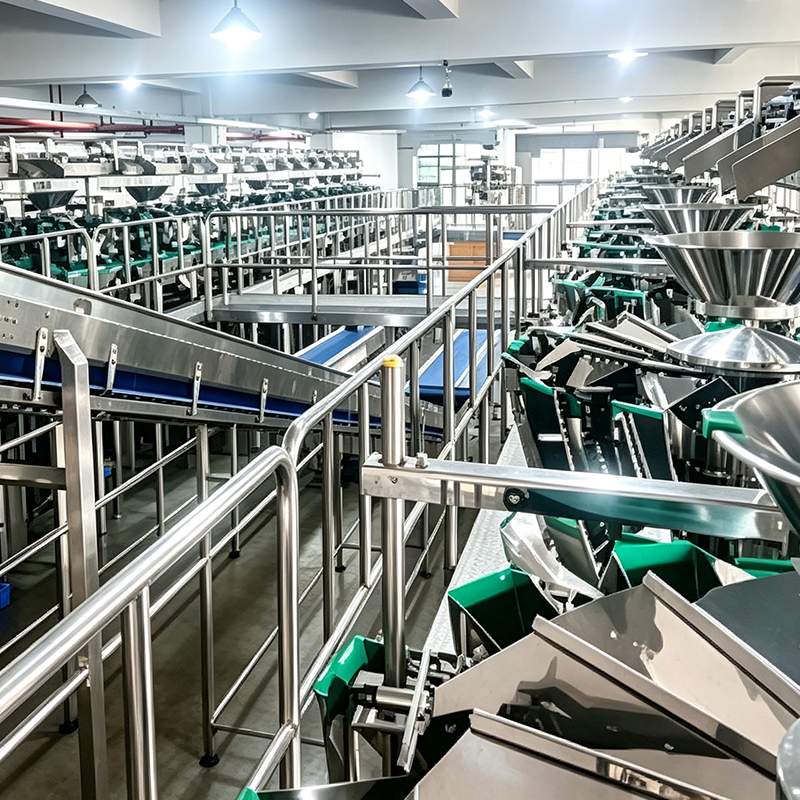
A weigher delivers its best results when it shares signals with the bag maker. The packaging machine requests a dose, the weigher discharges it, and the bag former drops the film at the right moment. A shared touch screen or a clear signal interface avoids lost time between cycles. Weighers in this catalog are designed to pair with vertical packaging machines and premade pouch packing machines, which allows a fully automatic quantitative packaging system from feeding to finished bag.
Snacks, candy and nuts reward speed, so a 16-head or 20-head multi-head weigher is the usual choice. For crisp or fragile products, a three-layer design reduces drop height and breakage. For blended snack packs, a mixing mode combines two or three materials into one bag.
These fields value consistent dosing and easy cleaning. A screw weigher with a smooth hopper and quick-release parts supports hygiene routines, and a stored recipe for each product helps keep batches consistent. Check the Pharmaceutical Industry and Chemical Industry solution pages for typical layouts.
The short answer: share the product, target weight, speed, bag format and plant layout, then request a test. A capable custom weighing & dosing equipment factory will return a configuration, a layout and a plan rather than a generic brochure.
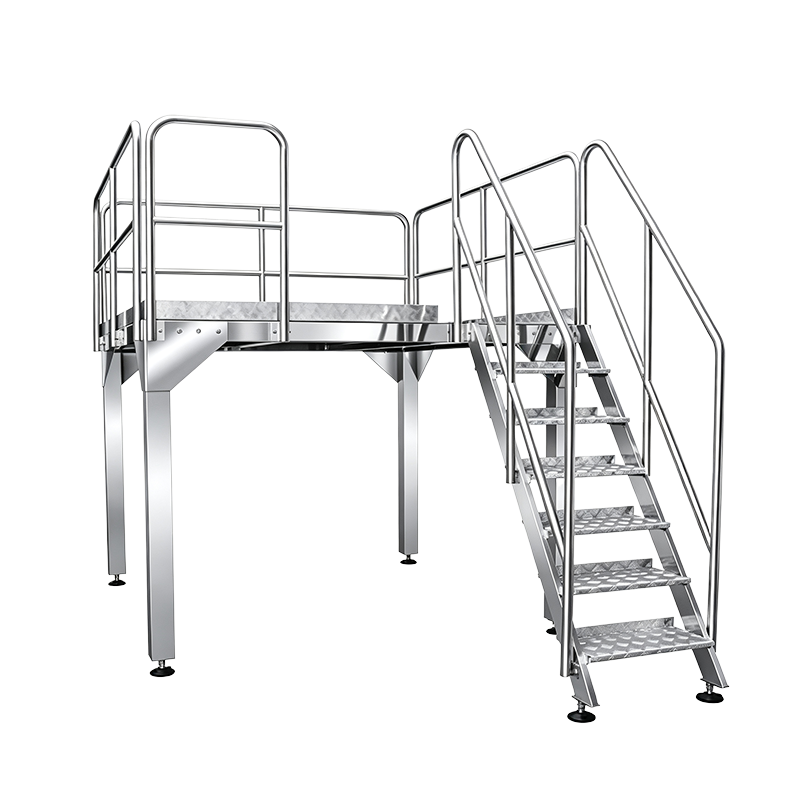
A Custom Weighing & Dosing Equipment Manufacturer can adjust hopper size, head count, contact surface material, discharge chute, software recipes, touch screen language and the interface with the packaging machine. A Custom Weighing & Dosing Equipment Factory that builds its own frames and control cabinets can also add feeding, conveying and inspection equipment so the line is designed as one system.
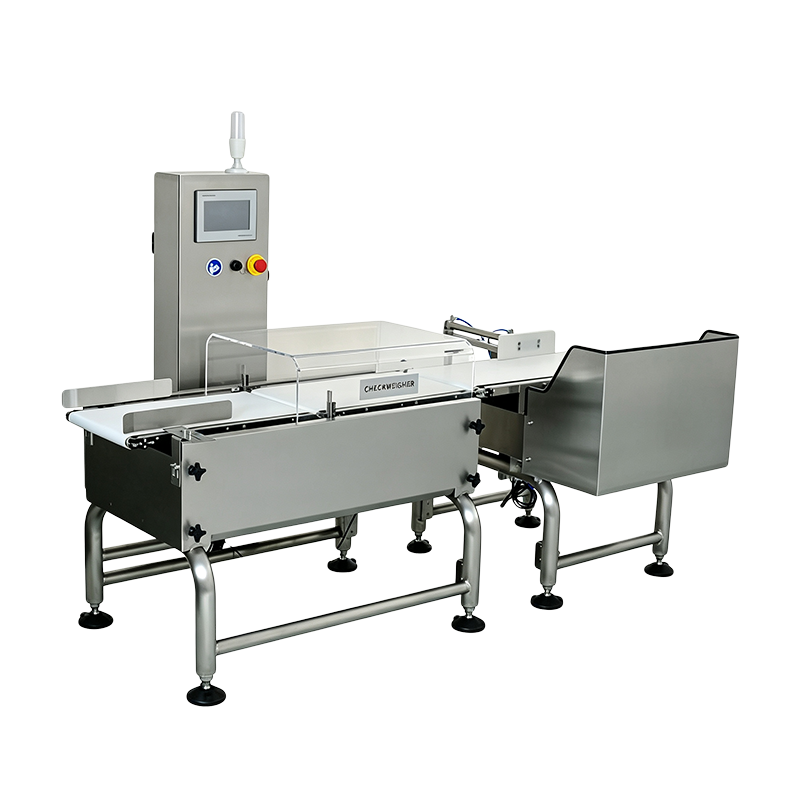
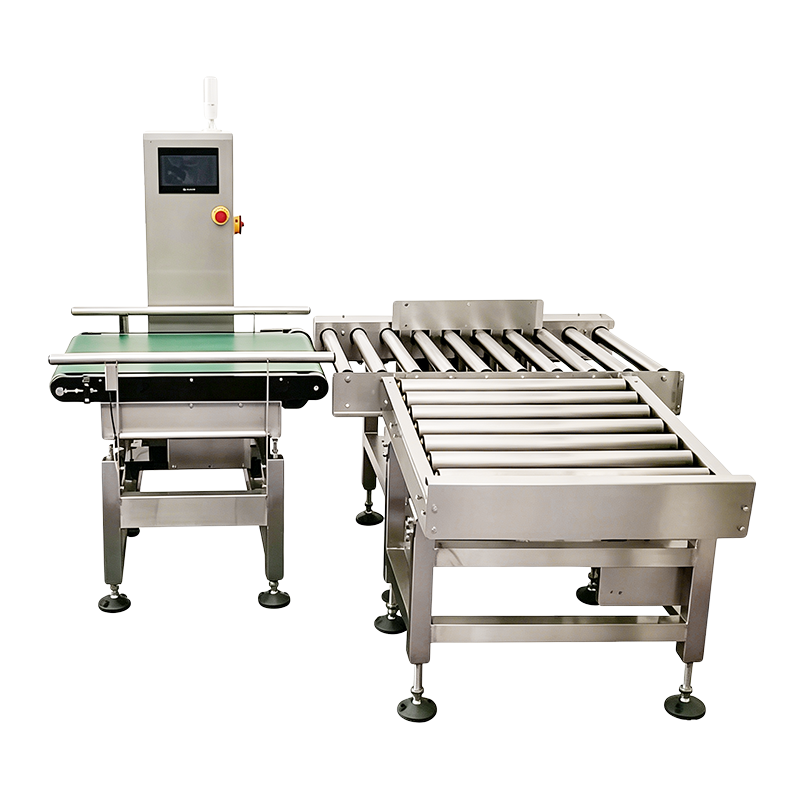
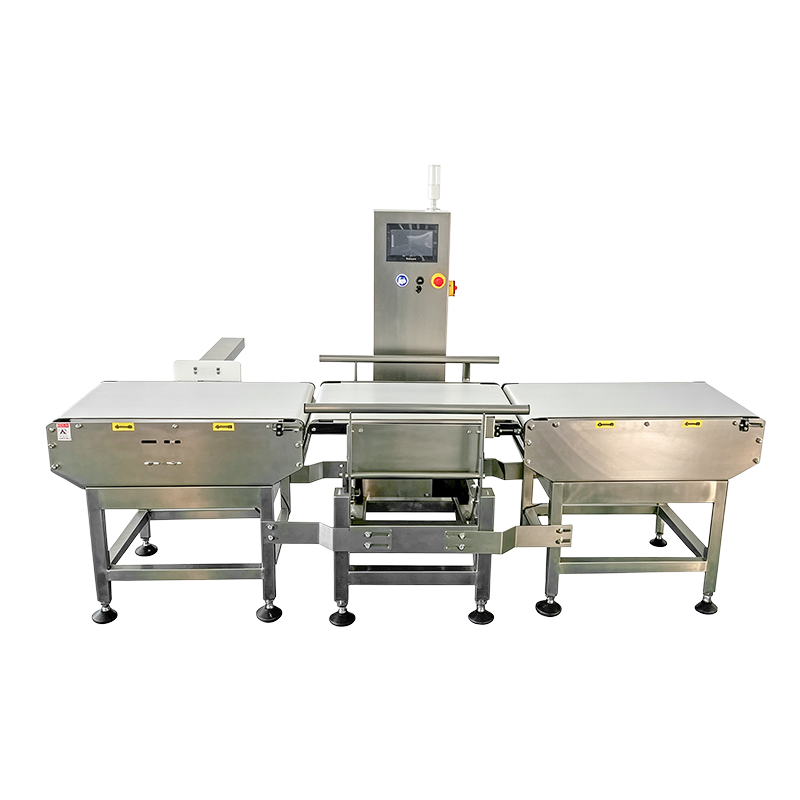
Jiaxing K-Line Machinery Co., Ltd. draws on a core team with nearly two decades of automated packaging experience, and its lines combine weighers with vertical packaging machines and checkweighers.
Ask which parts are designed in house, which certifications are held and how spare parts are delivered. Ask whether the supplier can match the weigher to a specific packaging machine through a single control interface. Compare answers from each China weighing & dosing equipment factory and China weighing & dosing equipment manufacturer on your list, and prefer the one that offers a real product test.
Send your product details and target weight to the engineering team. Explore the multi-head weigher, volumetric cup, screw weigher and linear weigher pages, or contact us directly.

Contact Us
+86-573-82788180
Need E-mail
info@mainfill.com
About
Jiaxing K-Line Machinery Co., Ltd. is an automatic packaging machinery manufacturer and service provider serving the domestic high-end and overseas markets.
Links
Products
Get a Free Quote

 English
 中文简体
 Español
 русский