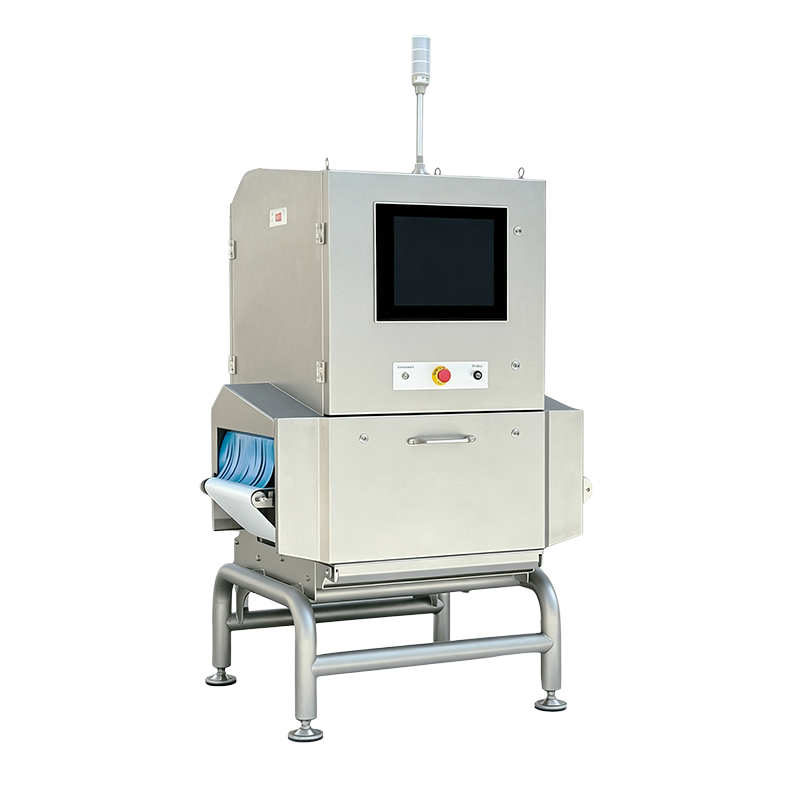
Jiaxing K-Line Machinery Co., Ltd. is a China X-ray Inspection Machine manufacturer and OEM supplier building in-line foreign-body detection systems for food, pharmaceutical and chemical production lines. The X-ray range is positioned inside our Checking Equipment family, beside checkweighers and metal detectors, and is used when the contaminant list includes glass, stone, dense plastic, bone or stainless steel that a metal detector cannot reliably catch.
What our X-ray inspection machines are built for
Our X-ray systems inspect packed or unpacked product on a belt and identify objects by density rather than magnetic or conductive properties. That makes them effective for non-metallic foreign bodies and for products in foil or metalized film where a metal detector is blocked or affected by product effect.
- Food: spices, meat, seafood, dairy, snacks, confectionery, frozen products and prepared meals.
- Pharmaceutical: blister packs, bottles, sachets, cartons and medical devices.
- Chemical: granules, powders, packaged household and industrial chemical products.
The K-Line X-ray range
We supply three standard X-ray frames: the 3016 compact system, the 4016 EX series and the 6016 large system. They share the same imaging core, so configuration work focuses on frame size, conveyor height, reject handling and line interface rather than on adapting the detection engine to fit the plant.
3016 Compact
Small-footprint frame for space-constrained lines, short belts and single-lane bag or pouch inspection.
4016 EX Series
Mid-size EX frame for standard packaged food and pharma products at normal line speeds, with more room for pack height and reject devices.
6016 Large
Largest standard frame for tall packs, larger case or bulk items, and multi-lane product flow.
| Parameter |
K-Line X-ray platform |
| Model range |
3016, 4016 EX, 6016 |
| Channel width |
300 mm to 600 mm depending on frame |
| Detection reference |
Stainless steel ball Φ0.3 mm, ceramic Φ0.8 mm, glass Φ1.0 mm |
| X-ray source |
American VJ high-performance source |
| Detector |
Finnish DeeTee high-resolution detector |
| Inspection algorithm |
pan-AI multi-feature fusion |
| Operator interface |
17-inch full-color touchscreen, Windows 10 industrial computer |
| Image storage |
Over 500 GB |
| Washdown rating |
Detection channel IP66 |
| Radiation safety |
Leakage far below 1 μSv/hour; FDA and CE compliance |
Configuration and automation integration
We treat the X-ray machine as part of the packaging line, not as a stand-alone box. The standard operator station gives your team image review, fault history and reject data on one screen, and the industrial PC stores images for traceability and quality audits.
- Infeed and outfeed conveyor heights are matched to upstream equipment such as a Vertical Packaging Machine or premade pouch filler.
- The reject mechanism is configured around product flow, pack weight and line speed so confirmed rejects are removed without disturbing adjacent packs.
- Digital or dry-contact signals allow coordination with a checkweigher, metal detector, coding machine or line control PLC.
- For washdown environments, the IP66 channel and sealed construction support routine cleaning.
Combining X-ray with other checking equipment
X-ray does not replace every inspection device. It is the right tool when the contaminant list includes non-metal objects or when the product is packed in foil. On lines where weight control is also critical, we place an X-ray system alongside a Checkweigher or after a Metal Detection Machine so the line stops weight errors and foreign-body contamination at the same point.
Quality assurance and compliance
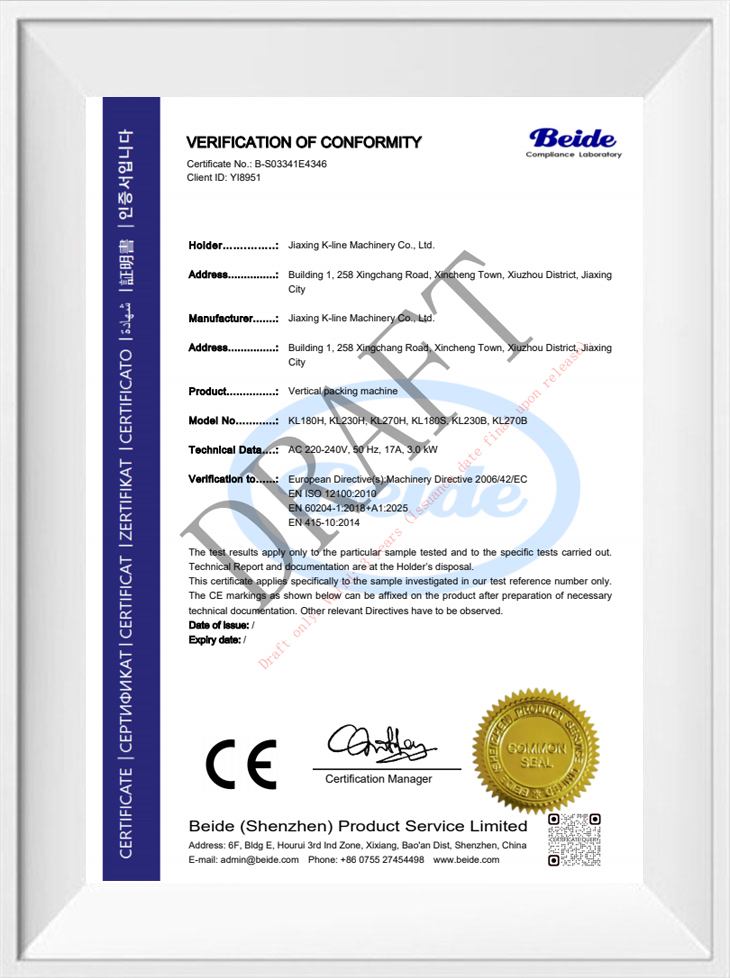
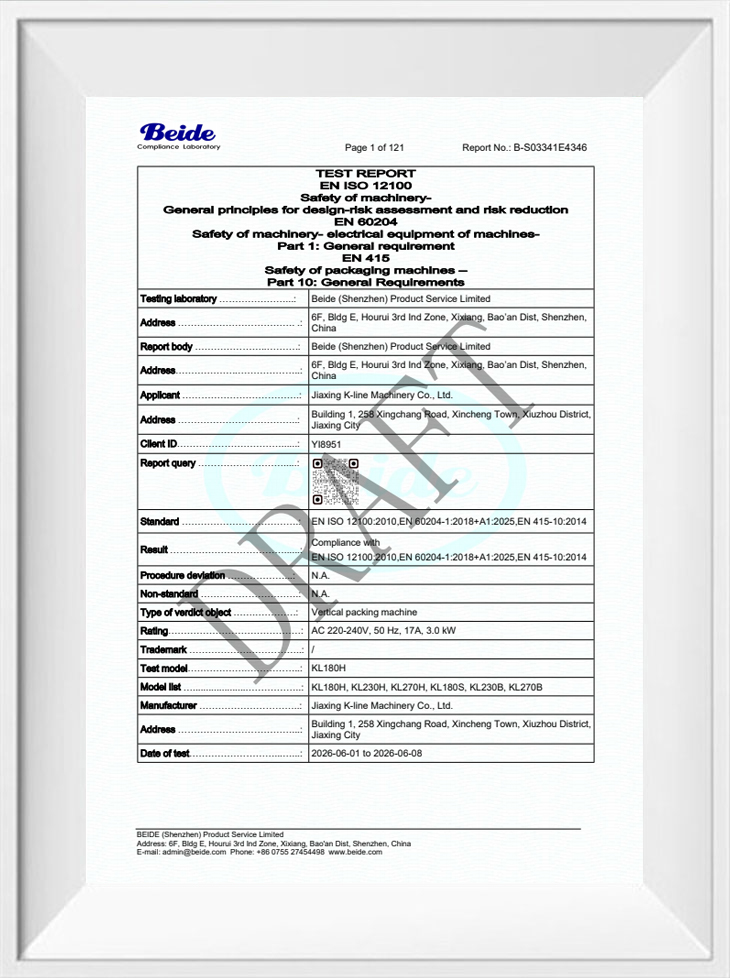
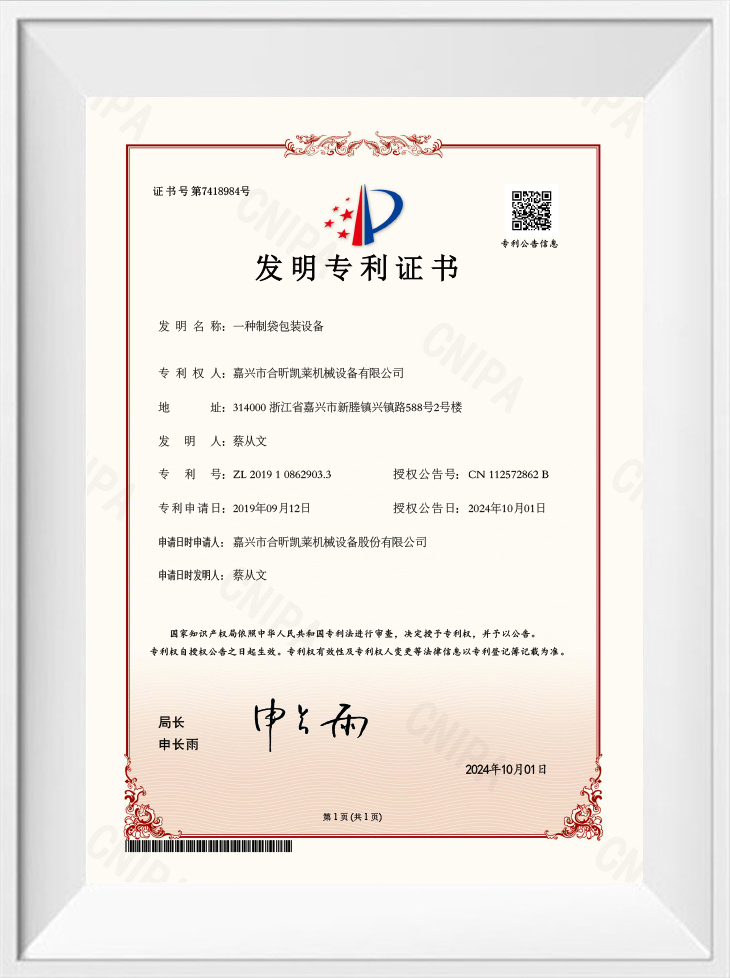
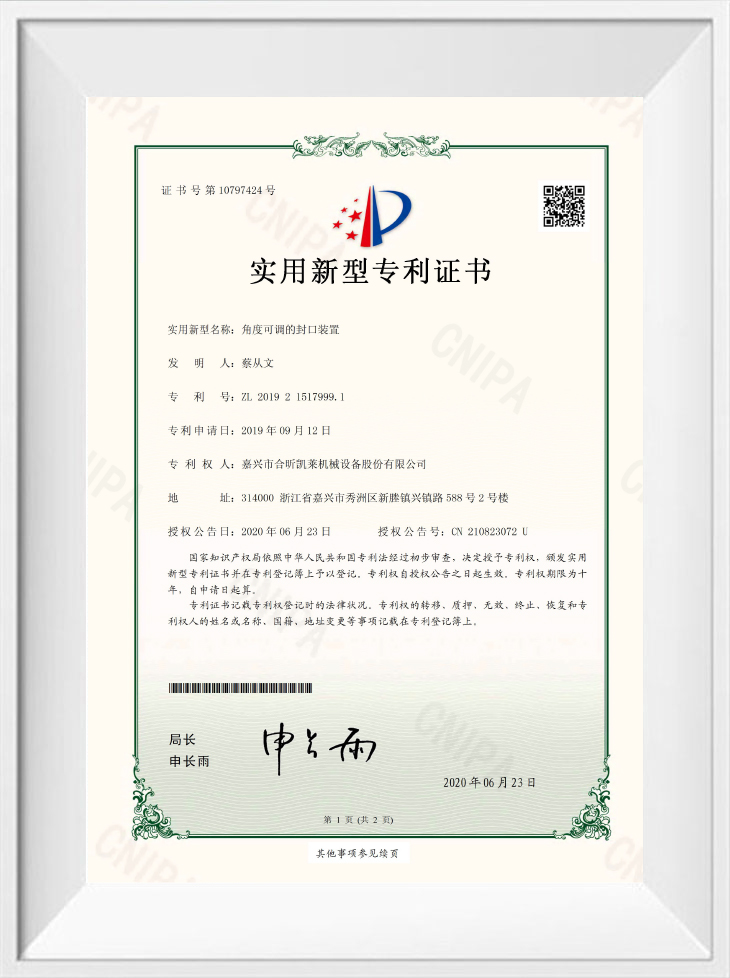
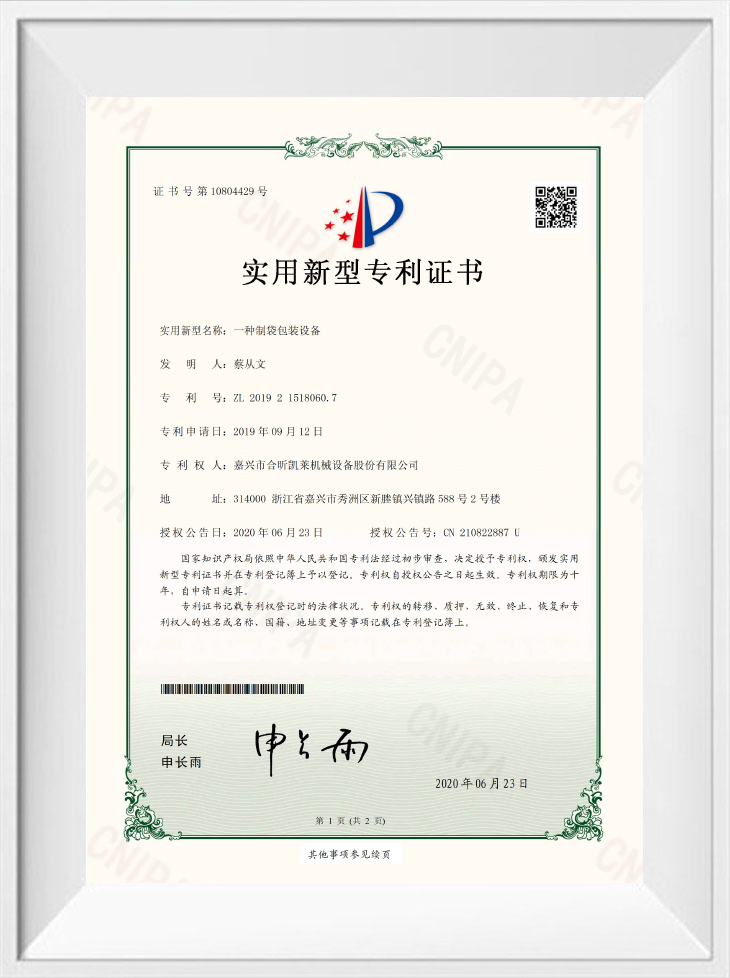
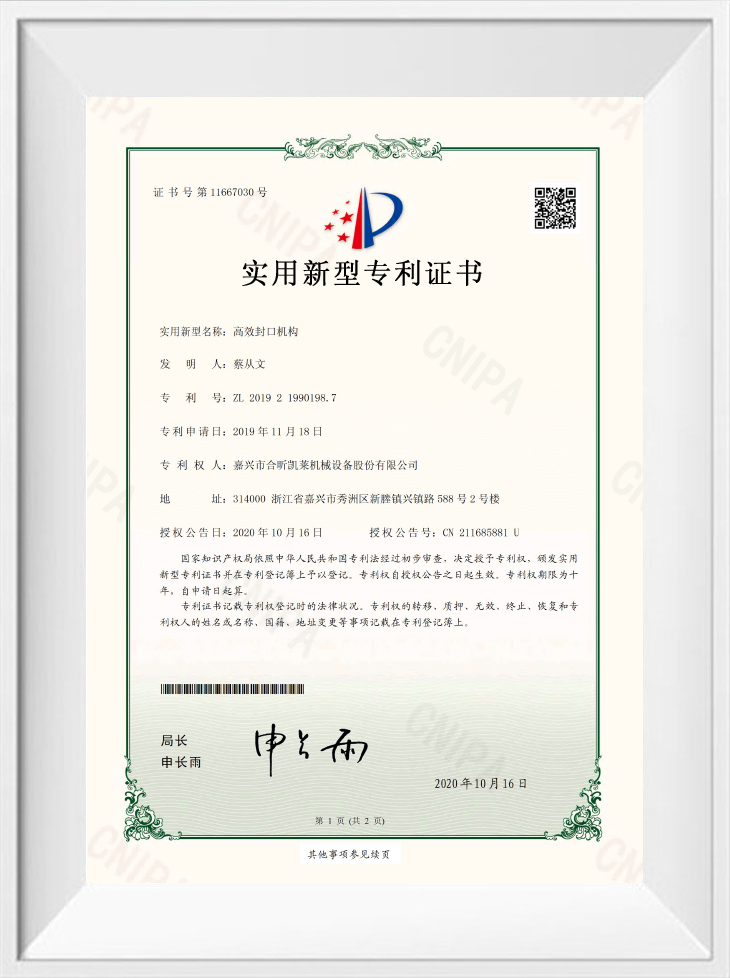
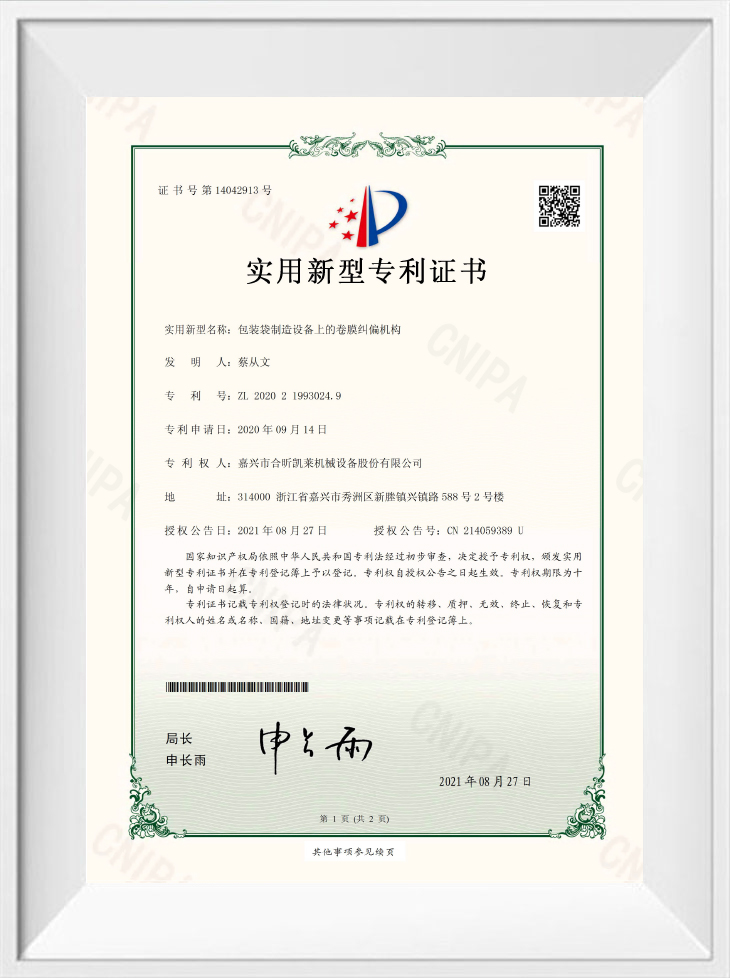
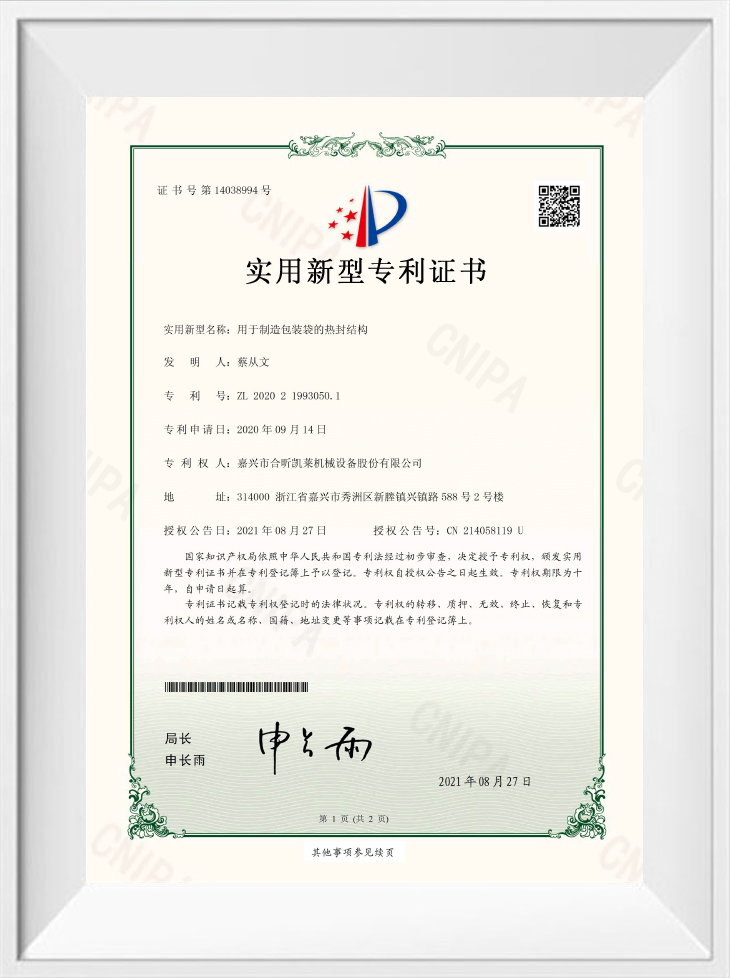
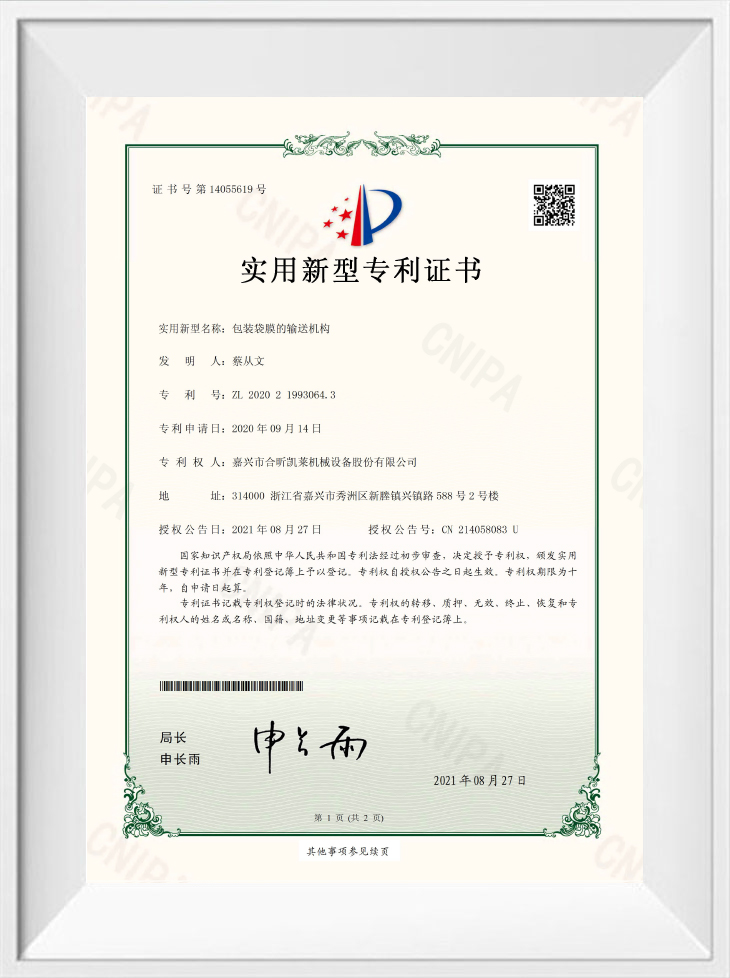
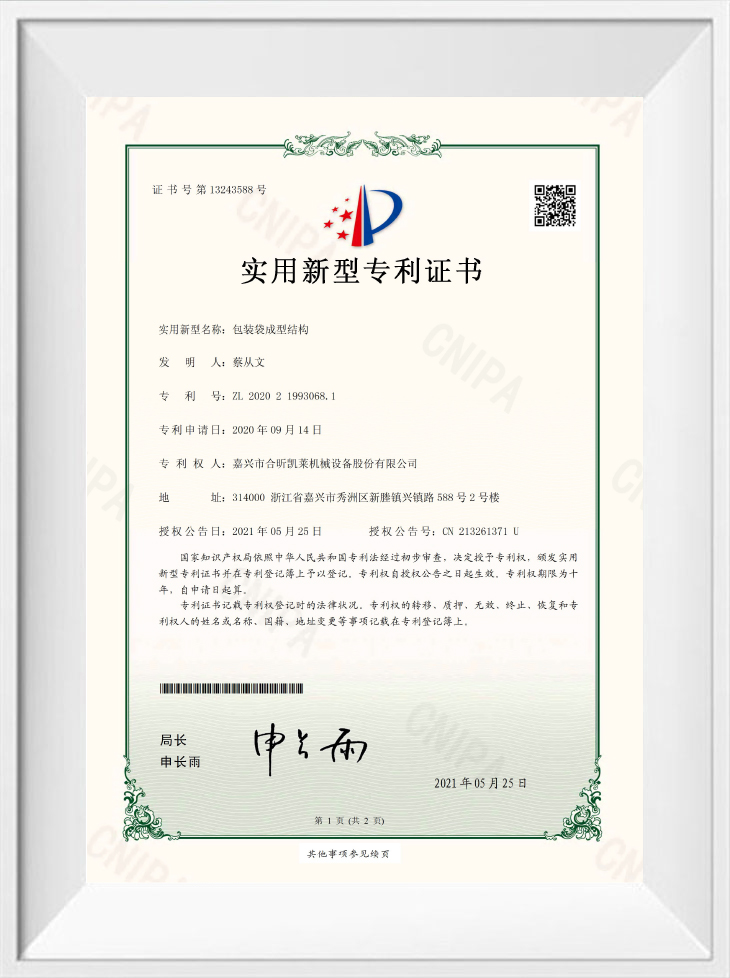
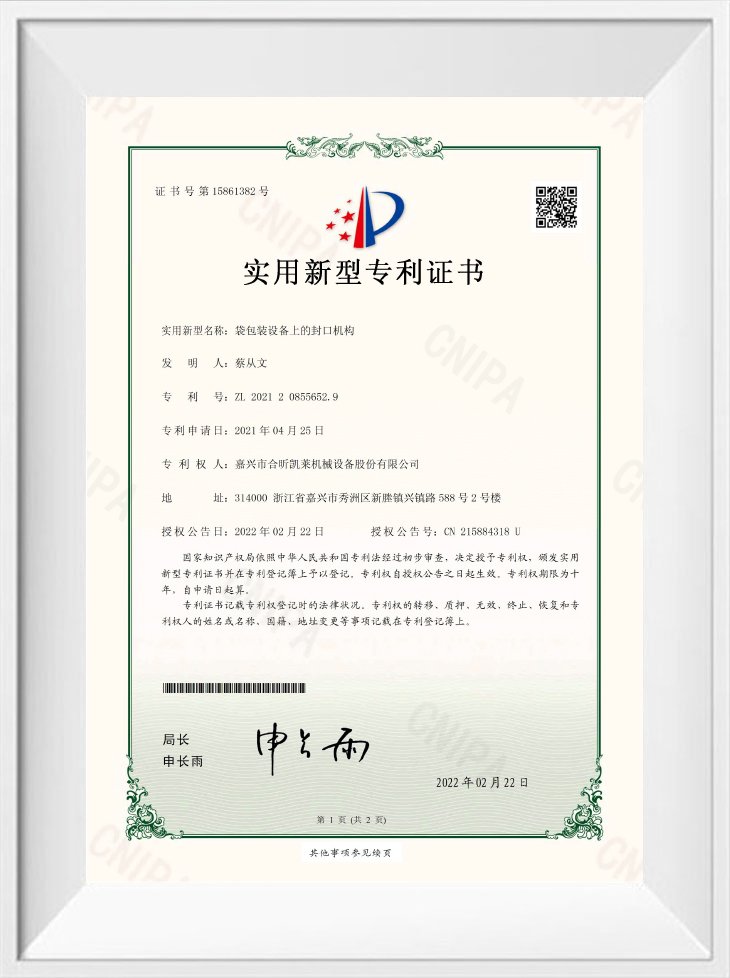
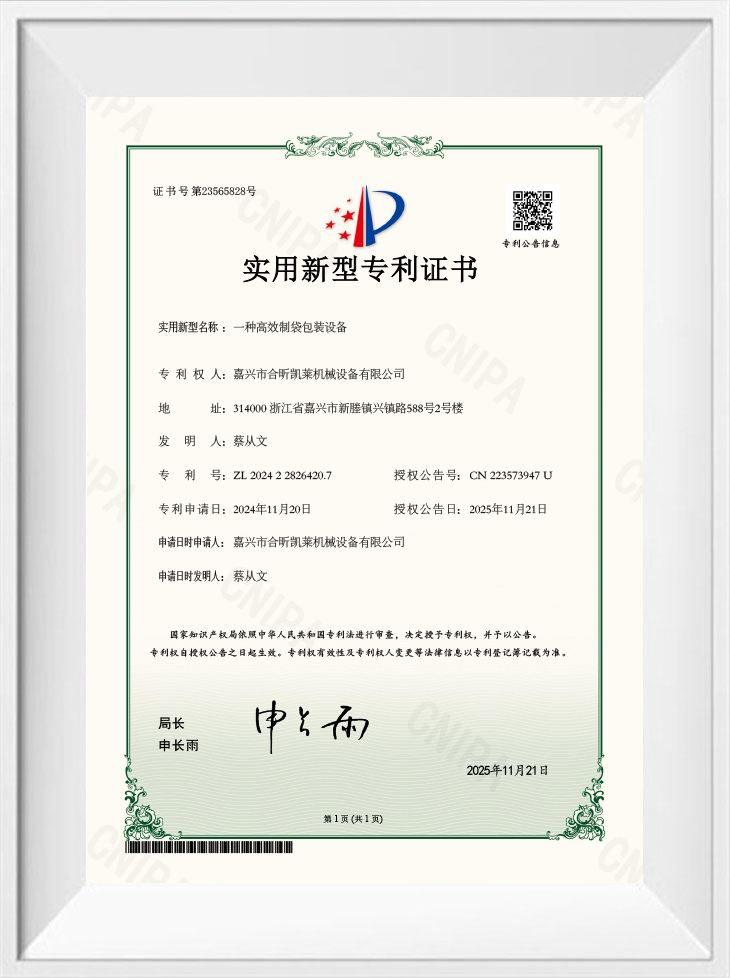
Development, design and manufacturing are supervised by senior technical staff, and our certification file includes CE test reports, an invention patent and multiple utility model patents. The X-ray channel is validated against stainless steel, ceramic and glass test pieces before shipment, and radiation shielding is checked to keep leakage far below the 1 μSv/hour limit.
Information we use to configure your solution
To prepare a configuration, proposal and layout drawing, we need the following project data. This also becomes the basis for acceptance testing after installation.
| Project data |
Why it matters |
Example |
| Product type and density |
Sets X-ray penetration and achievable detection sensitivity |
Spice powder sachet vs canned meat |
| Pack dimensions and orientation |
Defines frame size, channel width and conveyor height |
120 × 80 × 25 mm sachet, standing or flat |
| Line speed and throughput |
Selects frame size, image processing load and reject timing |
60 packs/min, belt speed 15 m/min |
| Upstream and downstream equipment |
Matches infeed and outfeed heights and control signals |
After a vertical bagger or premade pouch filler |
| Washdown and utilities |
Confirms IP rating, electrical supply and installation location |
Daily foam washdown, 220 V single phase |
| Quality target |
Sets the contaminant size to detect and final acceptance criteria |
Glass fragments ≥1.0 mm in finished pouch |
If you can send product samples, we use them during the proposal stage to confirm the detection limit, recommend the frame size and prepare a line layout. Our after-sales team supports remote troubleshooting, spare parts, commissioning and operator training after delivery.
Frequently asked questions
What sensitivity can your X-ray machines achieve?
Under reference conditions, the platform detects stainless steel balls of Φ0.3 mm, ceramic of Φ0.8 mm and glass of Φ1.0 mm. Achievable sensitivity on your product depends on pack density, thickness and orientation, which is why we ask for samples before final specification.
Can an X-ray system inspect foil or metalized packaging?
Yes. X-ray sees through foil and metalized film, which is a common limitation of metal detectors. That makes it the preferred choice for coffee, pet food, snacks and similar products packed in metallized pouches.
What information do you need to quote an X-ray line?
We need product type, pack dimensions, line speed, contaminants you must detect, target detection size, existing equipment, available space and utility supply. With that data we prepare a configuration, layout drawing and quotation.
How is radiation safety handled?
The system is shielded so leakage stays far below 1 μSv/hour, and the design follows FDA and CE compliance requirements. Access is controlled and the machine is supplied with safety documentation for local registration where required.
Do you supply X-ray as part of a complete packaging line?
Yes. We manufacture vertical packaging machines, conveying equipment, checkweighers, metal detectors and auxiliary equipment, so the X-ray machine can be integrated into a complete automated line from a single supplier.

 English
 中文简体
 Español
 русский