HZL Vacuum Loader: Automated Material Feeding for Packaging Lines
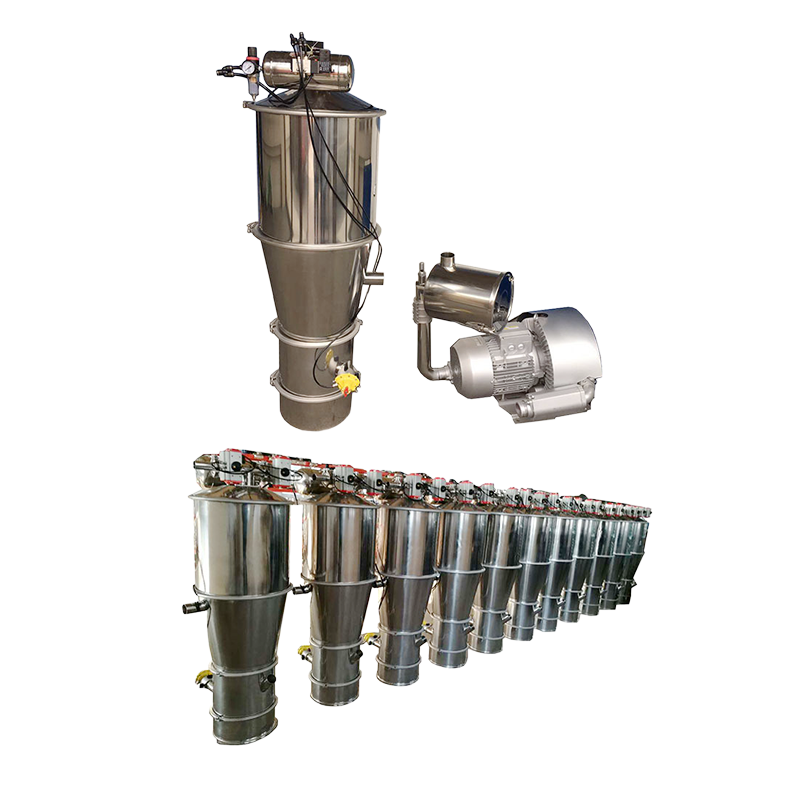
Jiaxing K-Line Machinery Co., Ltd. designs and builds the HZL vacuum loader series for automated powder and granule feeding. As the Vacuum Loader Manufacturer behind complete packaging lines, we size, configure and integrate every unit around the customer's material and production conditions. The loader feeds packaging machine hoppers, injection molding machines, crushers and mixers without manual lifting, and it seals the conveying path so dust does not escape into the production area.
HZL Range and Specifications
The HZL series runs from the compact HZL-1 to the high-capacity HZL-8, covering feed volumes of 400-6,000 L/h and installed power from 1.5 to 7.5 kW. The vacuum pump is oil-free and water-free, the suction nozzle is stainless steel, and the standard filter is PE with compressed-air back-blowing.
| Specification |
HZL Standard Range |
| Feed volume |
400-6,000 L/h |
| Installed power |
1.5-7.5 kW |
| Vacuum pump |
Oil-free and water-free |
| Suction nozzle |
304 stainless steel |
| Filter |
PE filter with compressed-air back-blowing |
| Discharge modes |
Intermittent or continuous |
| Control |
Level-sensor automatic start/stop |
Selection principle: Start with material bulk density and target feed rate, then choose the HZL model and discharge mode. Conveying distance and hopper height refine the final configuration.
Where the HZL Vacuum Loader Fits
We supply the vacuum loader as one part of a wider feeding chain. For fully automatic lines, it sits at the front of the material handling section alongside Z-type elevators, inclined conveyors, screw elevators and single bucket elevators, all coordinated under our Material Feeding and Conveying Equipment range.
- Packaging lines: automatically tops up hoppers on Vertical Packaging Machine and premade pouch systems.
- Plastics processing: feeds injection molding machines, crushers and mixers with pellets or regrind.
- Food and pharmaceutical plants: sealed transfer of powders and granules in GMP-oriented layouts.
- Chemical and industrial plants: moves dusty or free-flowing raw materials without open handling.
Material and Process Considerations
Vacuum conveying performance depends on the material, not only on machine size. We use the following product data to select the model, hose size and discharge mode.
- Bulk density: determines air volume, separator size and achievable throughput.
- Particle size and shape: affect hose diameter, suction nozzle selection and line velocity.
- Moisture, oil or static: influences the back-blowing cycle and filter cleaning interval.
- Dust level: sealed conveying and PE filtration keep dust inside the system.
- Food or pharma duty: the stainless steel suction nozzle and cleanable filter match GMP-oriented production areas.
Configuration, Controls and Automation Integration
Each loader includes a control circuit and level sensor. The sensor monitors the receiving hopper and starts or stops the vacuum pump automatically; this is the basis for linking the loader into a fully automatic line. We use the same interface to coordinate the loader with an upstream Multi-head Weigher and with the filling machine below it.
- Intermittent discharge: selected for batch hoppers and multi-station filling.
- Continuous discharge: used for mixers, crushers and process machines that need a steady material flow.
- Compressed-air back-blowing: cleans the PE filter during the cycle and keeps suction stable.
- Custom electrical configuration: voltage and frequency can be matched to the destination country.
Quality, Compliance and Project Support
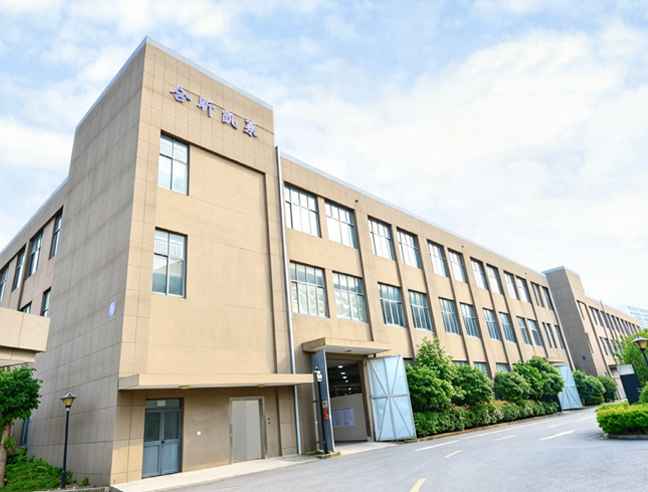
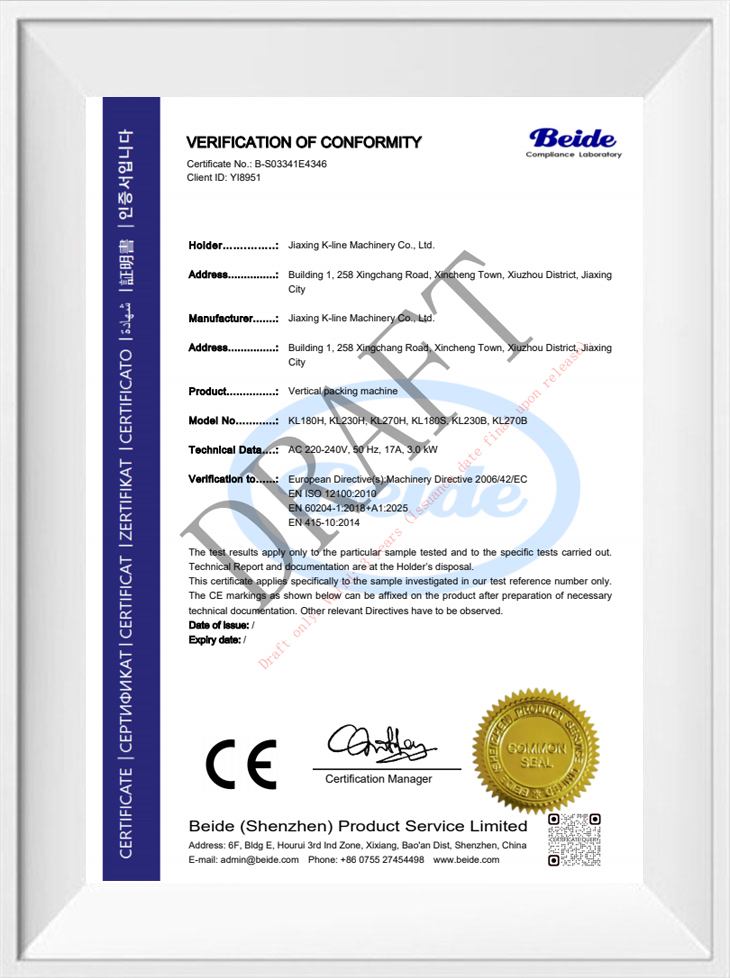
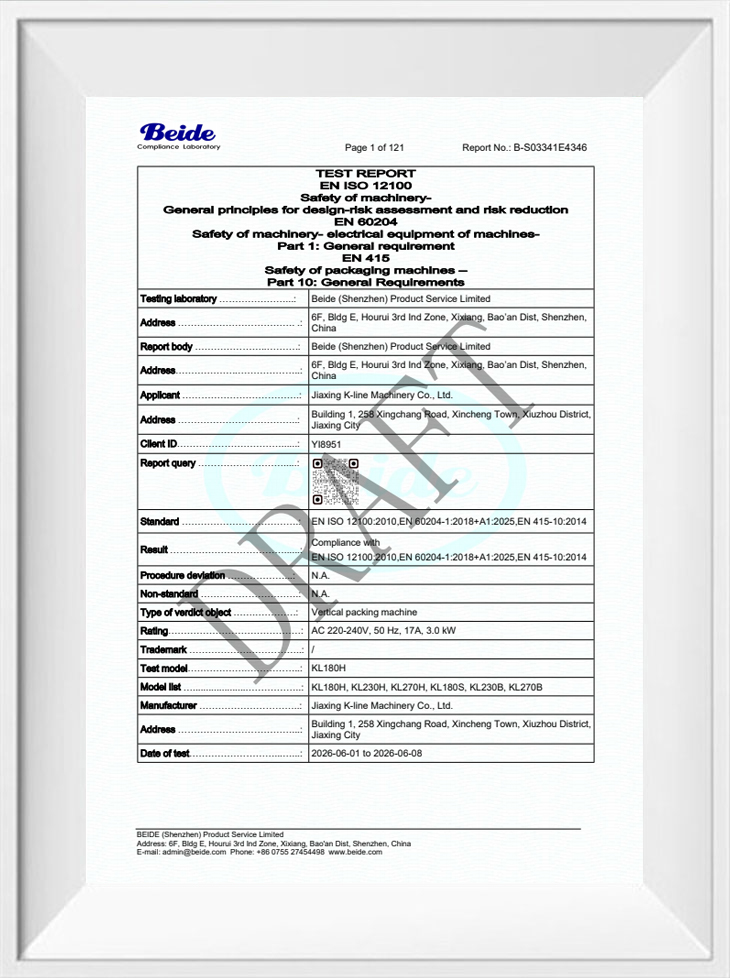
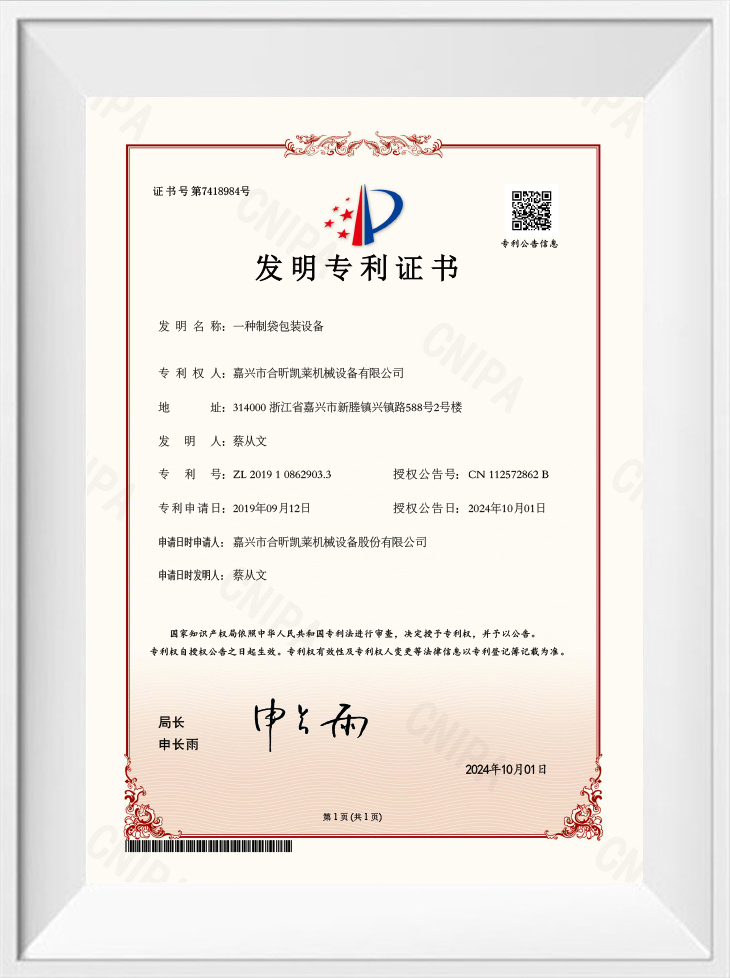
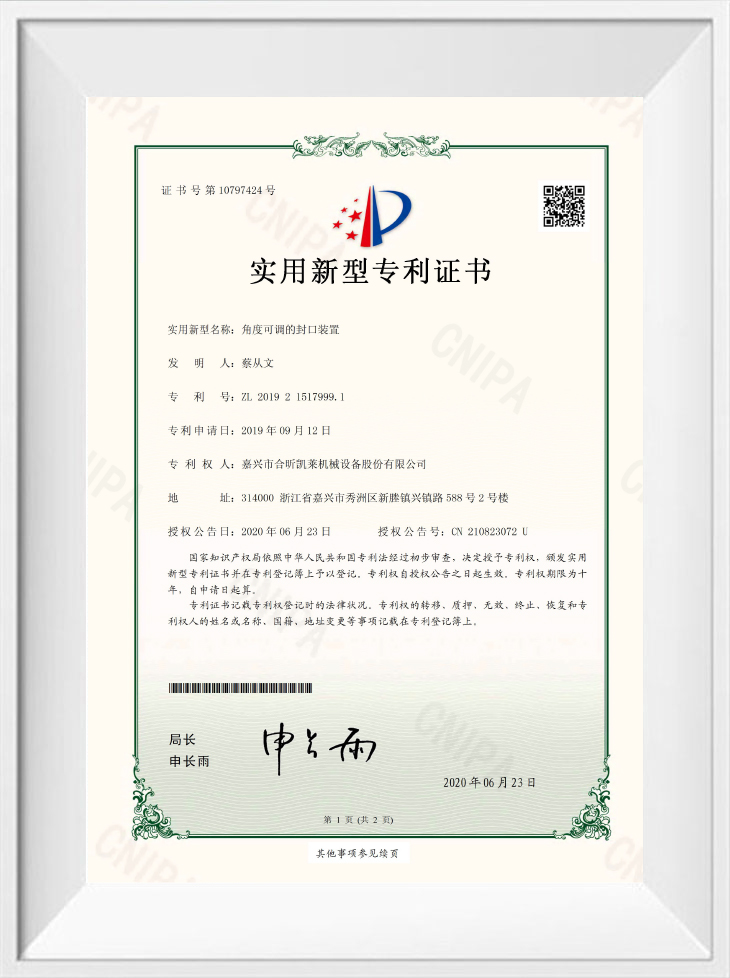
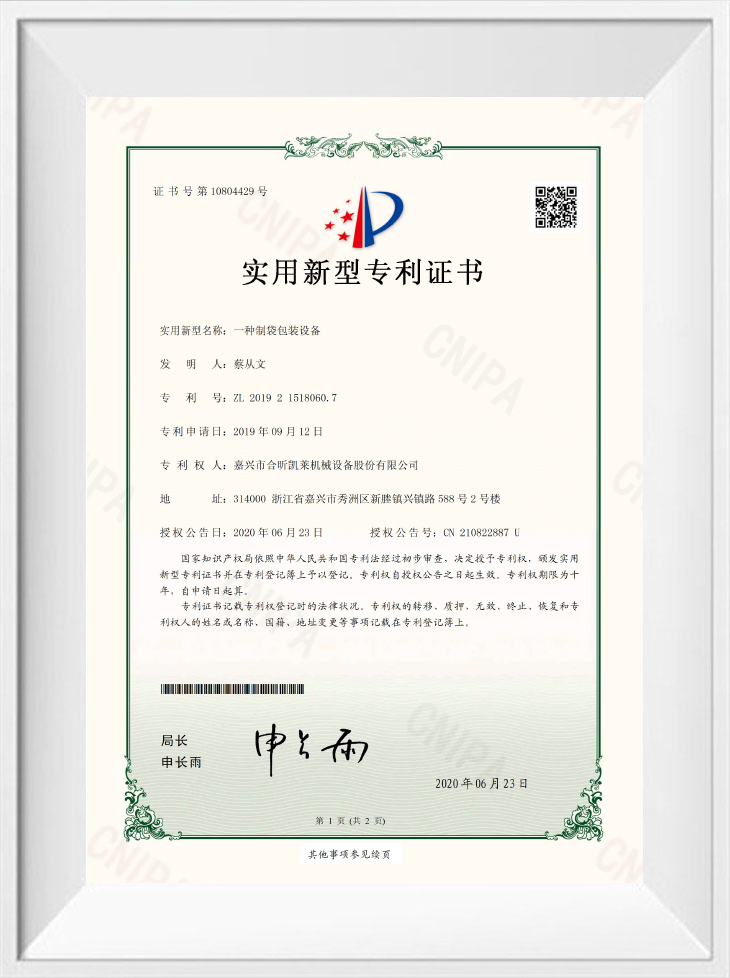
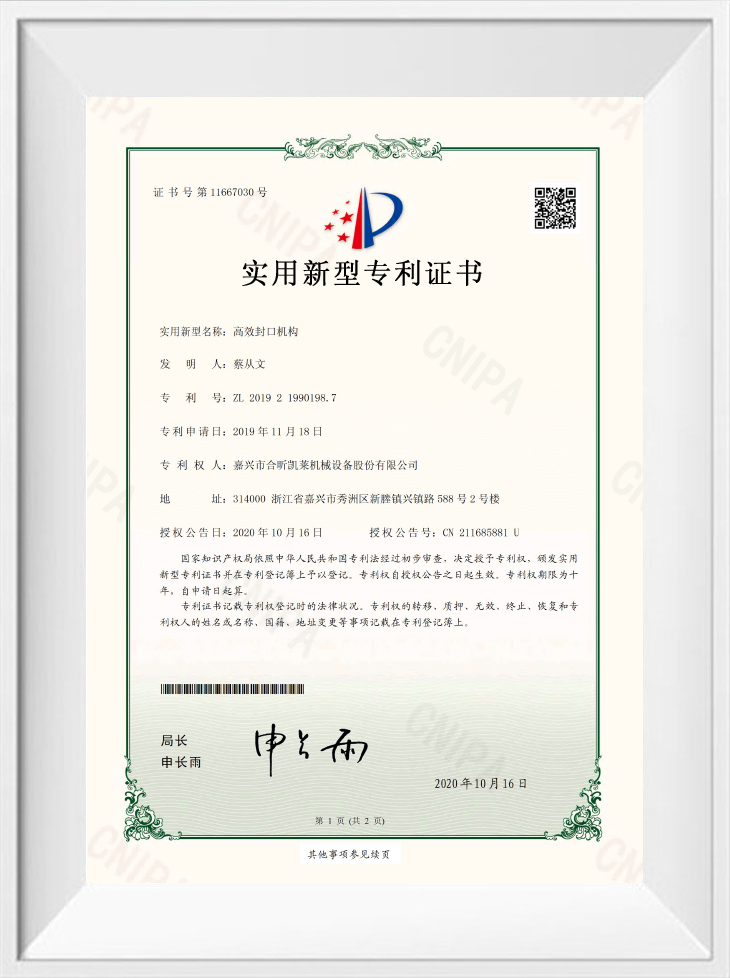
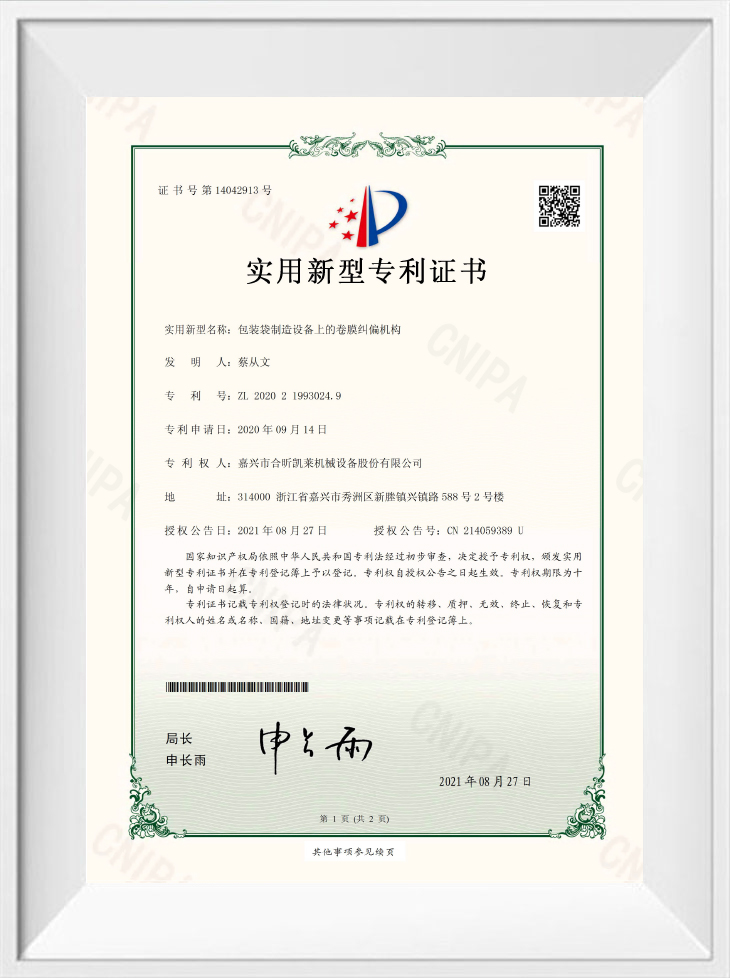
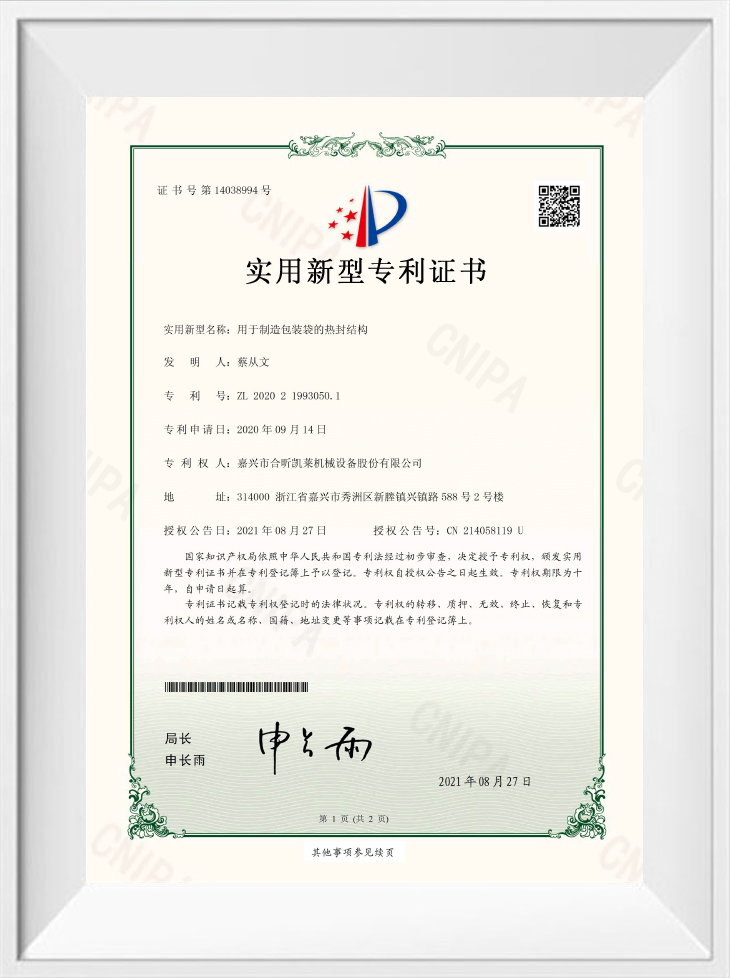
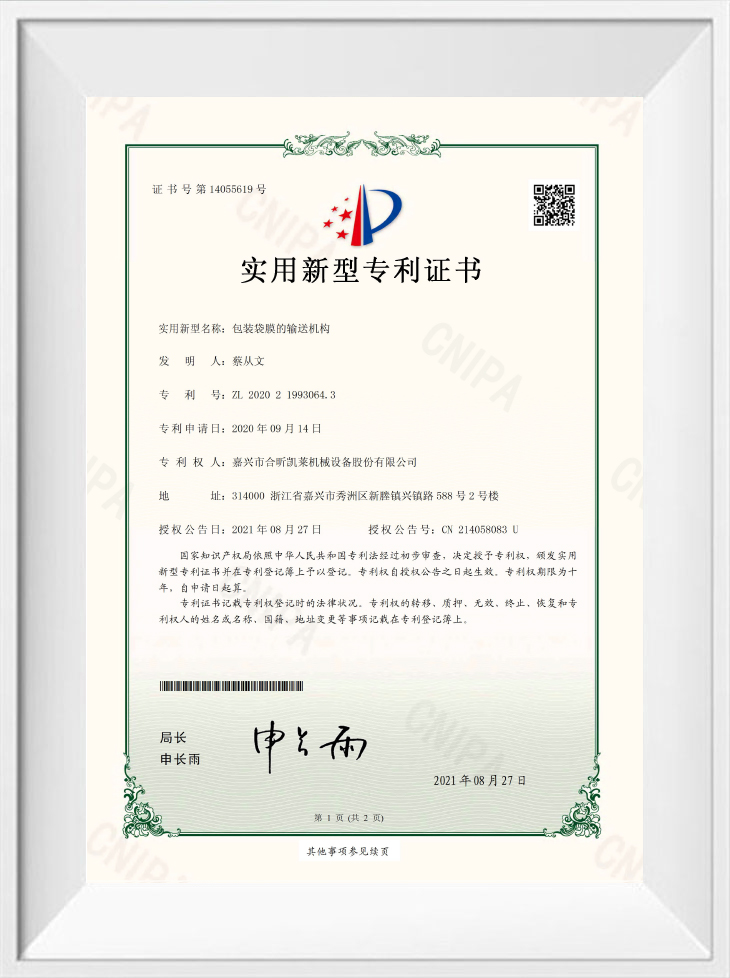
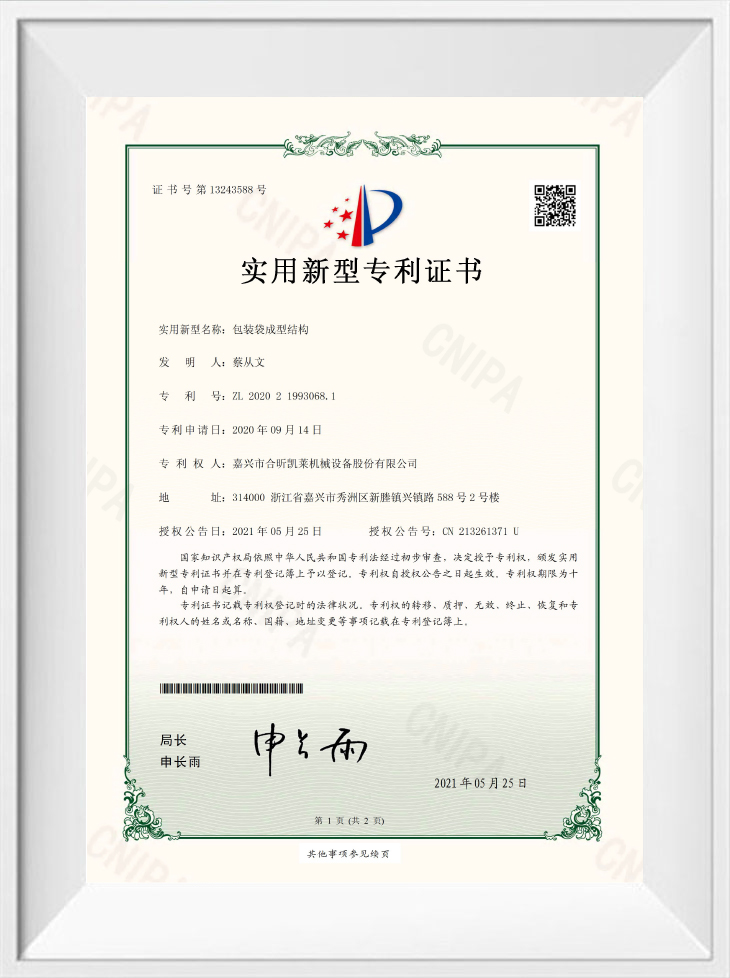
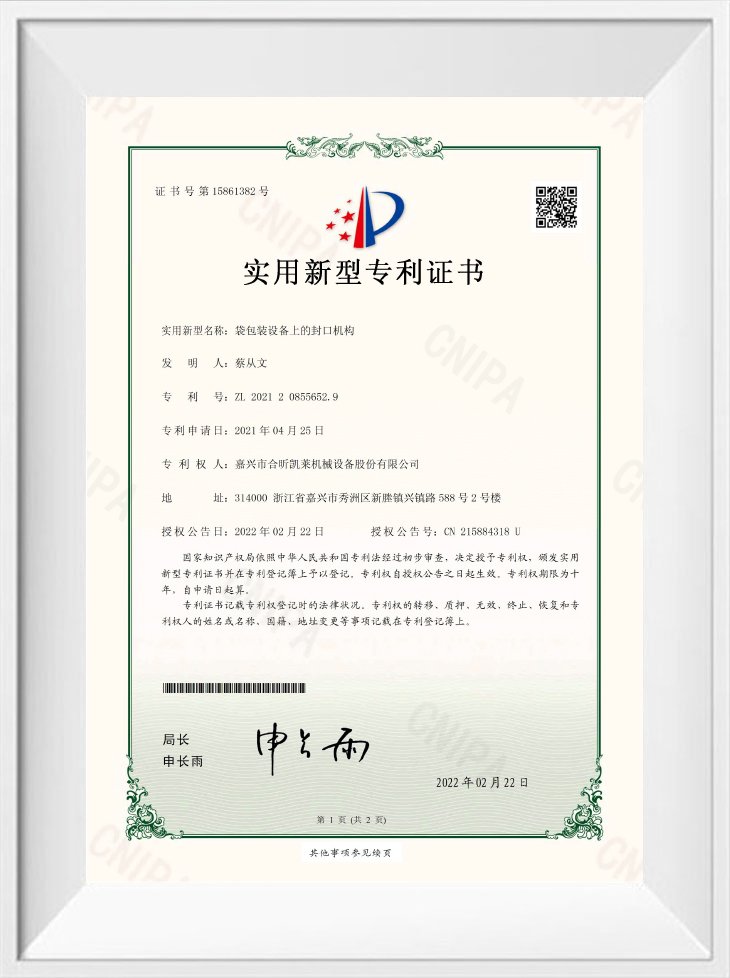
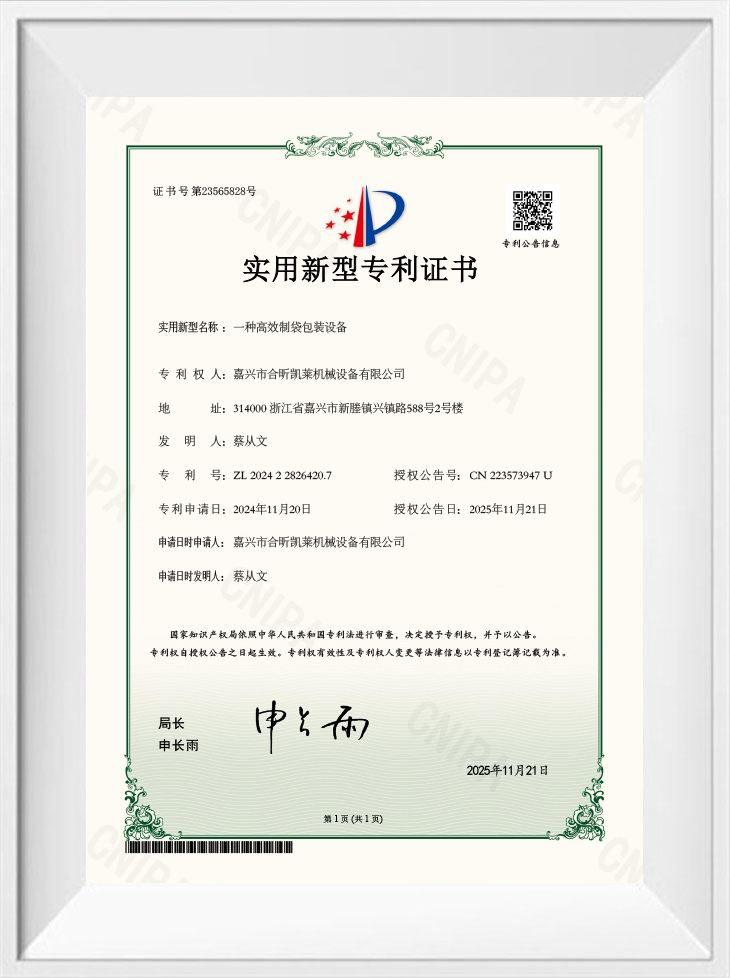
K-Line is a direct factory in Jiaxing, China, and a turnkey supplier of automated packaging systems. R&D, design and manufacturing are supervised by senior technical staff, and the company's file includes a CE test draft report and multiple patent certificates. The same engineering team that configures vertical packaging machines, multi-head weighers and conveyors specifies the loader as part of the complete material flow.
For project support, we define the connection point, hopper height, electrical demand, compressed-air requirement and control interface before sending a proposal. This is how the loader matches the line instead of becoming a stand-alone machine that needs extra adaptation on site.
Information We Use to Configure Your Solution
| Project information |
How we use it |
| Material name and bulk density |
Selects the HZL model, separator size and air volume. |
| Particle size, shape and flowability |
Defines hose diameter, suction nozzle and line velocity. |
| Moisture, oil, static or temperature |
Sets the discharge mode and back-blowing cycle. |
| Target feed rate and line speed |
Determines installed power and throughput rating. |
| Conveying distance and lift height |
Affects hose length and vacuum requirement. |
| Receiving hopper and equipment type |
Defines mounting height and control interface. |
| Available power and compressed air |
Fixes electrical connection and air supply sizing. |
| Hygiene and dust containment requirements |
Confirms contact materials, filter finish and sealing level. |
Frequently Asked Questions
What can an HZL vacuum loader handle?
The HZL series is designed for dry, free-flowing materials such as plastic pellets, granules, powders, regrind, additives and similar bulk solids. It is not a liquid pump. For very cohesive, sticky or aerated powders, we select the filter, nozzle and back-blowing cycle according to the material sample.
What is the difference between intermittent and continuous discharge?
Intermittent discharge fills and empties in cycles, which suits hopper topping and batch weighing. Continuous discharge delivers a steadier flow for mixers, crushers and process machines. We set the mode with the customer's receiving equipment in mind.
How does compressed-air back-blowing work?
During each cycle, a short pulse of compressed air is sent through the PE filter in the reverse direction. This clears accumulated dust from the filter surface and maintains the vacuum level that carries the material through the hose.
Can the loader be integrated into an existing packaging line?
Yes. The control circuit and level sensor are designed for automatic start/stop, and we can match the interface to upstream weighing equipment and downstream packaging machines. The proposal includes the electrical and control connection points so installation is straightforward.
Do you provide custom or OEM vacuum loaders?
Yes. We supply custom loader configurations with different hopper connections, suction nozzles, hose lengths, filter options, voltage/frequency ratings and discharge arrangements. For OEM projects, we work from the customer's material data and line layout, then document the configuration for serial production.

 English
 中文简体
 Español
 русский