Six-axis case packing and palletizing, built for line integration
Jiaxing K-Line Machinery Co., Ltd. builds the Case Packing Robot manufacturer series as part of our System Equipment range. We are a China OEM Case Packing Robot manufacturer and custom Case Packing Robot supplier, and we configure each cell around the product format, line rate and plant layout. The series includes collaborative palletizing workstations and intelligent case packing systems using six-axis collaborative robotic arms with intelligent end-effectors.
Load capacity is 30–60 kg; maximum reach is 1700–1900 mm; maximum palletizing height is 2100–2600 mm. These figures make the range practical for cartons and bagged products in food, pharmaceutical and daily chemical plants. Because the robot is part of a complete line, we integrate it with upstream packaging machines, case sealers and conveyors to form fully automatic packing and palletizing production lines.
Where the case packing robot fits
The Case Packing Robot category covers two platform configurations. We select the platform according to the amount of upstream automation and the level of operator participation expected at the end of the line.
Collaborative palletizing workstation
For lines where operators handle infeed, pallet change-off and occasional intervention. The robot picks bags or cartons from the infeed conveyor and places them in the defined layer pattern.
Best fit: lower-volume lines, multiple pack sizes, and sites adding automation without replacing the whole line.
Intelligent case packing system
For automatic end-of-line operation. The robot works with case erectors, conveyors, case sealers and inspection equipment, receiving product from upstream and managing case or pallet patterns centrally.
Best fit: high-volume food and daily chemical lines with continuous shifts and reduced manual handling.
Common line positions:
- Product from a Vertical Packaging Machine or automatic premade pouch packing machine is conveyed directly to the robot.
- Cartons from a Carton Sealing Machine can be palletized in the same cell.
- The robot can be placed before or after case sealing depending on whether bags are packed into cases first or palletized directly.
- Conveyor platforms and outfeed conveyors are matched to the robot working envelope.
Standard system specifications
| Parameter |
Case Packing Robot series |
| Robot architecture |
Six-axis collaborative robotic arm with intelligent end-effector |
| Load capacity |
30–60 kg |
| Maximum reach |
1700–1900 mm |
| Maximum palletizing height |
2100–2600 mm |
| Enclosure protection |
IP54 |
| Installed power |
3.5–5 kW |
| Power supply |
Single phase 220 V / 50 Hz |
| Communication |
TCP/IP protocol |
| Recipe storage |
More than 1000 recipes with Chinese/English naming and recipe search |
| Programming features |
Intelligent automatic sampling parameter setting, real-time speed adjustment, AR virtual programming |
| Cam mechanism |
Groove cam structure in 20CrMnTi, hardness HRC55-60 |
| Lubrication |
Integrated lubrication system |
Repeatability is not a single figure for every configuration. The final value depends on the robot model, payload at the working point and end-effector mass. We confirm cycle time and repeatability for the actual stack pattern in the proposal.
Configuration options and end-effector selection
We configure the robot around what actually reaches the end effector. Flexible bags need a gripper or suction arrangement matched to the film type and surface texture. Rigid cartons need a different contact face, especially when the lid is not fully closed.
- Bagged products: end effector selected by bag material, weight, dimensions and surface finish.
- Cartons: end effector selected by case size, lid condition and layer orientation.
- Pallet pattern: recipe-based layer patterns define pickup, placement and interlayer handling.
- Reach and mounting: base position is set by conveyor height, pallet position and available floor space.
Throughput is determined by the upstream line rate, payload, reach and end-effector cycle. We size the robot against the target bags per minute or cartons per hour instead of a theoretical maximum. Real-time speed adjustment lets the system follow upstream flow variations without stopping the line.
Controls, recipes and automation integration
- TCP/IP communication protocol for PLC/HMI integration and line coordination.
- More than 1000 recipes with Chinese/English naming and recipe search for fast product changeover.
- Intelligent automatic sampling parameter setting and real-time speed adjustment to reduce commissioning time.
- AR virtual programming for planned robot paths and layout validation.
This control architecture makes the robot easier to integrate with existing packaging lines. We map the signal handshake with upstream equipment so the robot receives a consistent product flow and the line does not stop for pattern changes.
Mechanical design and maintainability
Palletizing runs for many hours, so wear resistance is a core design requirement. The equipment uses groove cam structures in 20CrMnTi with hardness HRC55-60 and integrated lubrication systems. This combination provides high hardness, high precision and high stability for continuous operation.
Integrated lubrication reduces routine maintenance points. Our after-sales service system includes remote troubleshooting and spare-parts support for overseas installations. The handover file defines inspection intervals for the robot cell and end effector.
Quality approach and project support
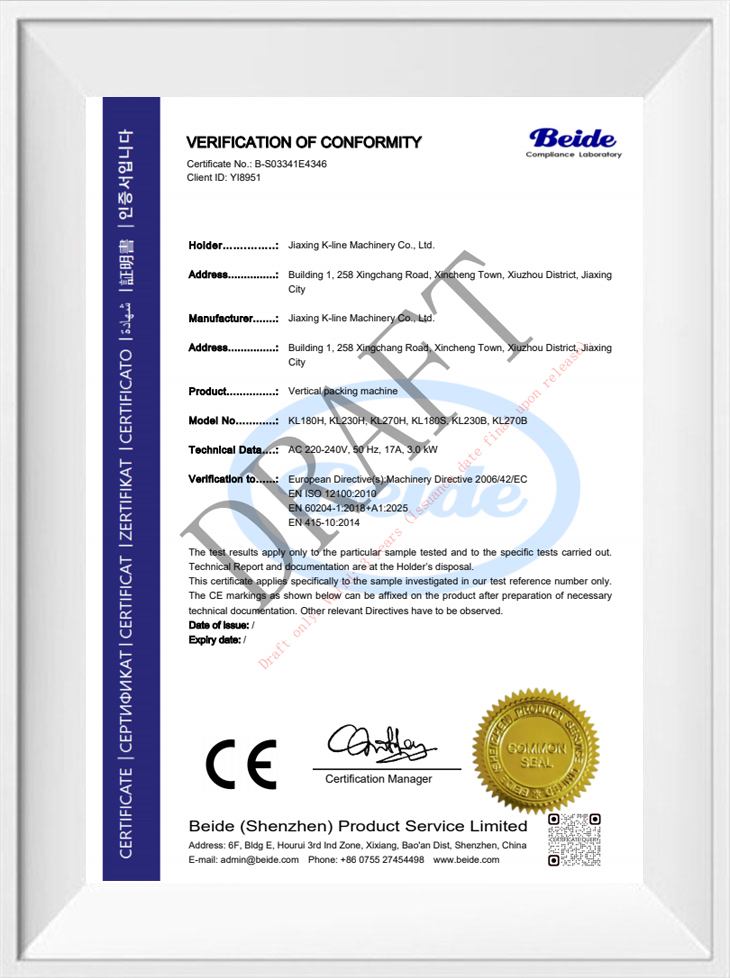
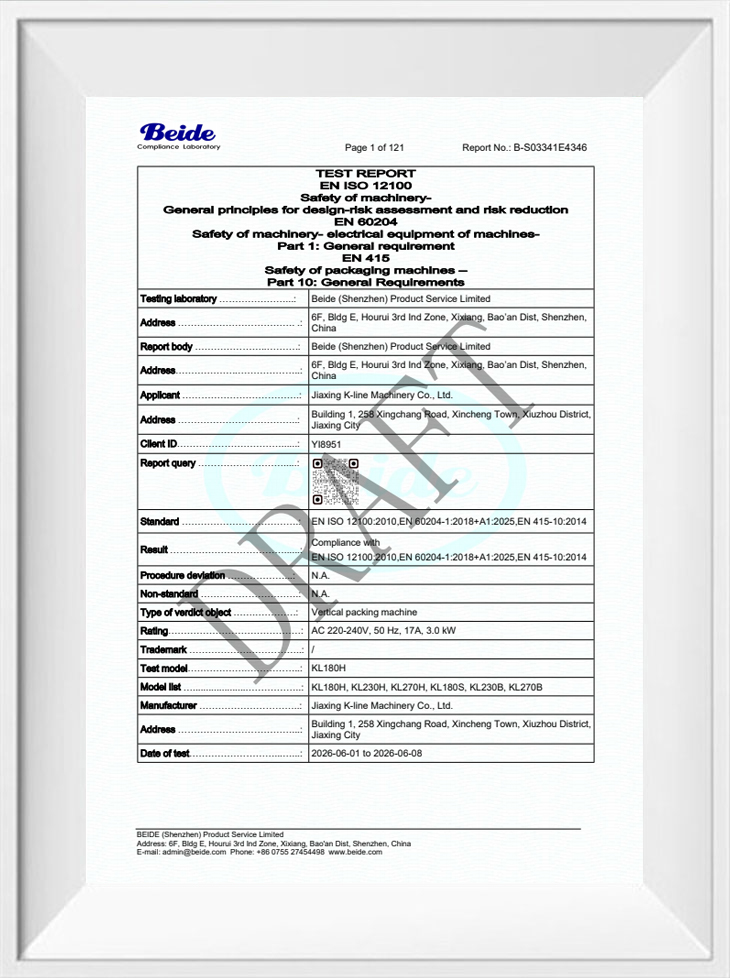
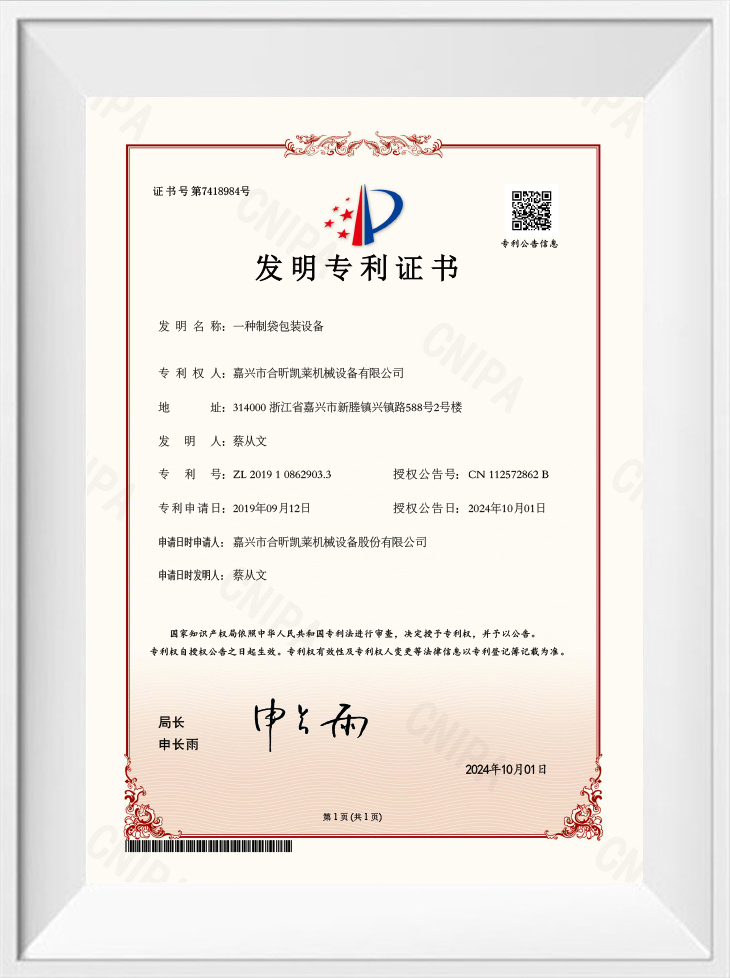
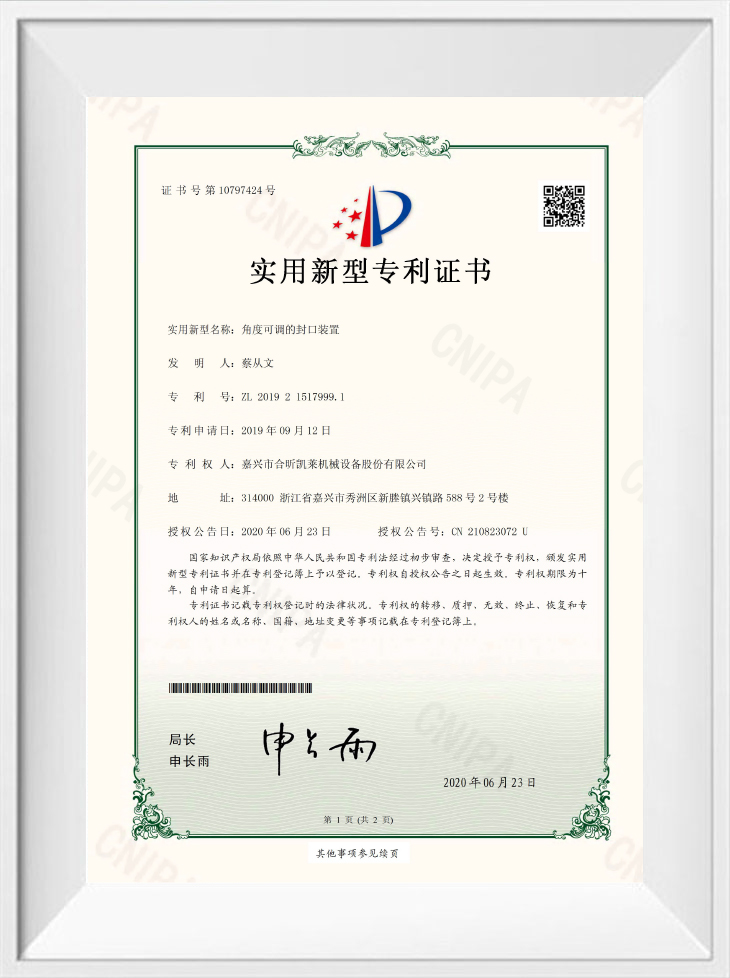
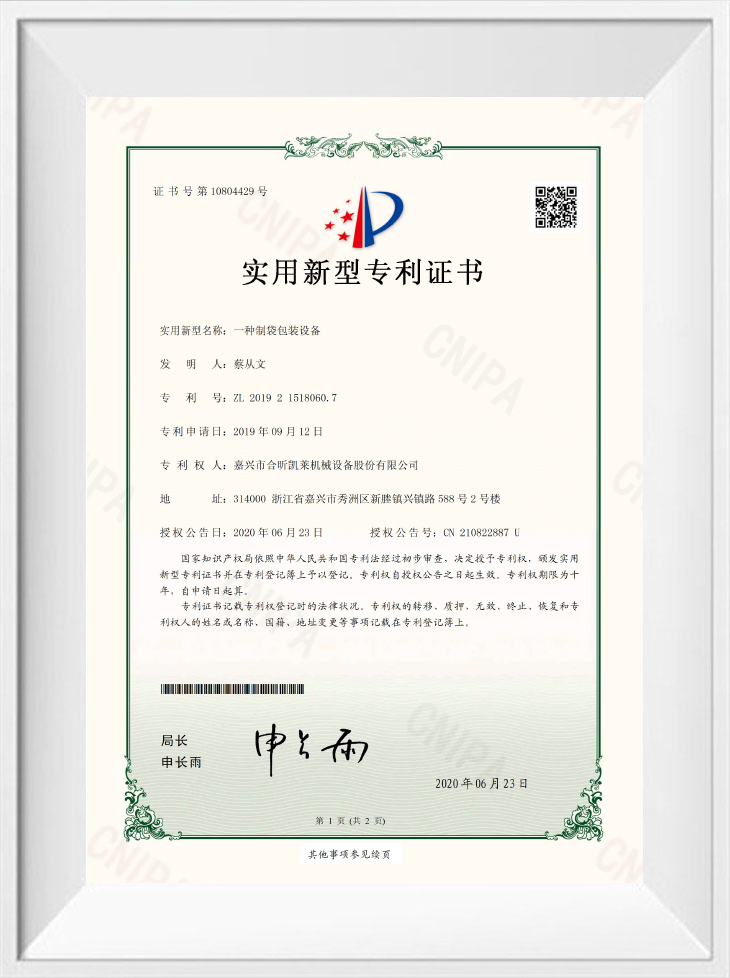
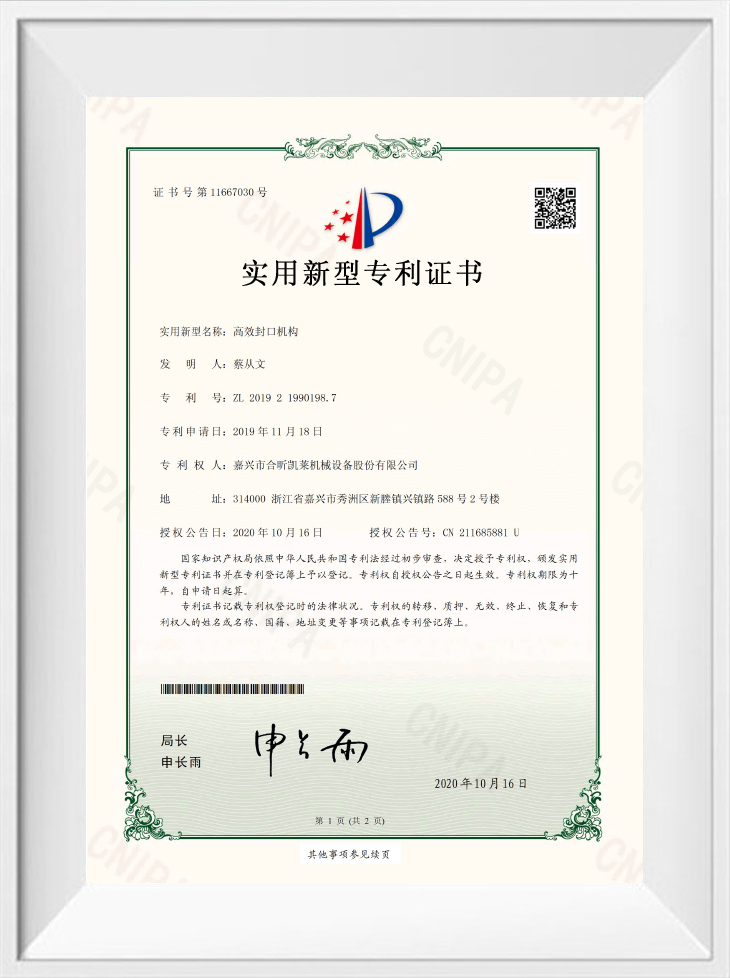
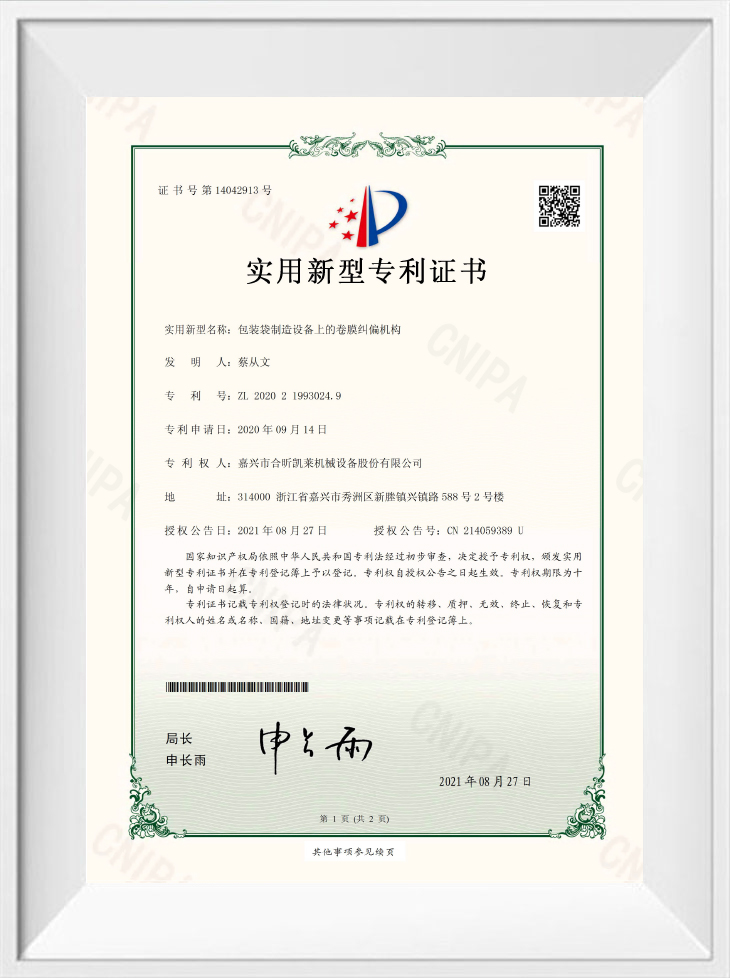
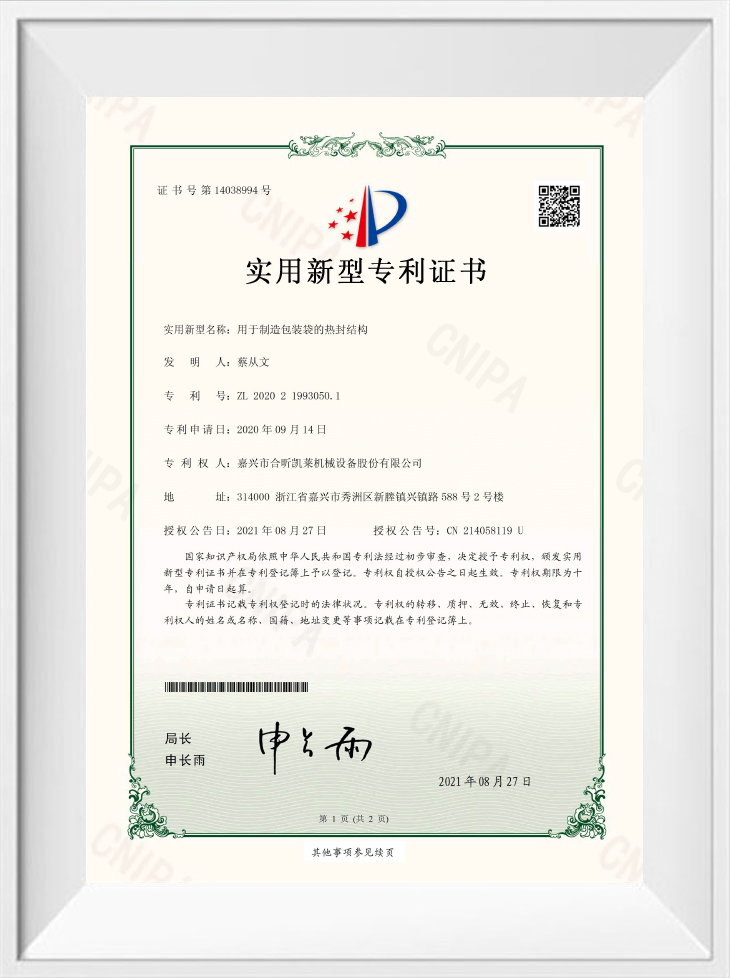
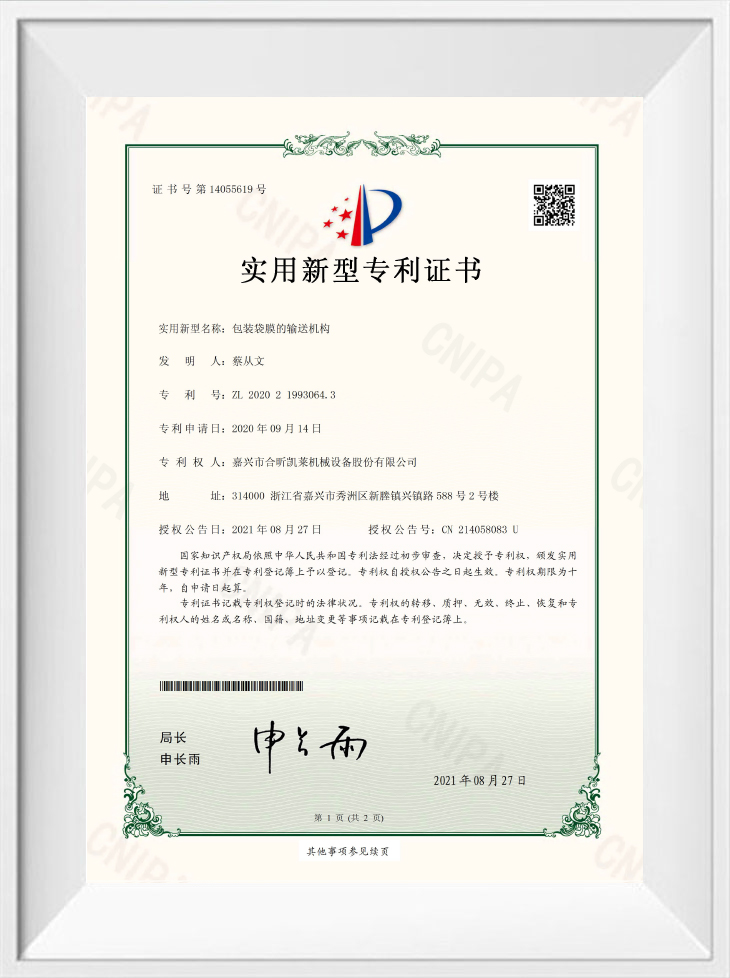
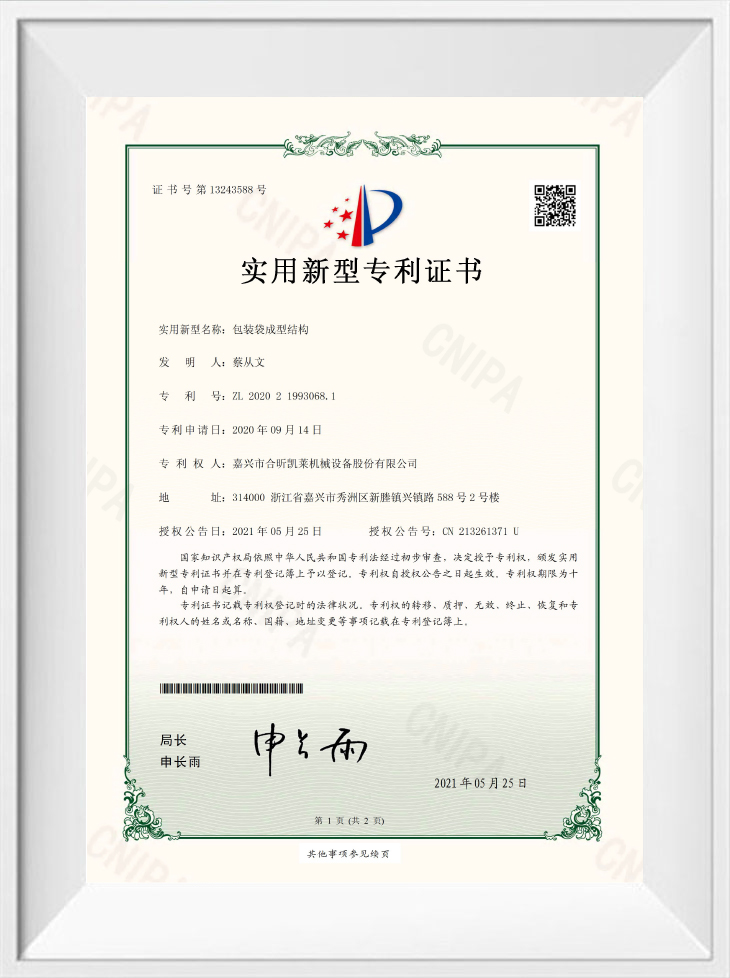
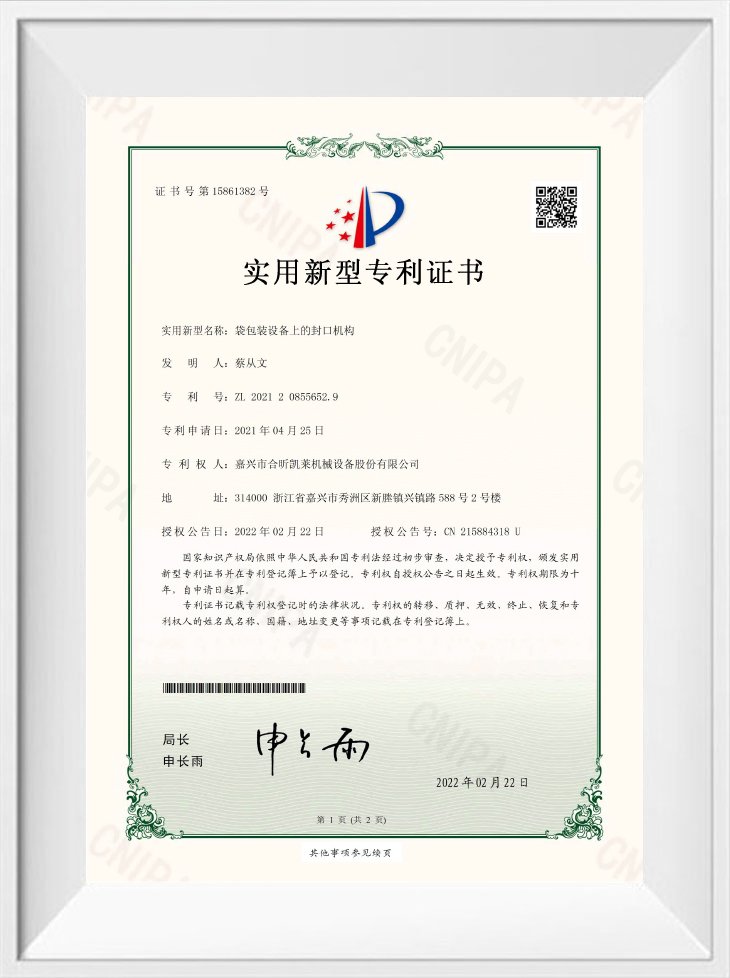
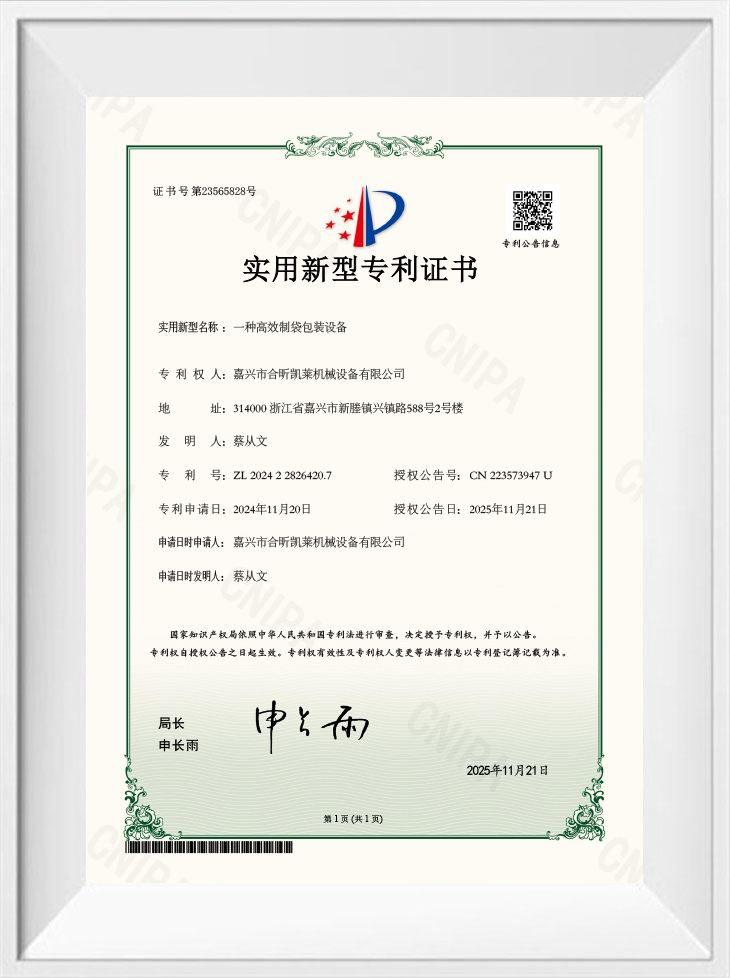
Senior technical staff supervise the entire process from product R&D and design through manufacturing. We are a direct manufacturer and can undertake integrated design and turnkey implementation of full-plant automated packaging systems. Certification records for the machinery range include CE test draft reports and invention/utility model patents.
For each robot cell, the project file includes the layout drawing, line interface description, recipe list and the compliance documentation applicable to the configuration. This gives the installation team a single reference for assembly, wiring and commissioning.
Information we use to configure your solution
To prepare a suitable proposal, we need the parameters that define the robot working point and end effector.
- Product and pack: bag or carton dimensions, weight, bag film type or carton style.
- Line rate: bags per minute or cartons per hour, shift pattern and expected peaks.
- Upstream equipment: vertical packaging machine, premade pouch machine, checkweigher, metal detector and conveyor heights.
- Case and pallet: case size, layers per pallet, pattern per layer, pallet dimensions and maximum load height.
- Site: floor space, ceiling clearance, infeed/outfeed conveyor height, electrical supply and HMI language.
- Line interface: existing PLC/PAC brand, TCP/IP availability and signal handshake requirements.
Proposal basis: we use these data to define reach, payload, end effector, recipe set and line integration scope. The quotation and technical schedule are based on the working point, not a generic robot package.
Frequently asked questions
What is the difference between the collaborative palletizing workstation and the intelligent case packing system?
Both use six-axis collaborative robotic arms. The palletizing workstation is the simpler arrangement for picking and stacking; the intelligent case packing system adds the case handling and conveyor coordination needed for automatic end-of-line operation. We select the platform based on line rate and integration scope.
Can the robot be integrated with our existing vertical packing machines and carton sealing line?
Yes. The system uses TCP/IP communication and real-time speed adjustment to work with upstream packaging machines, conveyors and case sealers. In the proposal we identify the infeed height, signal handshake and case or pallet pattern.
What product types can the case packing robot handle?
The series is designed for carton and bagged products in food, pharmaceutical and daily chemical industries. End-effector selection depends on bag material, product surface, weight and dimensions; carton handling depends on case size and lid condition.
How many product recipes can be stored?
More than 1000 recipes with Chinese/English naming and recipe search. Intelligent automatic sampling parameter setting and real-time speed adjustment reduce changeover time and repeated manual programming.
What site information do you need for a quotation?
We need product dimensions and weight, line rate, pallet size and stack pattern, conveyor heights, available space, ceiling clearance, electrical supply and the upstream machines feeding the robot. With this data we configure the working point and end effector.
What ongoing maintenance does the robot require?
Groove cam mechanisms are made of 20CrMnTi with hardness HRC55-60 and integrated lubrication, which reduces routine grease points. Our after-sales support covers remote troubleshooting and spare parts; the maintenance plan in the handover file defines inspection intervals for the robot cell and end effector.

 English
 中文简体
 Español
 русский