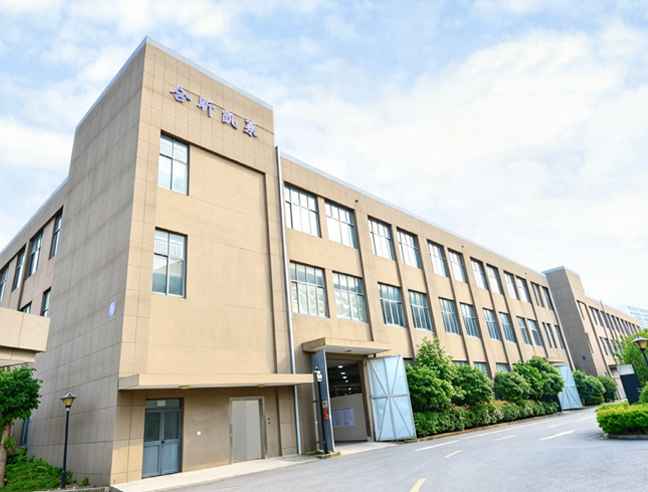
Jiaxing K-Line Machinery Co., Ltd. designs and builds feeding cart conveyors as part of our System Equipment family. A feeding cart conveyor is a mobile transport platform that carries material to one or more packaging stations, so feeding positions and conveying paths can be adjusted as production needs change. We supply it as a stand-alone unit, as part of a conveying package, or inside a complete turnkey line from our Product range. As a Feeding Cart Conveyor Manufacturer, we control the mechanical build, drive selection, safety interfaces and control integration in our own factory.
Where Feeding Cart Conveyors Fit
These conveyors are most useful when a line has more than one packaging machine, or when fixed conveyors cannot reach every inlet. They are also specified for plants that change product routing between shifts or seasons. The cart moves along a defined path and stops at discharge positions, which improves line flexibility and space utilization compared with permanent conveyor runs.
- Multi-machine feeding: one cart with multiple discharge sections serves several bagging lines.
- Flexible layouts: feeding position and path can be changed without rebuilding fixed conveyor supports.
- Space-constrained plants: mobile design keeps access aisles clear and simplifies service.
- Product changeover: transfer points and hopper geometry are configured for the product family.
Typical upstream equipment includes Z-type elevators, vacuum loaders, screw elevators and multi-outlet conveyors. Downstream is usually a weighing system or a vertical packaging machine. We integrate the cart with these machines so the total flow is controlled, not just the conveyor itself.
Configuration and Engineering Options
The cart is not a standard conveyor with fixed dimensions. We configure it around the working point, material and production target. The table below shows the main decisions we make with you on every project.
| Project data |
What we evaluate |
Why it matters |
| Product characteristics |
particle size, bulk density, flowability, moisture, temperature |
sets belt profile, hopper angle, transfer points and drive sizing |
| Source and discharge positions |
distance, height difference, number of stops, curves |
defines travel path, cart length, discharge sections and controls |
| Throughput target |
kg/h or bags/min, batch size, dwell time at each stop |
sets belt speed, motor power, acceleration and stop accuracy |
| Line integration |
existing PLC, upstream elevator, weigher and packaging machine interfaces |
defines interlocks, demand signals and safety logic |
| Sanitation level |
food contact, washdown, dusty or corrosive environment |
selects stainless or food-grade surfaces, sealing and frame construction |
Materials, Safety and Quality Control
Contact parts are supplied in food-grade polymer or 304 stainless steel for food and pharmaceutical applications. Carbon steel construction is available for chemical, hardware and other non-food products. We select the frame, belt, hopper and guarding based on washdown, dust and operating environment.
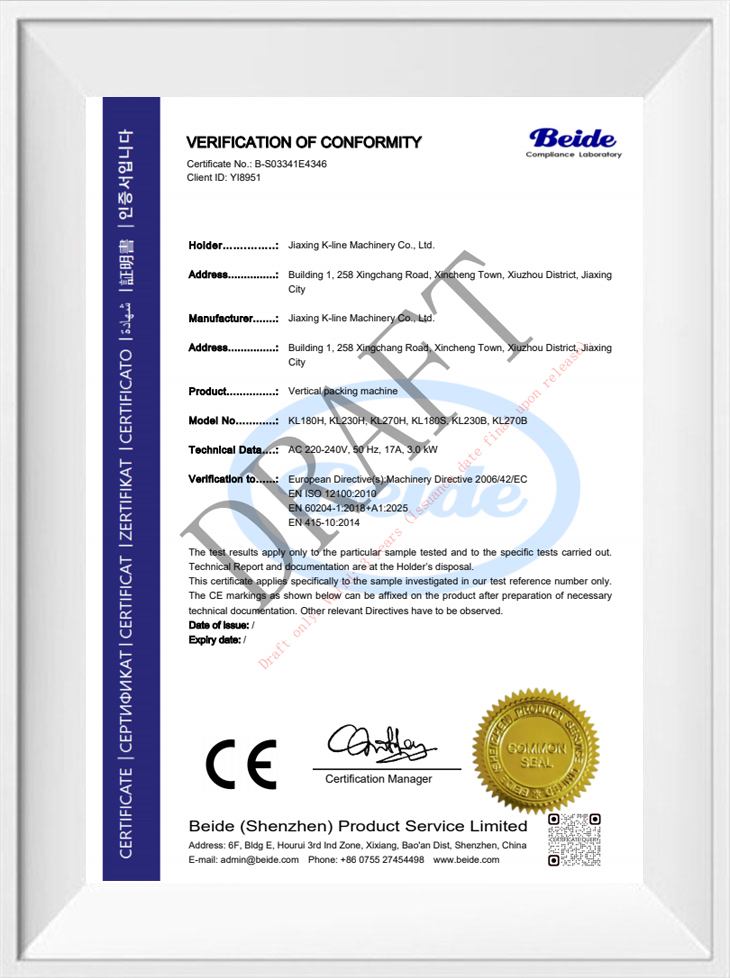
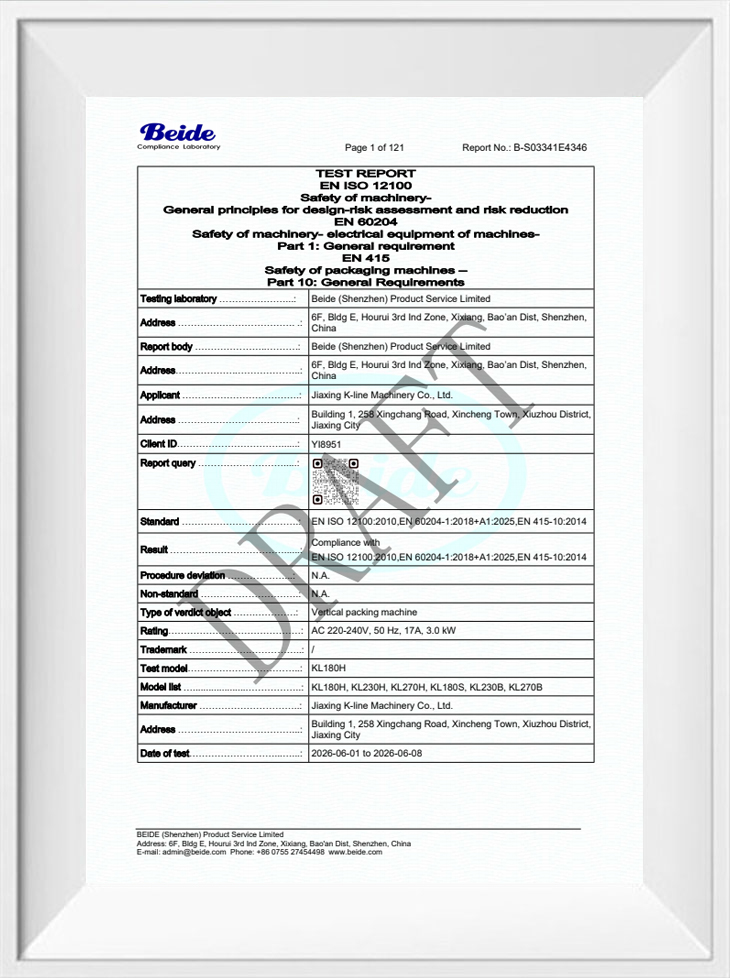
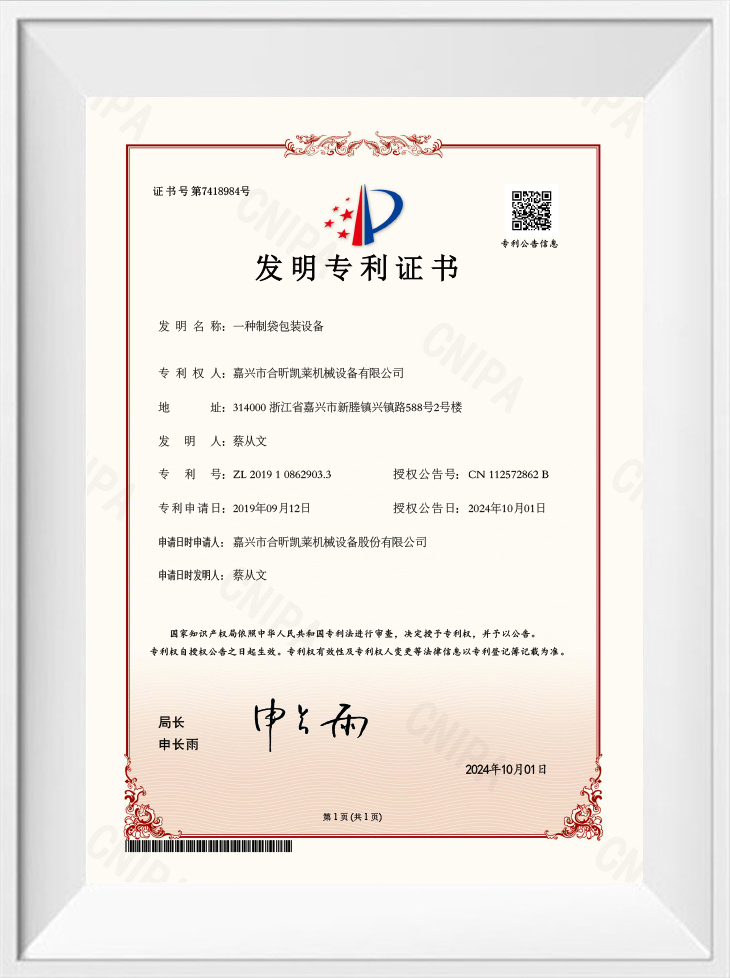
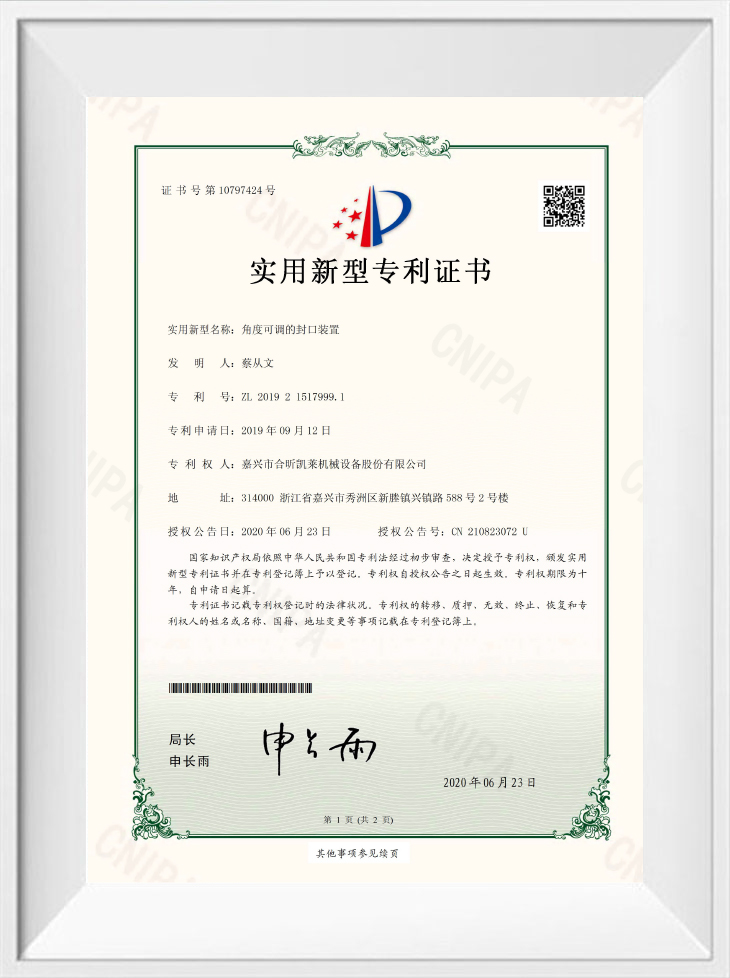
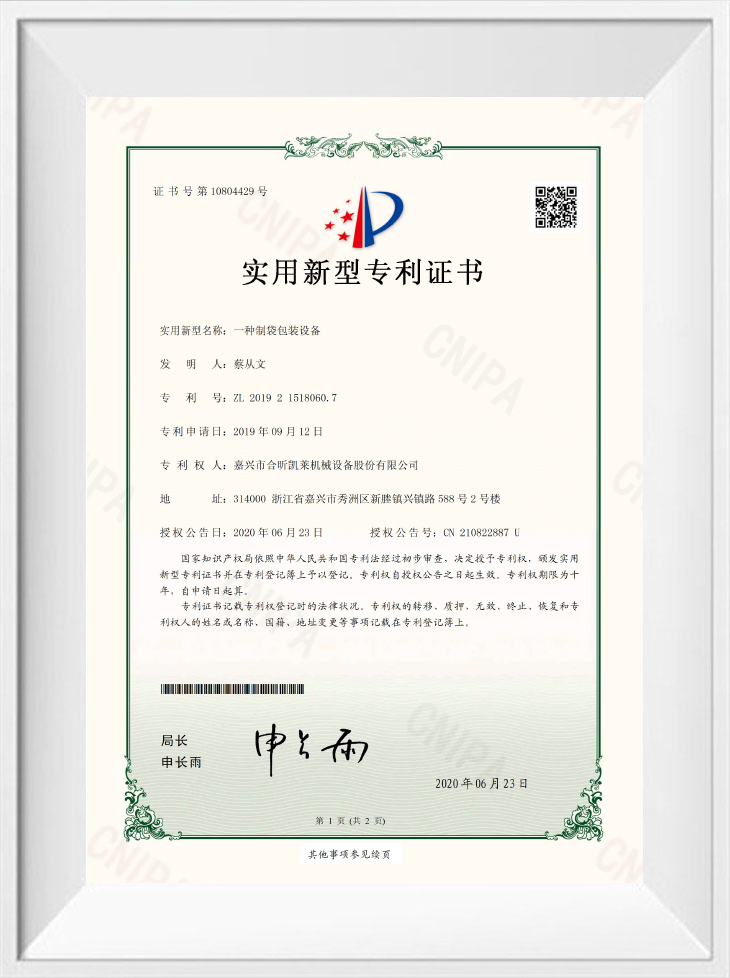
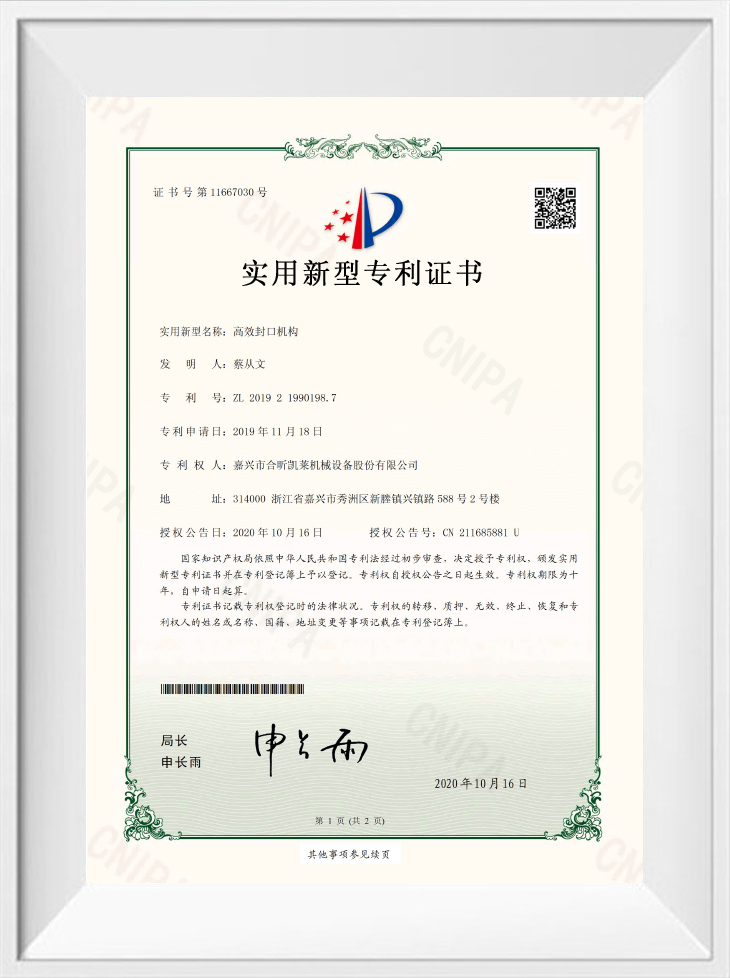
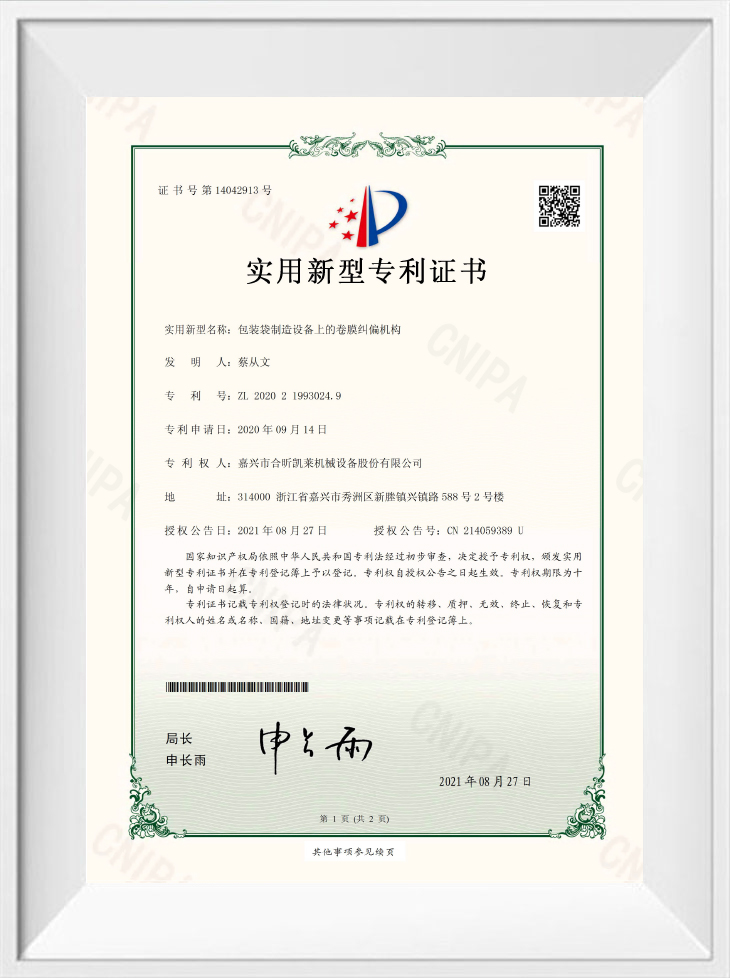
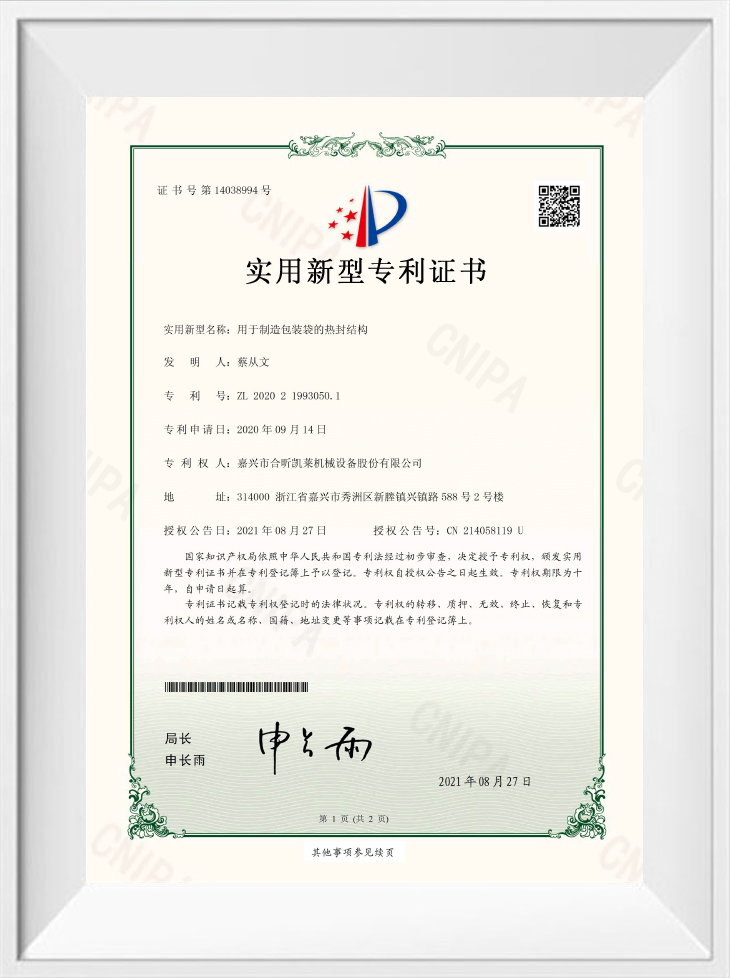
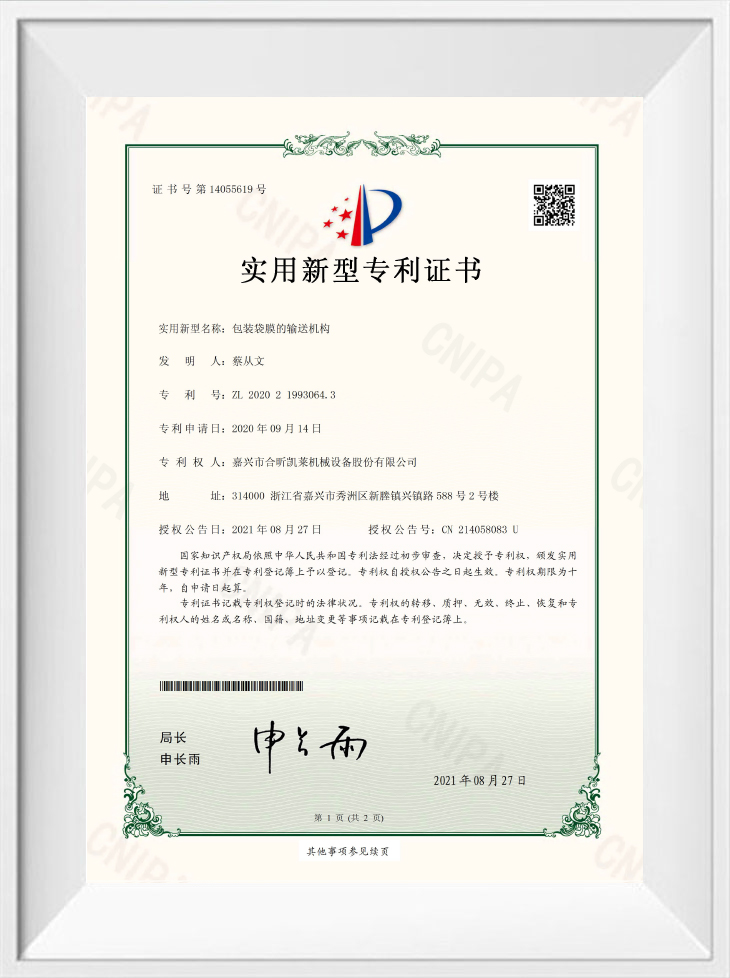
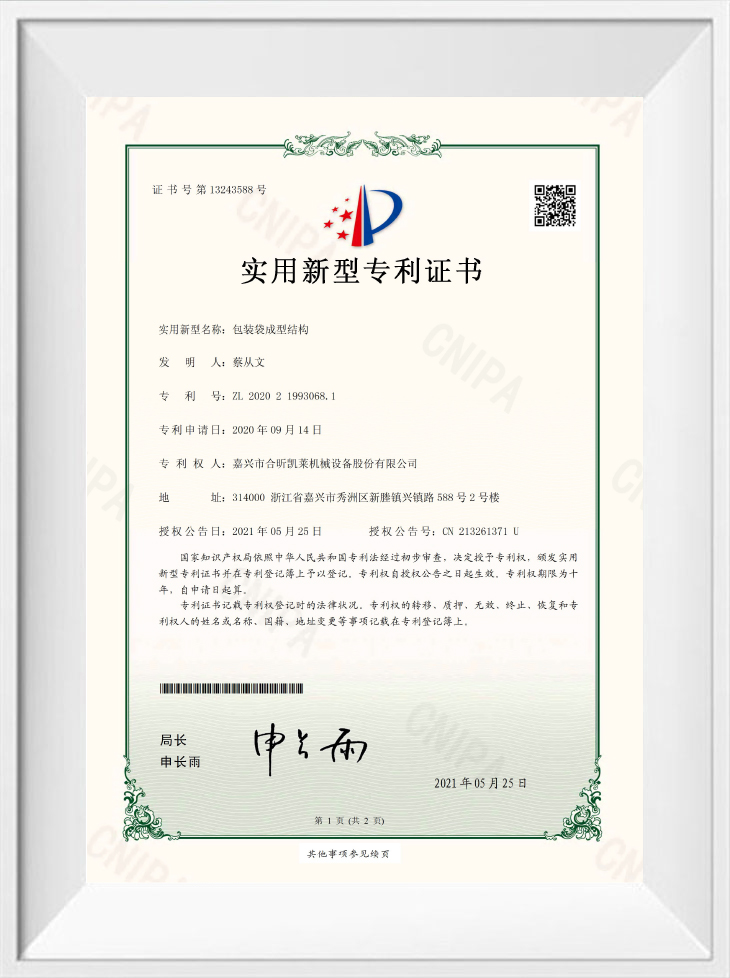
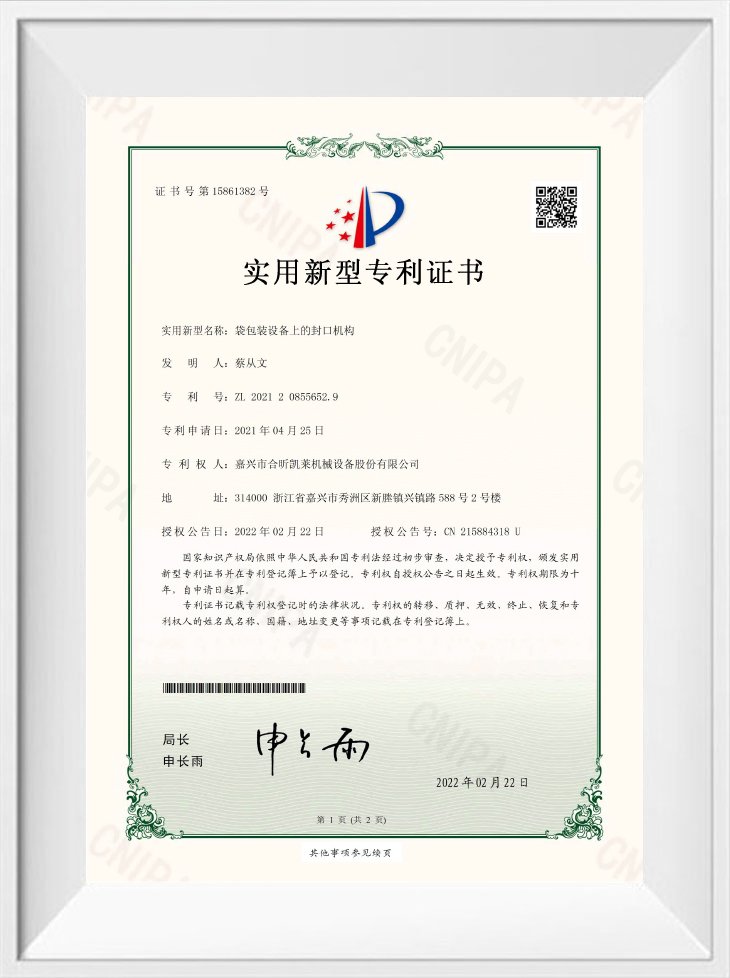
Safety is built into the control design. Emergency stops, travel limit switches, guarding around discharge points and interlocking with packaging machine guards are part of the supply scope. Our senior technical staff supervise R&D, design and manufacturing, and the cart is checked for travel, belt tracking, stop position and interlock function before shipment. CE documentation, test draft reports and utility model patents are maintained for the equipment families we build.
Integration with Your Packaging Line
Each system receives PLC-based control configured around the line interface. The cart responds to demand signals from packaging machines, weighers and upstream feeding equipment. For multi-machine lines, we sequence stops so the cart delivers material only where it is requested, avoiding unnecessary travel and reducing wait time.
When a weighing system is between the elevator and packaging machine, we match the discharge height, dwell time and transfer geometry to the weigher infeed. We also provide electrical interface drawings and control descriptions for your electrician or integrator. This is the same integration approach we use for full-plant automated packaging systems.
Installation, Documentation and Acceptance
We supply layout and foundation drawings, technical documentation and commissioning support. During commissioning we verify belt tracking, travel path, stop accuracy, safety devices and interlocks. Operator and maintenance training is included in the handover. Our standardized full-cycle after-sales service covers spare parts, remote support and field service coordination.
Information We Use to Configure Your Solution
To prepare a configuration and quotation, we need the project data listed below. We use this information to size the cart, define the travel path, select materials and design the control interface.
- Product: name, bulk density, particle size, flowability, moisture and temperature
- Throughput: target in kg/h or bags/min, batch size, and number of stops per cycle
- Layout: distance and path between source and discharge positions, height differences, floor conditions
- Machines: number and brand of packaging machines, weighers or elevators to be interfaced
- Controls: existing PLC brand if the cart must connect to a current line
- Utilities: voltage/frequency, air supply and washdown availability
- Hygiene: food contact, dust, corrosive or washdown requirements
Feeding Cart Conveyor FAQs
Can a feeding cart conveyor feed more than one packaging machine?
Yes. The cart travels along a defined path and stops at each discharge position. We sequence the stops from the packaging machines' demand signals so material is delivered only where it is needed.
What materials can the conveyor handle?
The system is suited to granules, powders, nuts, snack pellets, frozen pieces, agricultural products, chemical materials and hardware. We ask for flow characteristics because belt profile, hopper angle and transfer geometry are selected around the product.
How is the cart controlled?
The cart is PLC-controlled and interlocked with the line. It can receive start and stop signals from packaging machines, weighers and upstream elevators. We adapt the interface to the existing control system or provide a complete control panel for new lines.
What construction materials are used?
Food-contact surfaces are supplied in food-grade polymer or 304 stainless steel. Carbon steel is available for non-food industrial products. The frame, guarding and drive components are selected according to washdown, dust and operating environment.
Do you supply only the conveyor or the complete packaging line?
Both. We can supply the feeding cart as a single machine or integrate it with elevators, multi-head weighers, vertical packaging machines, checkweighers and case packing equipment as part of a full-plant solution.

 English
 中文简体
 Español
 русский