Jiaxing K-Line Machinery Co., Ltd. builds the Packaging Auxiliary Equipment Manufacturer range that keeps automated packaging lines moving from bag discharge to sealed case. Alongside our vertical baggers, premade pouch fillers, multi-head weighers and inspection equipment, we supply output conveyors, rotary sorting tables, case unpackers, carton sealing machines, coding machines, and automatic oxygen absorber, desiccant and counting units. These machines share one design goal: continuous, synchronized product flow for food, daily chemical and pharmaceutical packaging operations.
As a China packaging line auxiliary equipment factory, we produce these units under the same engineering structure as our main packaging equipment. Frames are built in 304 stainless steel or carbon steel, and food processing machinery hygiene standards are applied where product contact occurs. We deliver individual machines or coordinated packages with the primary packaging line.
What Our Auxiliary Equipment Range Covers
Our auxiliary equipment family spans eight product types. Each one is selected around the working point of the upstream packaging machine and the downstream case packing operation.
| Unit |
Function |
Typical Fit |
Line Role |
| Oxygen Absorber Inserting Machine |
Automatically dispenses oxygen absorber sachets into packages before sealing |
Shelf-stable foods that need controlled oxygen levels |
Interlocked with the bag former or pouch filler |
| Desiccant Inserting Machine |
Feeds desiccant packs into the package stream |
Moisture-sensitive food, pharmaceutical and electronics packaging |
Synchronized with the filling or sealing cycle |
| Double Outlet Vibratory Bowl Counting Machine |
Counts granules, capsules or small parts and diverts them through two outlets |
Precision-count applications before bag filling |
Feeds the packaging machine or upstream inspection |
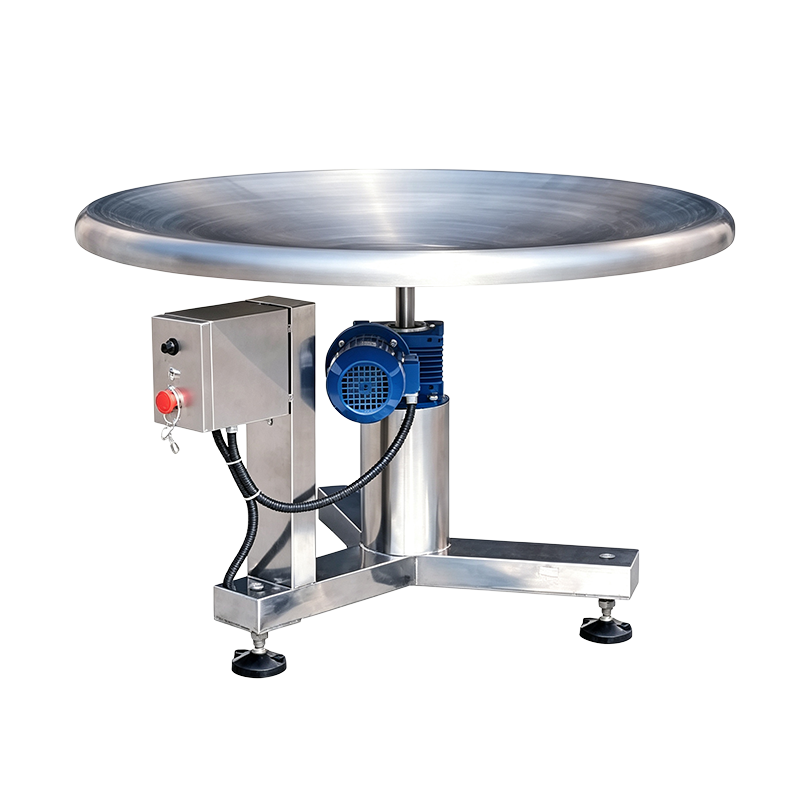
| Rotary Table |
Provides a rotating platform for manual inspection, buffering or diverting |
Lines that need operator access between bagger and case packer |
Accepts packs from the output conveyor and directs them onward |
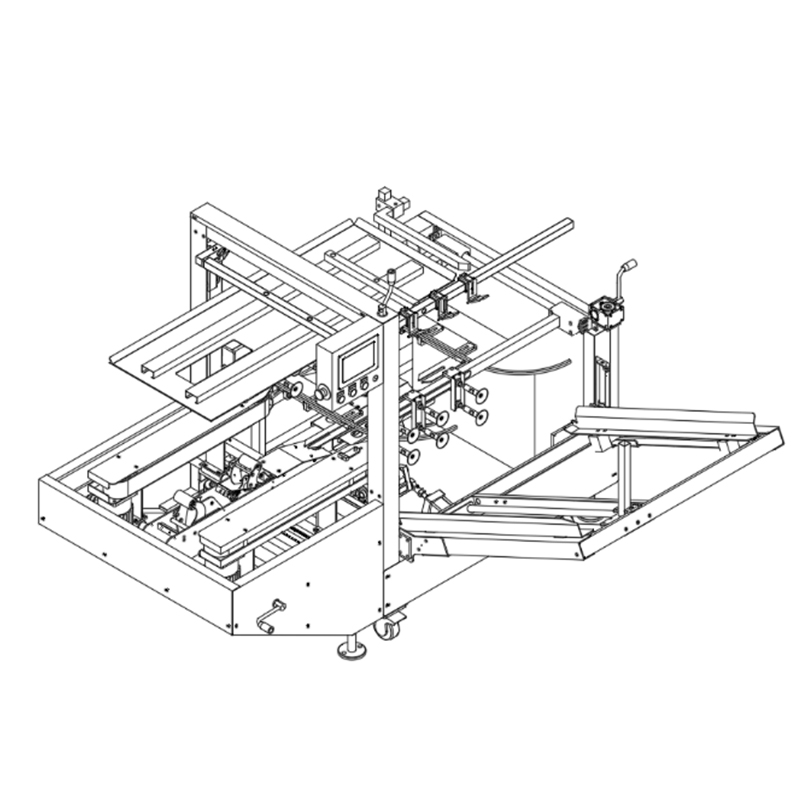
| Case Unpacker |
Erects flat cases and opens flaps for loading |
Secondary packing before hand or robot loading |
Feeds the carton sealer or case packing robot |
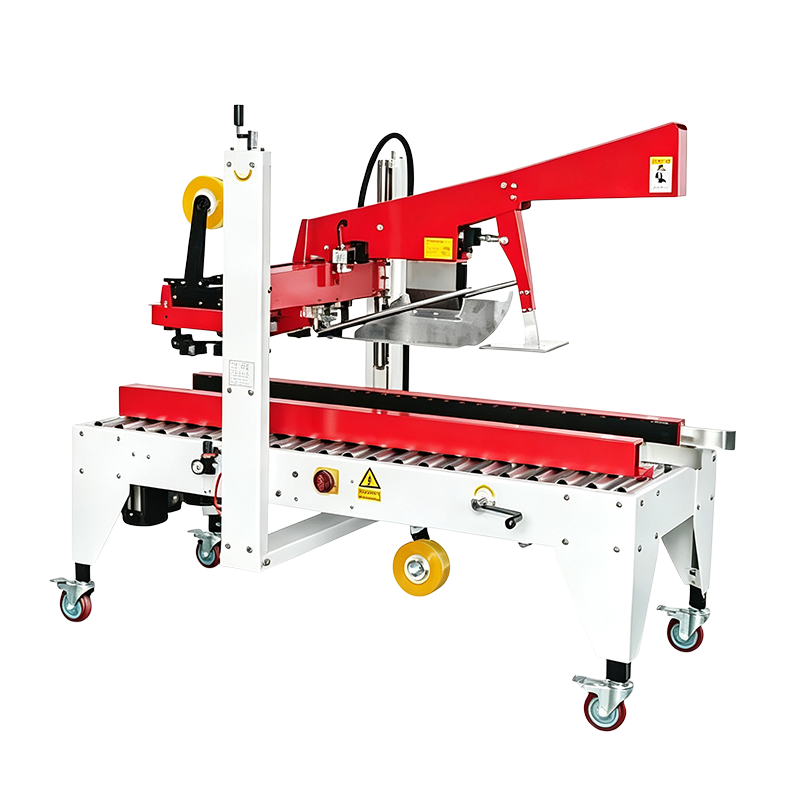
| Carton Sealing Machine |
Folds top and bottom flaps and seals cases with tape |
Final case closing for RSC cases |
Receives loaded cases and closes them |
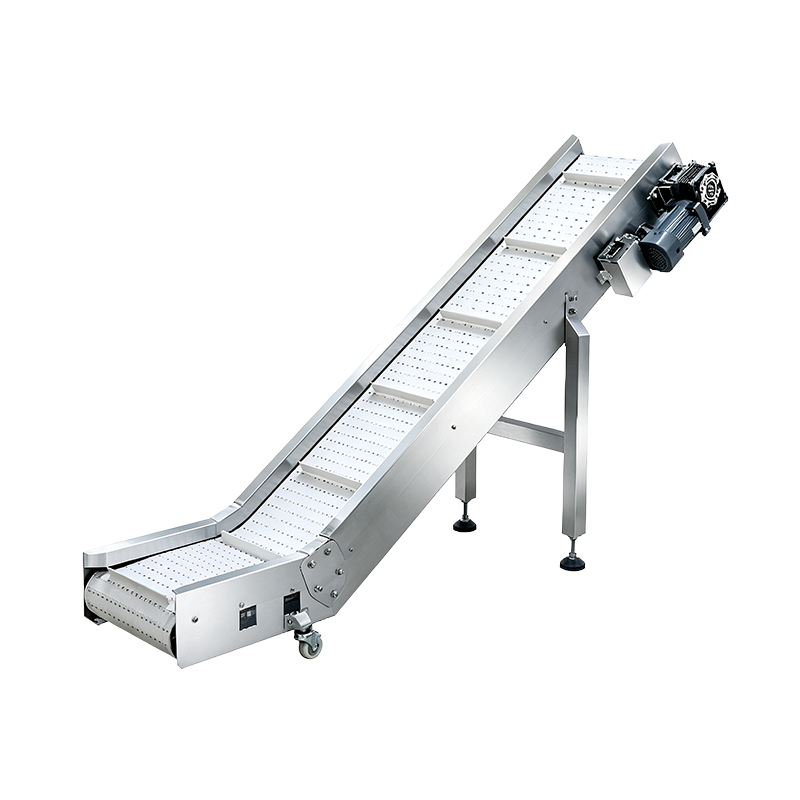
| Output Conveyor |
Transfers bags or pouches from the packaging machine to the next stage |
Any line with inspection, accumulation or manual case packing |
Height and speed matched to the upstream discharge |
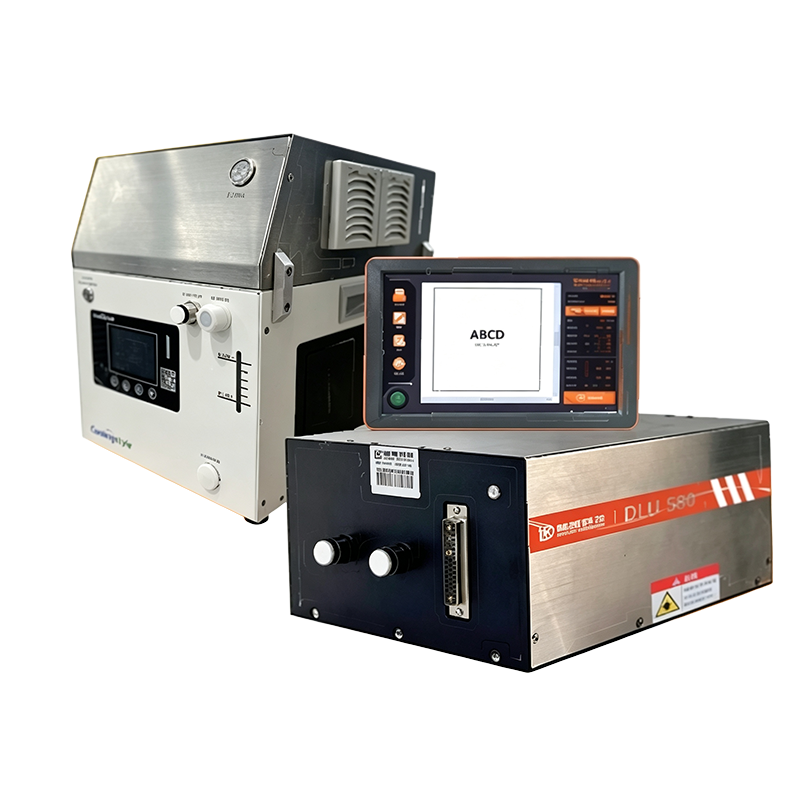
| Coding Machine |
Prints date, batch, lot and traceability codes; UV laser versions available |
Food, chemical and pharma lines with traceability requirements |
Mounted on the conveyor and triggered by encoder or photoelectric sensor |
Where the Range Fits in a Complete Line
An auxiliary unit earns its place when pack flow remains stable at the required speed. We therefore configure auxiliary equipment together with the main machines, not as an isolated purchase.
- After a Vertical Packaging Machine, the output conveyor is matched to bag length, drop height and sealing rhythm so bags do not distort or collide.
- With an Automatic Premade Pouch Packing Machine, the counting or inserting unit is synchronized with the pouch index so sachets land in the correct position.
- When supplied inside a full Packaging Equipment package, all auxiliary machines share a common control philosophy and line speed calculation.
We have applied this range across confectionery, puffed food, biscuits, powder materials, nuts, frozen food, agricultural and sideline products, chemical materials and hardware products. For each industry, the proposal is built around pack size, output, case format and the hygiene or corrosion requirements of the plant.
Configuration Approach and Critical Specifications
Every auxiliary machine starts from four numbers: product dimensions, pack weight, line speed and case size. From those values we select conveyor length, table diameter, sealer head clearance, coding print area and sachet feeder timing. We also confirm available floor space and target output, because a machine that fits the line is as important as one that runs at the right speed.
- Product and pack dimensions: bag or pouch width, length, weight and seal position
- Case format: RSC size, flap style and tape width
- Line speed: bags per minute and acceptable short-term surge
- Code requirements: content, character height, placement and readability standard
- Site conditions: available floor area, conveyor height, power and compressed air
- Hygiene level: 304 stainless steel for food, daily chemical and pharma contact; carbon steel for non-contact structural parts
For inserting and counting machines, we also need the sachet or counted-piece size and the exact number per package. For coding machines, the code format and package orientation determine the trigger and mounting bracket.
Controls and Automation Integration
Control integration is where auxiliary equipment succeeds or fails. On our lines, the packaging machine, weigher, checkweigher, conveyor and sealing machine exchange basic signals through PLC and sensor interlocks. The inserting or counting machine is held in sync with the packaging cycle, while the coding machine receives a trigger from an encoder or photoelectric sensor. Speed changes at the bagger are communicated so the conveyor and rotary table do not create gaps or back pressure.
We configure the control system around the required line interface. Where existing machines are already installed, we adapt signal levels, timing and operator HMI language to keep the auxiliary equipment consistent with plant practice.
Materials, Quality Assurance and Compliance
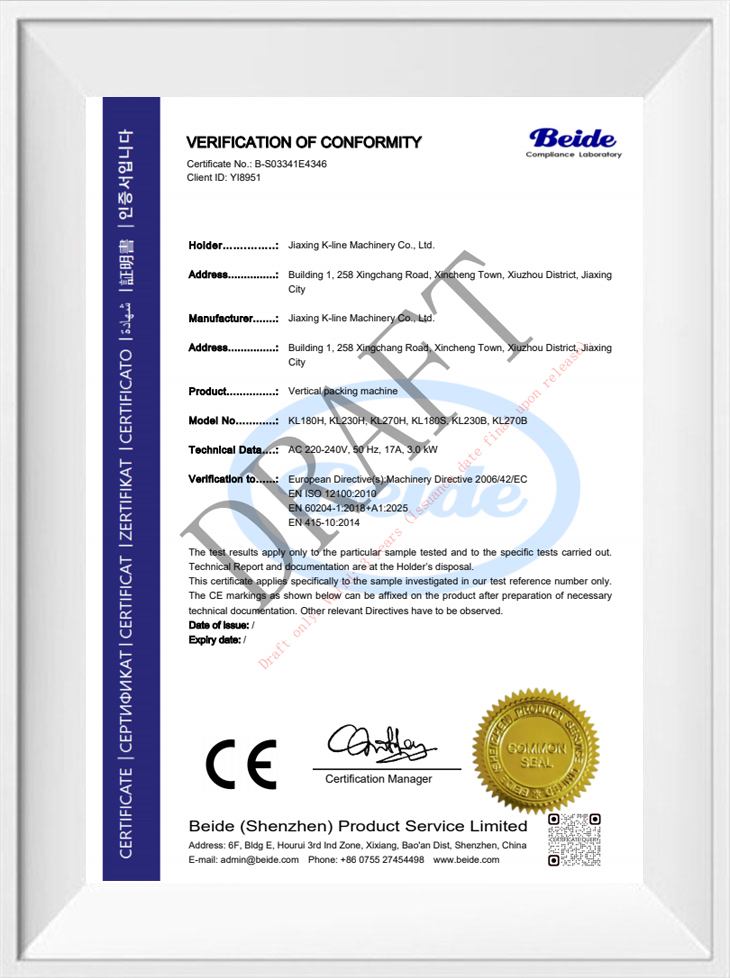
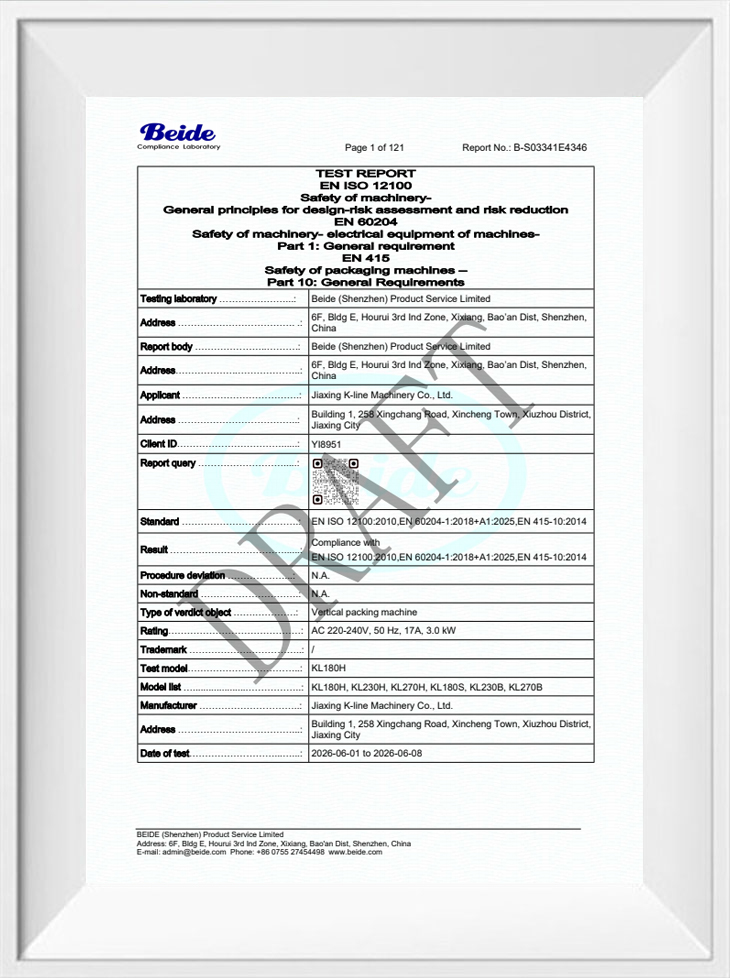
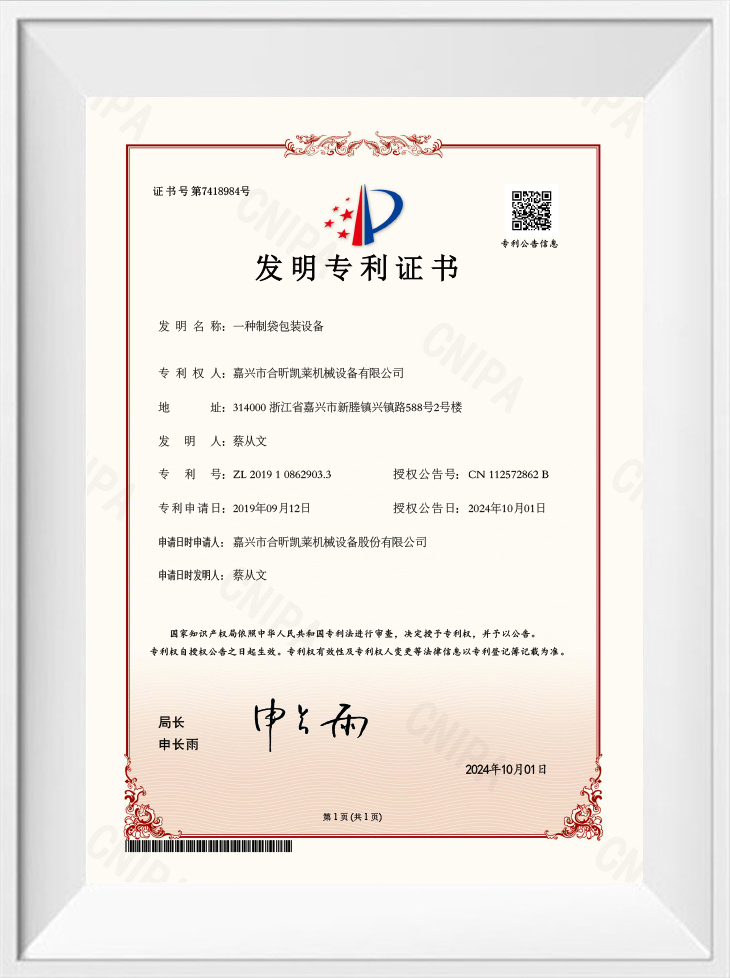
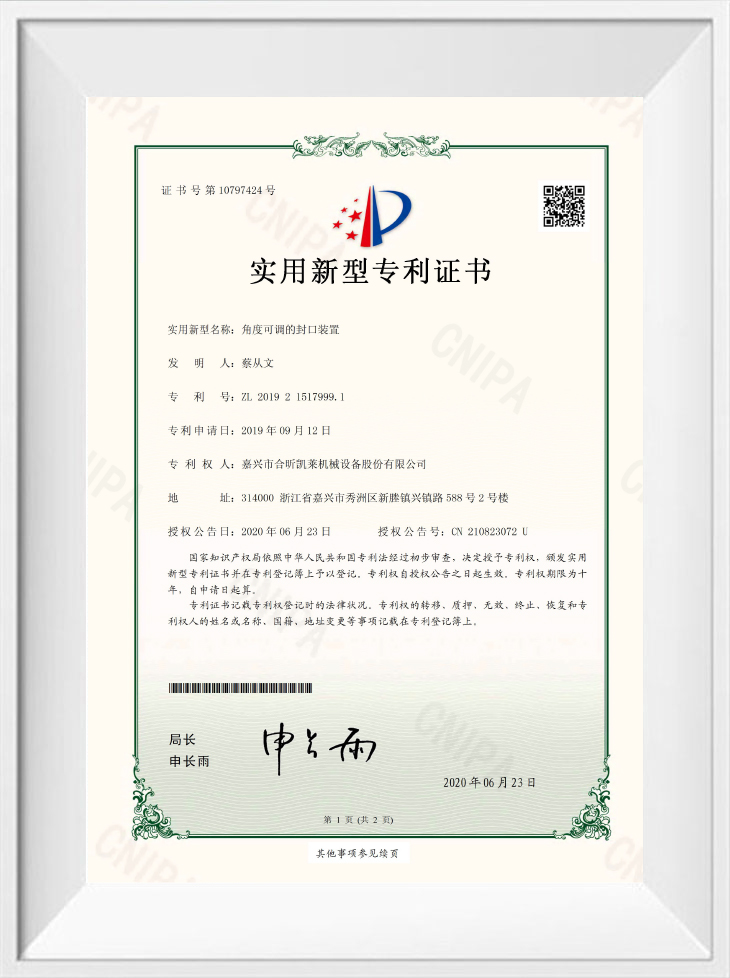
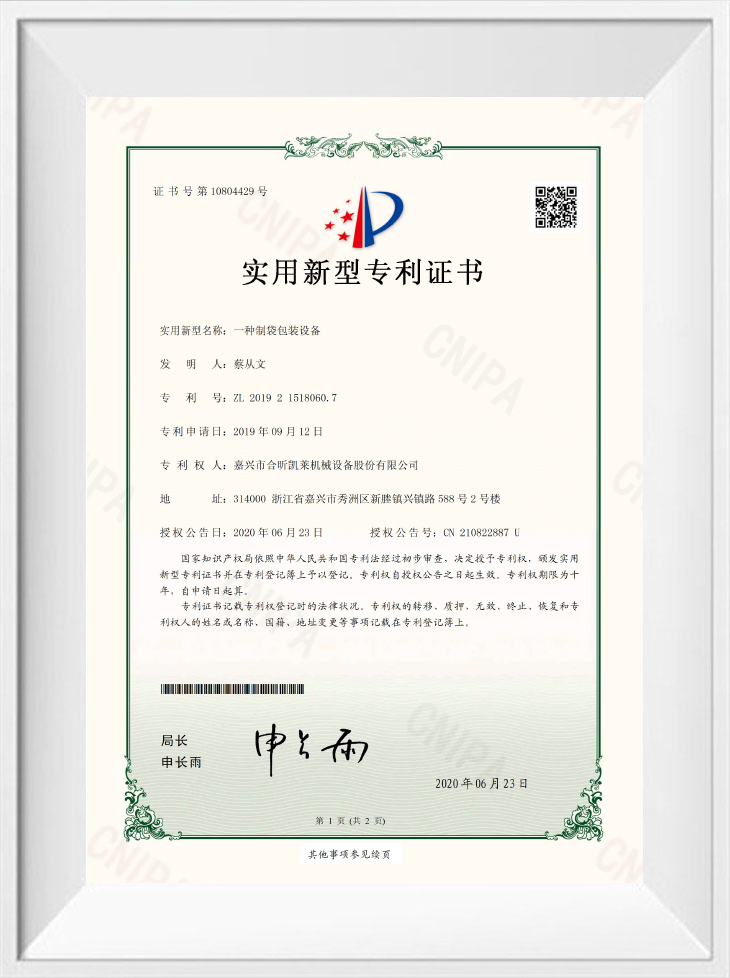
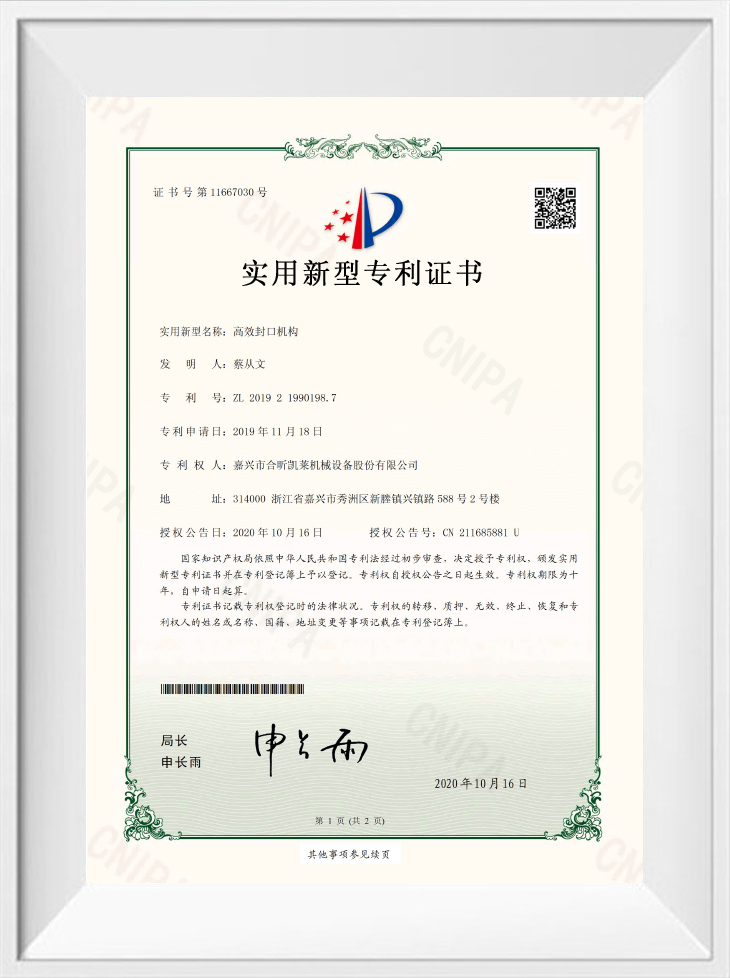
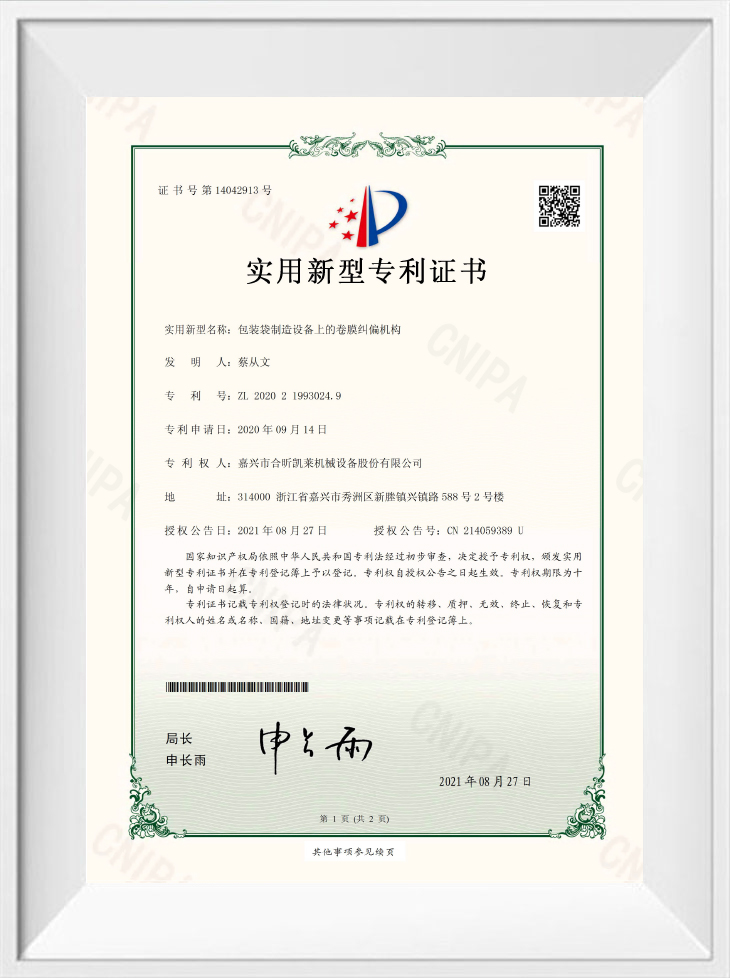
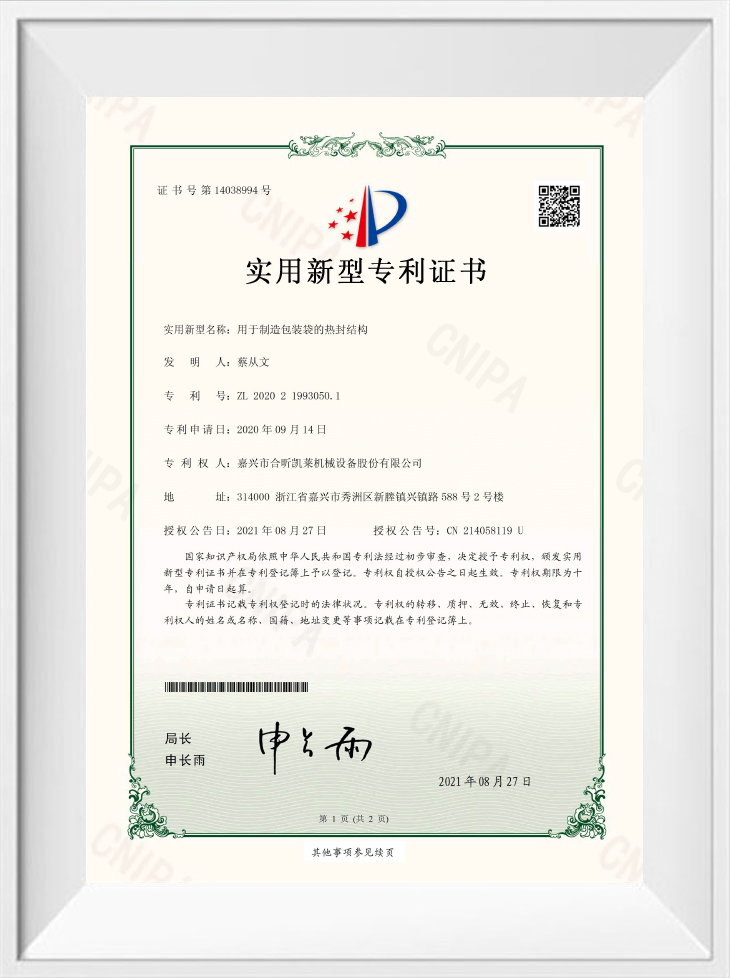
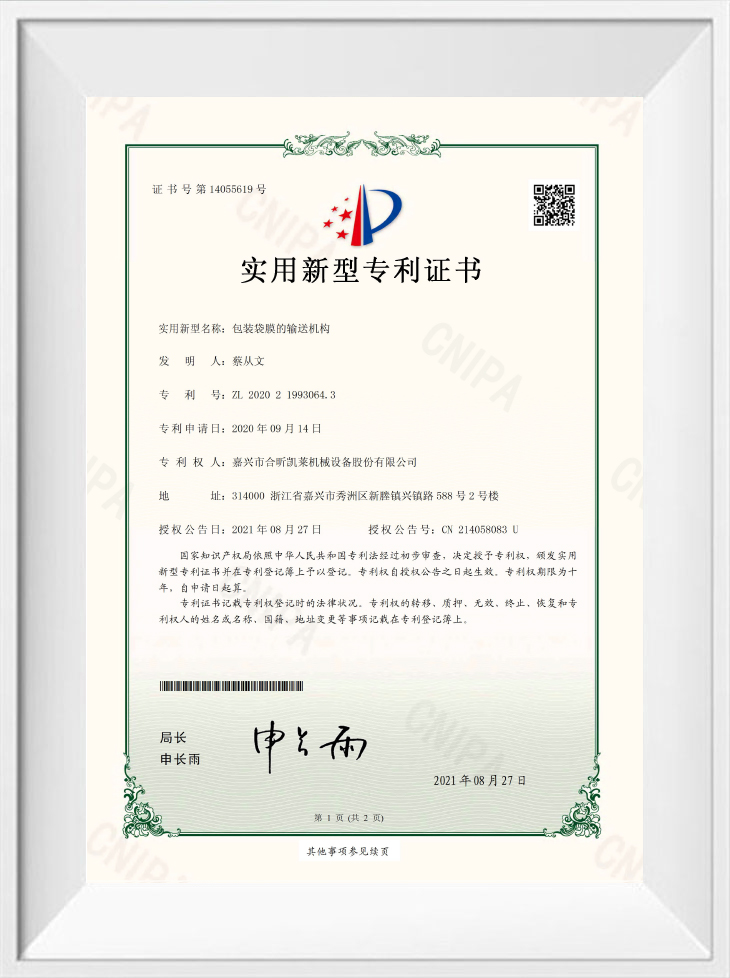
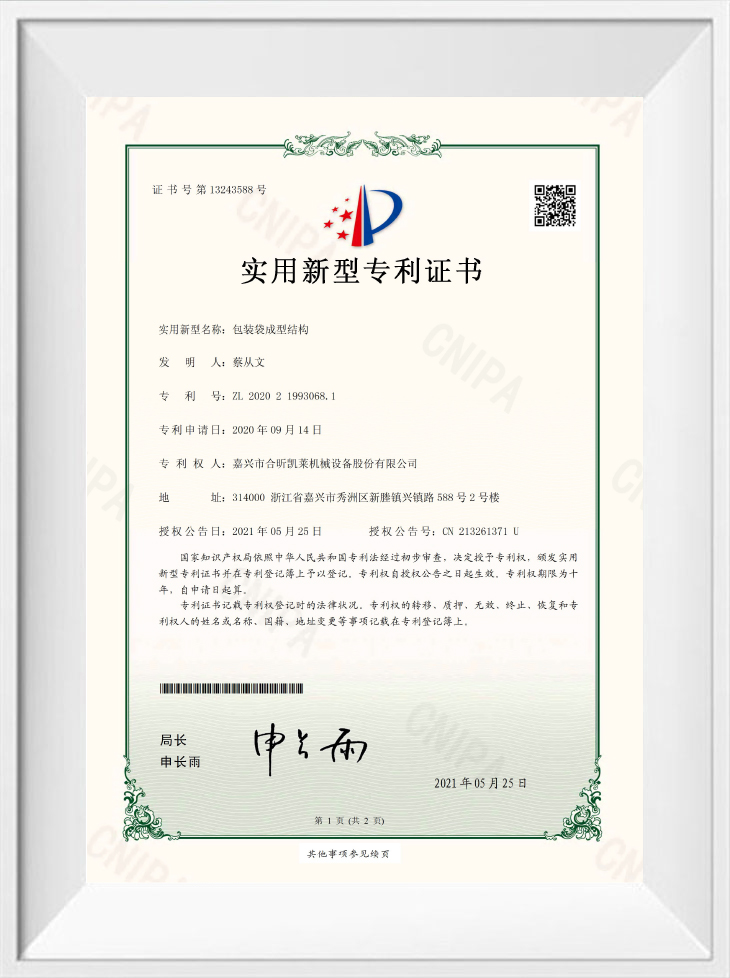
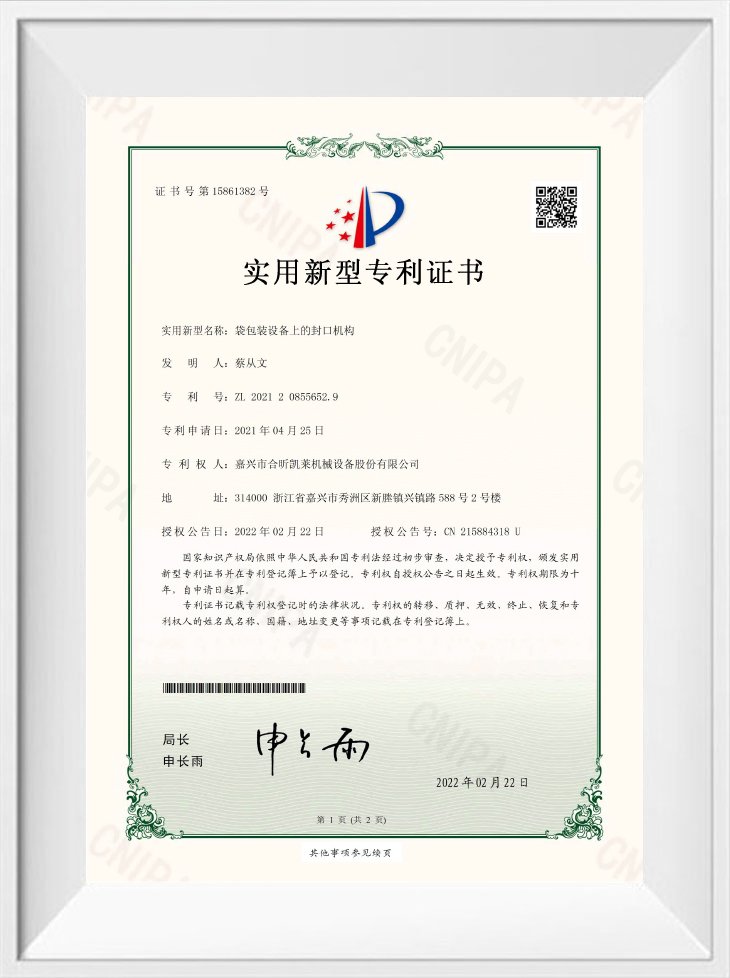
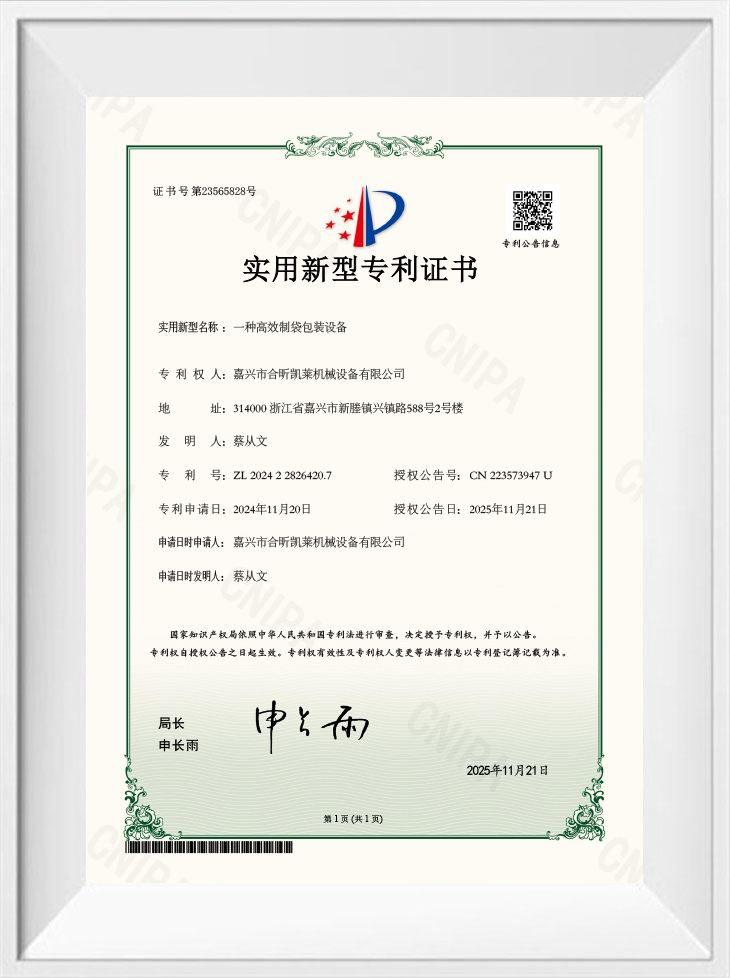
304 stainless steel is used for product-contact and hygiene-sensitive surfaces; carbon steel is available for structural frames where corrosion resistance is not critical. The material split is confirmed during specification and stated in the project file. Senior technical staff supervise the full R&D, design and manufacturing process, and for applicable models the compliance file includes CE-type test draft reports and invention or utility model patents.
Each proposal defines the material, function and acceptance conditions of the machine so the delivered equipment matches what was quoted. This approach keeps auxiliary units aligned with the quality expectations of food, pharmaceutical and chemical customers.
Installation, Maintenance, Documentation and Spare Parts
Machines are prepared for the delivery scope: some customers install in-house, while others request our team to supervise installation and commissioning. Our proposal states what is included. We provide installation, operation and routine maintenance documentation with the machine, and our standardized full-cycle after-sales service system covers remote troubleshooting and spare parts support.
Training is arranged around the actual line configuration, with emphasis on changeover, cleaning and routine checks. For line packages, the service scope is coordinated across all supplied machines rather than treated machine by machine.
Information We Use to Configure Your Solution
To prepare a suitable proposal, we need the following project input:
- Product type, dimensions, bag or pouch format and pack weight
- Packages per minute and shift pattern
- Sachet or counted-piece size and quantity per package
- Case dimensions, flap style and sealing tape requirements
- Code content, placement and readability target
- Existing machine brands, control voltage and signal availability
- Floor layout, available space, conveyor height and utility connections
- Hygiene, corrosion and washdown requirements
With these details we can define models, throughput, layout, controls, documentation and acceptance in one quotation.
Frequently Asked Questions
Can these auxiliary machines be added to an existing packaging line?
Yes. Most units are designed as bolt-on line equipment. We need the existing machine model, discharge height, line speed and control interface, and we match the conveyor, table, sealer or coding machine to it.
Are oxygen absorber and desiccant inserting machines supplied as custom units?
We configure the dispenser for the sachet size, packaging machine timing and number of sachets per package. The proposal is based on the product, pack format and required output, not a fixed catalog model.
Which material is used for food and pharmaceutical applications?
304 stainless steel is standard for hygienic and product-contact areas. Carbon steel can be used for non-contact structural parts. The material specification is confirmed before manufacturing and included in the project file.
How is the coding machine synchronized with the line?
An encoder or photoelectric trigger matches the print position to the bag or carton movement. Code content, character size and print position are set on the HMI and can be changed per product recipe.
Can you supply a complete turnkey packaging line?
We undertake integrated design and turnkey implementation of full-plant automated packaging systems. In this scope, auxiliary equipment is selected together with packaging, weighing, dosing and checking equipment to keep the whole line consistent.
What support is provided after delivery?
Our after-sales service system covers installation guidance, commissioning support, remote troubleshooting and spare parts. The exact service scope is written into the quotation before shipment.

 English
 中文简体
 Español
 русский