At Jiaxing K-Line Machinery Co., Ltd., checking equipment is engineered as part of the complete packaging line, not as a standalone add-on. We manufacture four inspection series — checkweighers, metal detection machines, throat metal detectors, and X-ray inspection systems — and integrate them with our vertical bagging machines, multi-head weighers, and conveying platforms. As a China Inspection Equipment Manufacturer, we supply Product Inspection Equipment for food, pharmaceutical, chemical, and agricultural lines where underweight packs, metal contamination, or foreign objects must not reach dispatch.
The K-Line Checking Equipment Range
The checking equipment catalog currently covers 11 models across four series. Each series is built around a specific inspection point, and all models share the same control philosophy: stable detection, clear rejection data, and fast product changeover.
| Series |
Function |
Typical Position |
Representative Models |
| Checkweigher |
Catch underweight and overweight packs |
After bag sealing or end of line |
EW-220-1000, EW-300-1000, ER-450-8000, EW-450-25KG |
| Metal Detection Machine |
Detect ferrous, non-ferrous, and stainless steel |
Conveyor after packaging or sealing |
ER3515, ER3525, ER4515 |
| Throat Metal Detector |
Detect metal in free-falling powder and granules |
Between weigher and vertical bag former |
SV140 |
| X-ray Inspection Machine |
Detect metal, glass, stone, bone, and dense plastic |
After sealing or before case packing |
3016, 4016 EX, 6016 |
Where Each Series Fits
Checkweigher
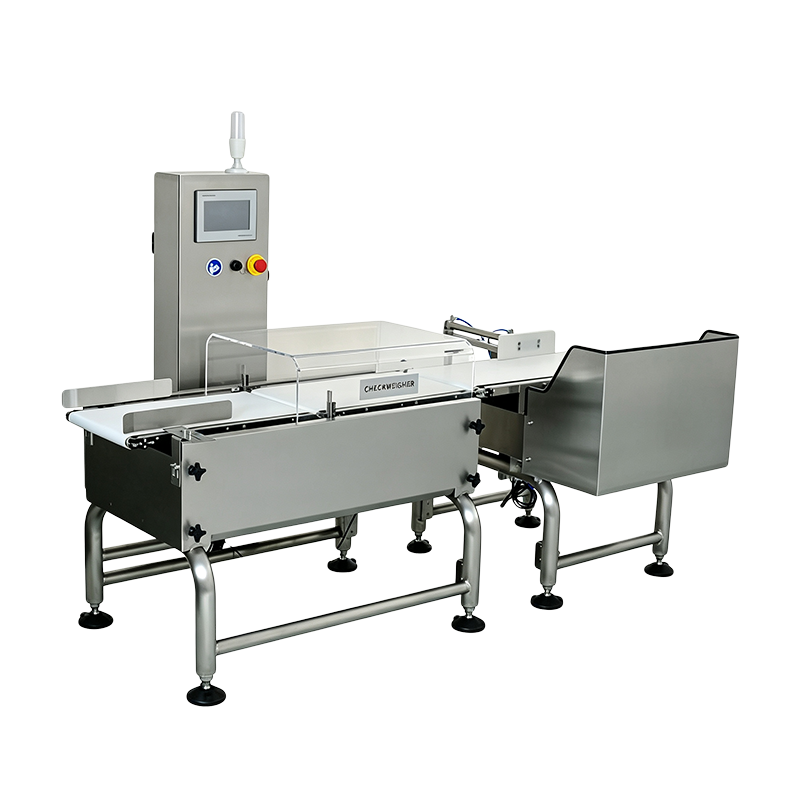
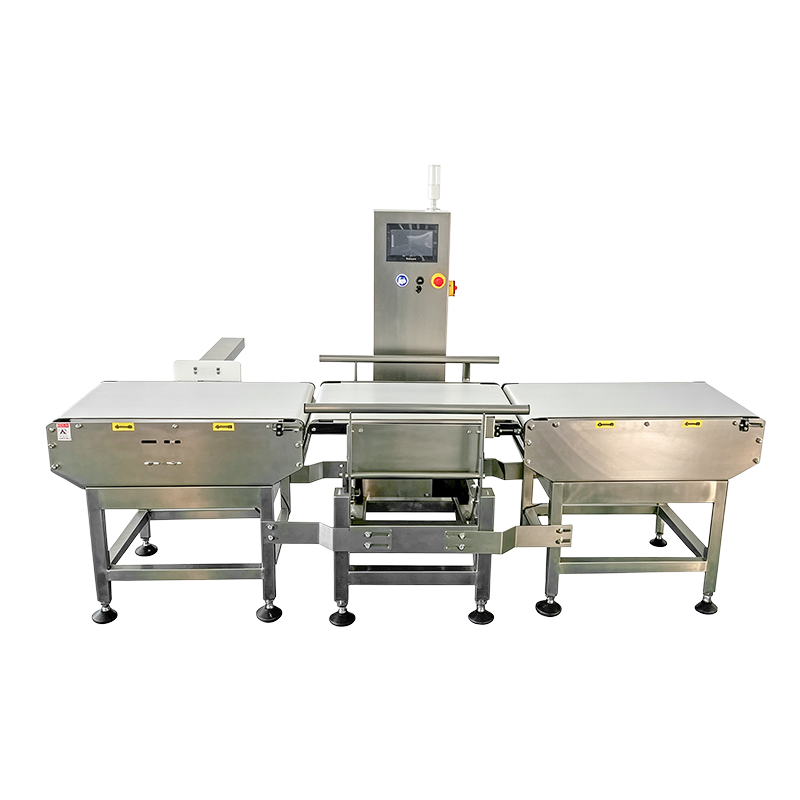
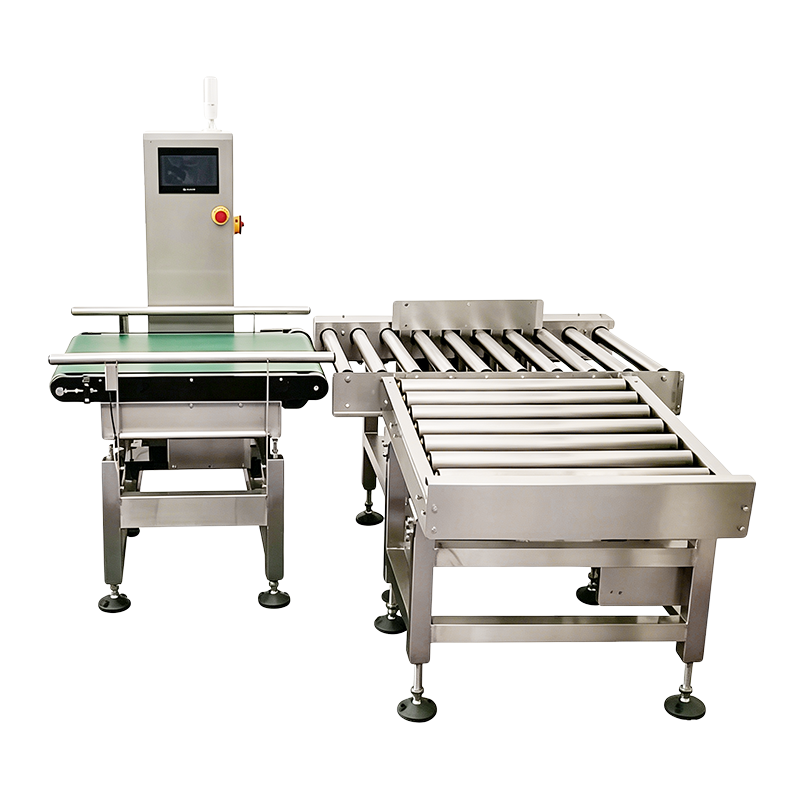
The Checkweigher range covers weighing from 3g to 25kg, accuracy from ±0.3g to ±10g, and throughput up to 100 pieces/min. We use German HBM load cells, FPGA hardware filtering, and intelligent self-learning technology to maintain accuracy at line speed. The 7-inch touchscreen stores 40 product presets and keeps high-capacity sorting logs. Rejection can be configured as air jet, air pusher, flipper, or drop belt to match pack shape and line layout.
Metal Detection Machine
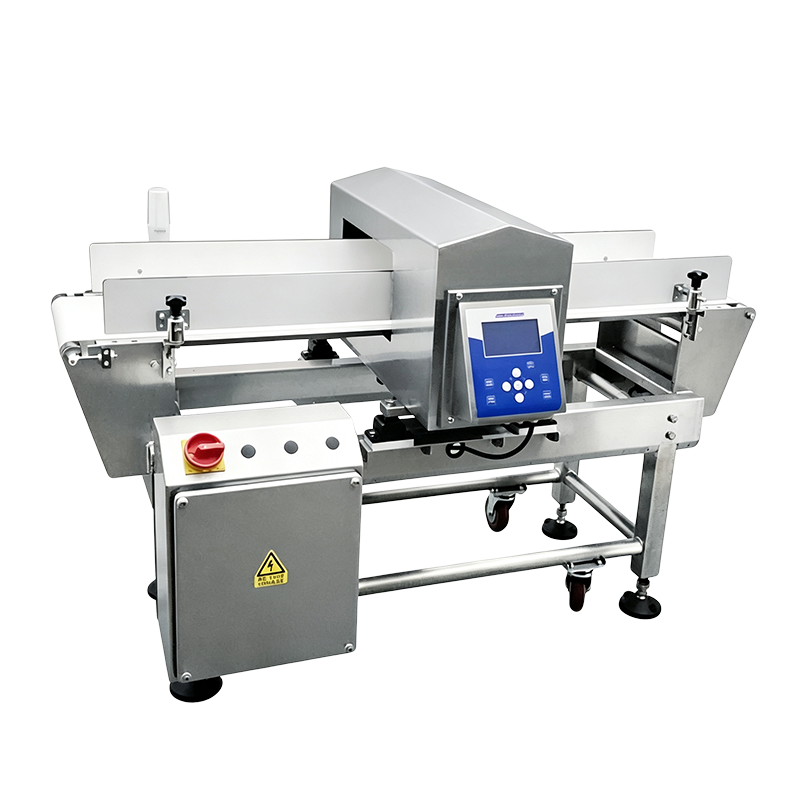
The Metal Detection Machine series includes standard, high-profile, and wide-belt aperture options from 350×150mm to 450×150mm. Detection limits are iron ≥0.8mm, non-ferrous ≥1.2mm, and stainless steel ≥1.5mm. ARM+FPGA architecture, X-R orthogonal decomposition, and multiple filtering algorithms handle product effect from moist or salty foods. The control stores 50 product parameters with intelligent self-learning, and rejection options include air jet, pusher, flipper, flap down, and drop belt.
Throat Metal Detector
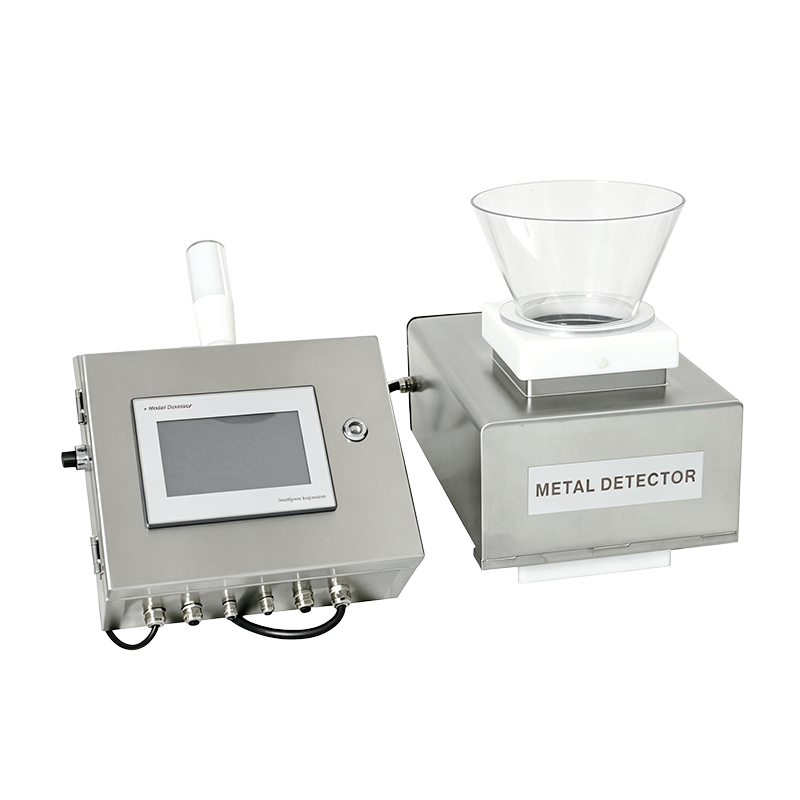
The SV140 Throat Metal Detector is built for vertical packaging systems. It has a 140mm detector pipe, 460mm installation height, zero metal-free zone design, hardfill detector head, and DDS full-digital signal processing. It outputs relay signals to the vertical packaging machine to reject empty bags, making it the right choice between a multi-head weigher and the bag former.
X-ray Inspection Machine
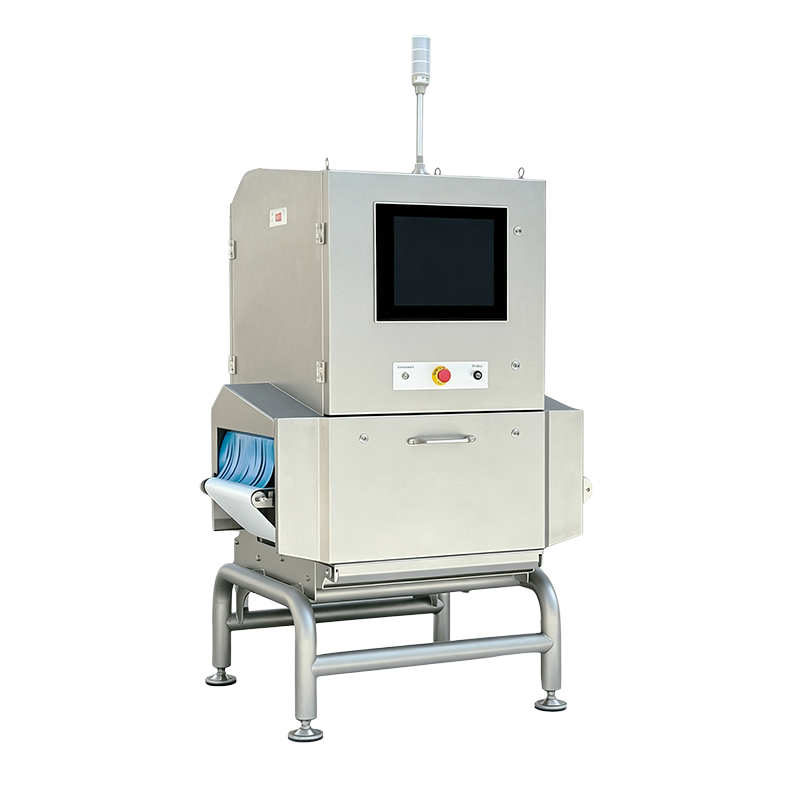
The X-ray series includes the compact 3016, the 4016 EX, and the large-format 6016. These systems use American VJ X-ray sources and Finnish DeeTee detectors with pan-AI multi-feature fusion analysis to detect metal, glass, stone, bone, and dense plastic. When metallized film blocks conventional metal detection, X-ray inspection is the practical alternative after sealing.
Integration, Rejection, and Control
Line integration starts with the product path. A throat metal detector protects the vertical packaging machine before bag formation. A checkweigher after sealing verifies every pack. A metal detector on the outfeed conveyor catches contamination introduced by conveying or sealing. An X-ray unit before case packing covers non-metal foreign bodies.
We supply the conveyor transitions, reject stations, and PLC interfaces, and we set up reject confirmation so the line cannot send a suspect pack downstream. The control system is configured around your existing line interface, including signals from the packaging machine, multi-head weigher, and case packing equipment.
Quality Assurance and Documentation
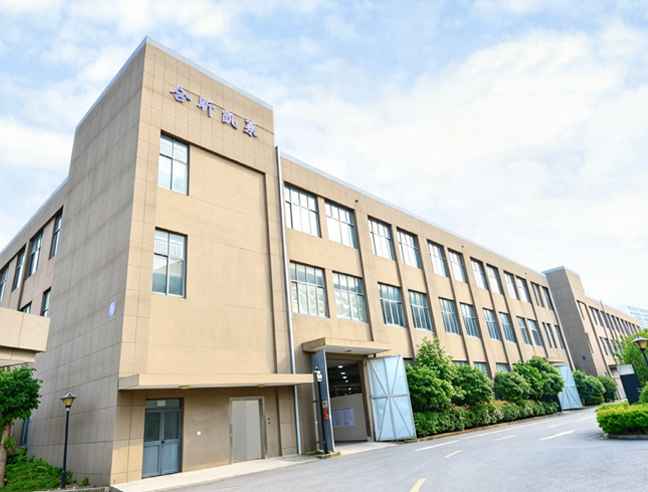
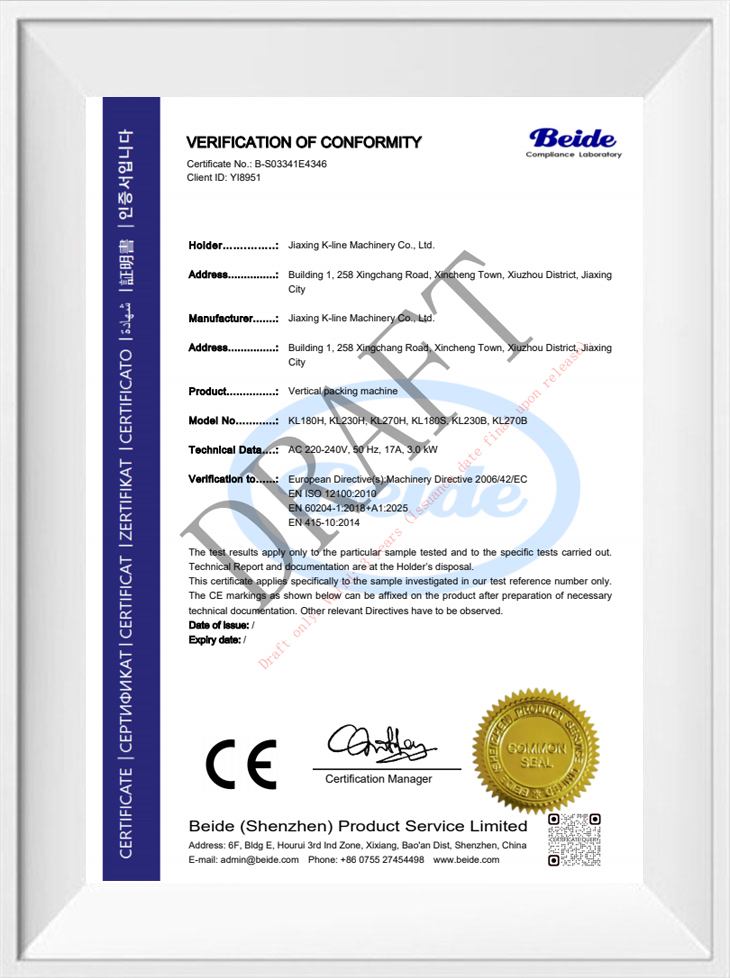
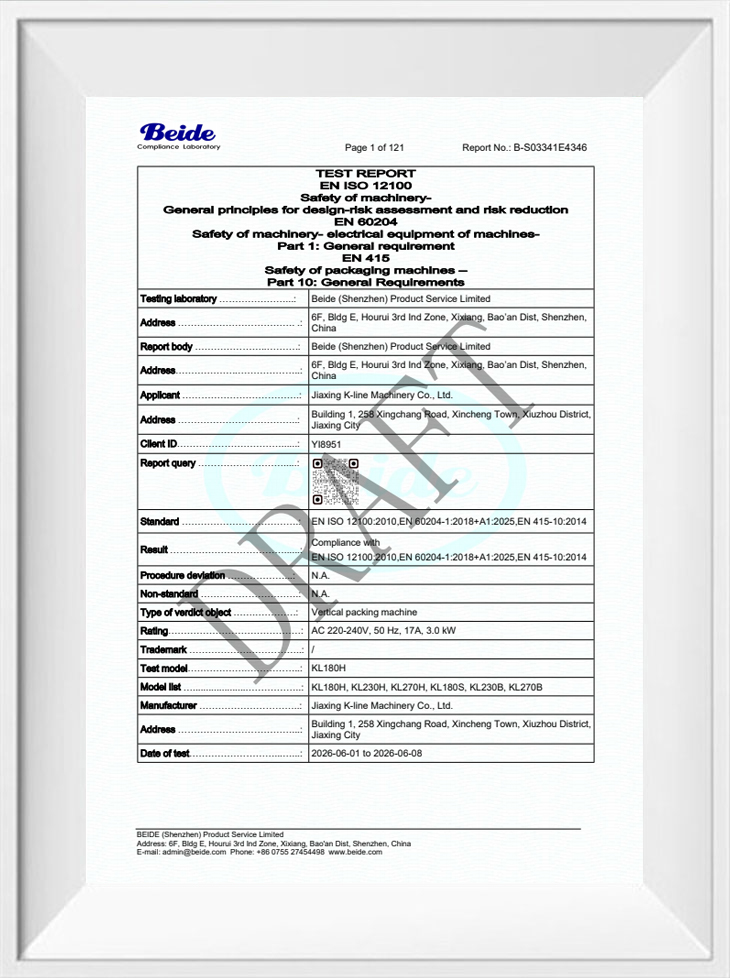
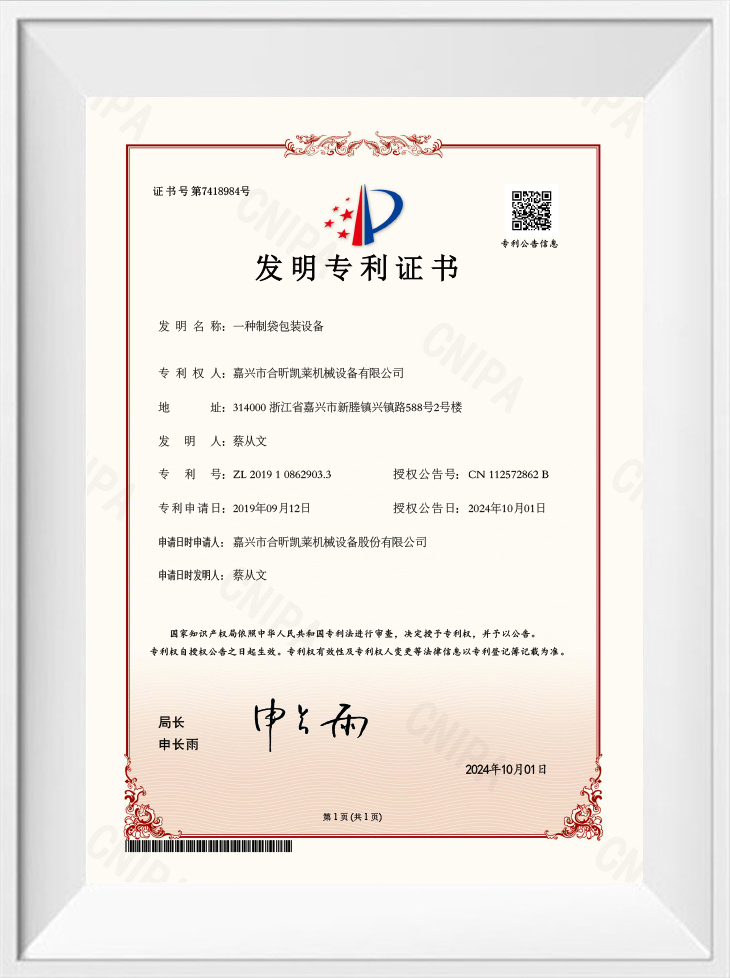
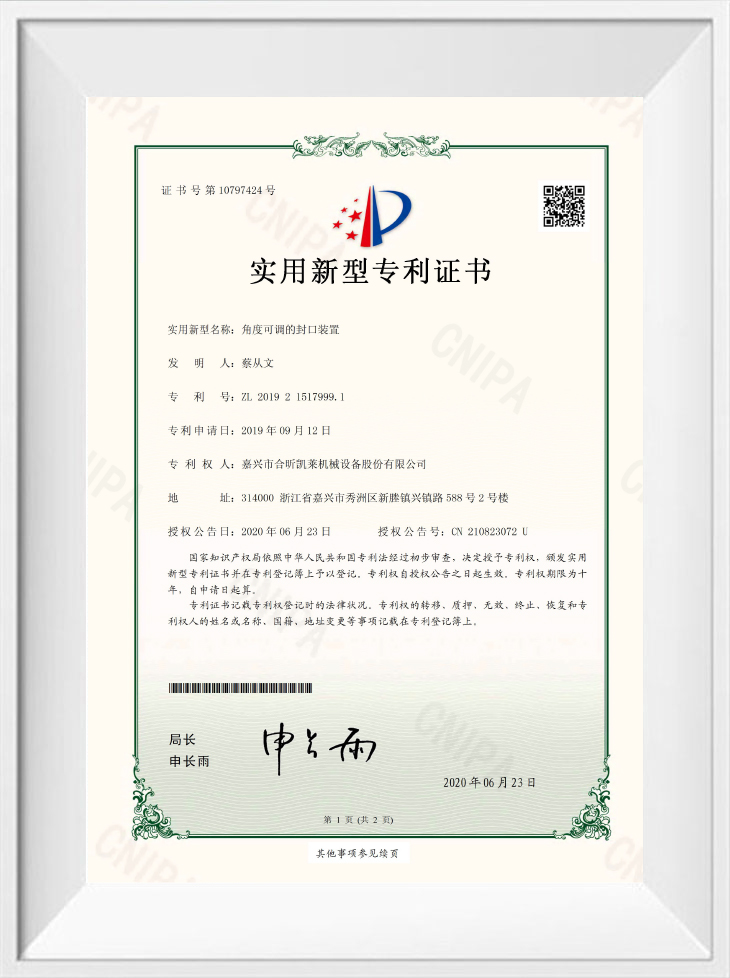
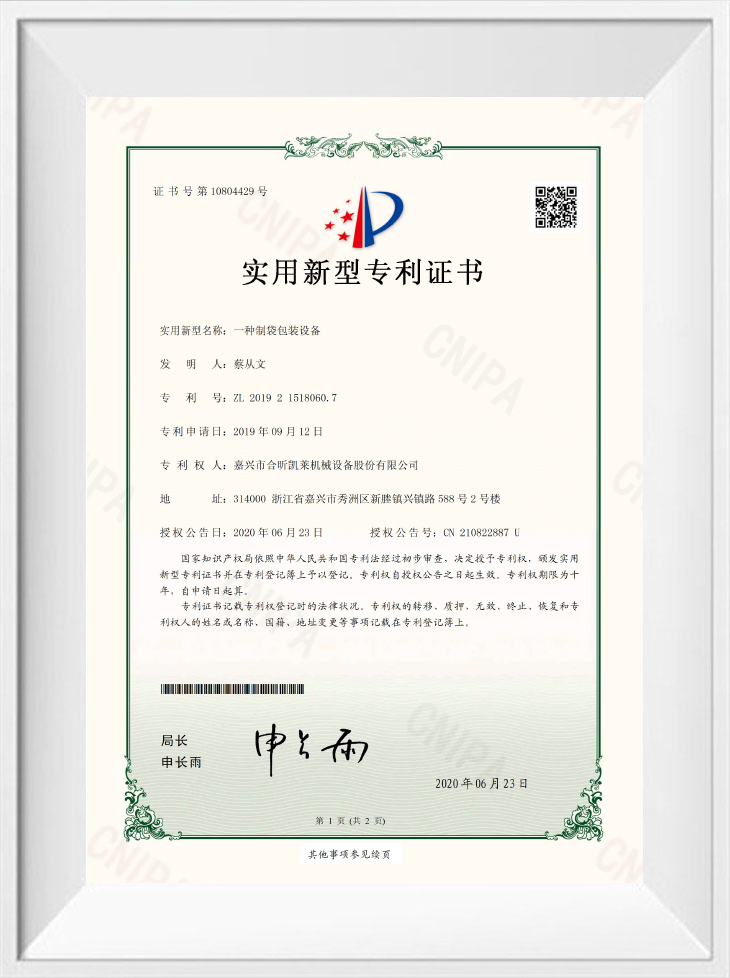
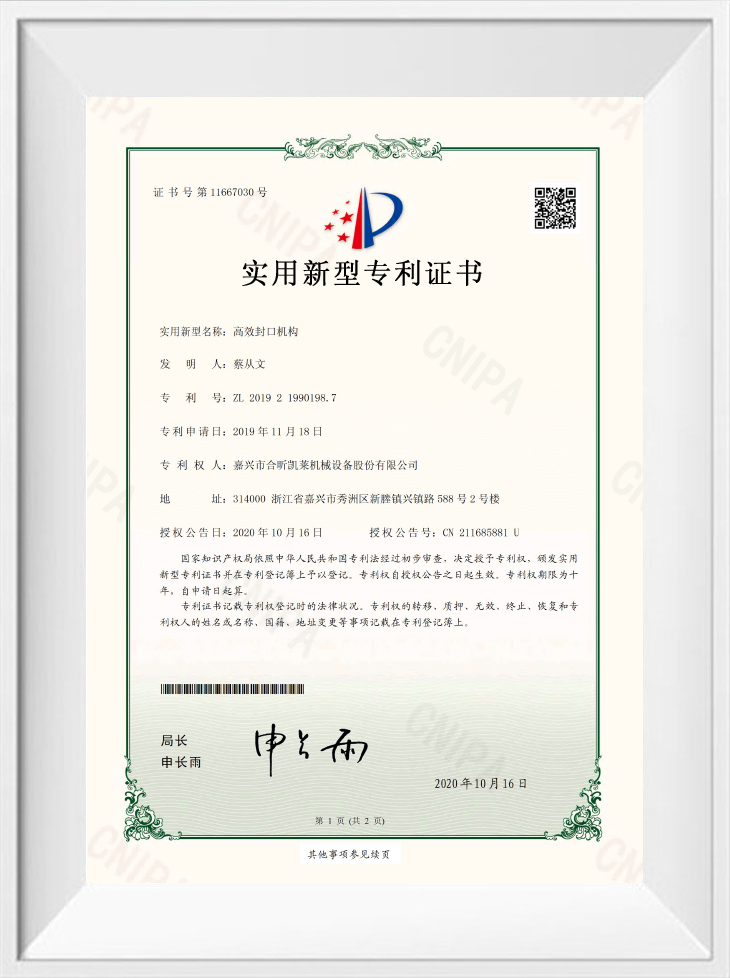
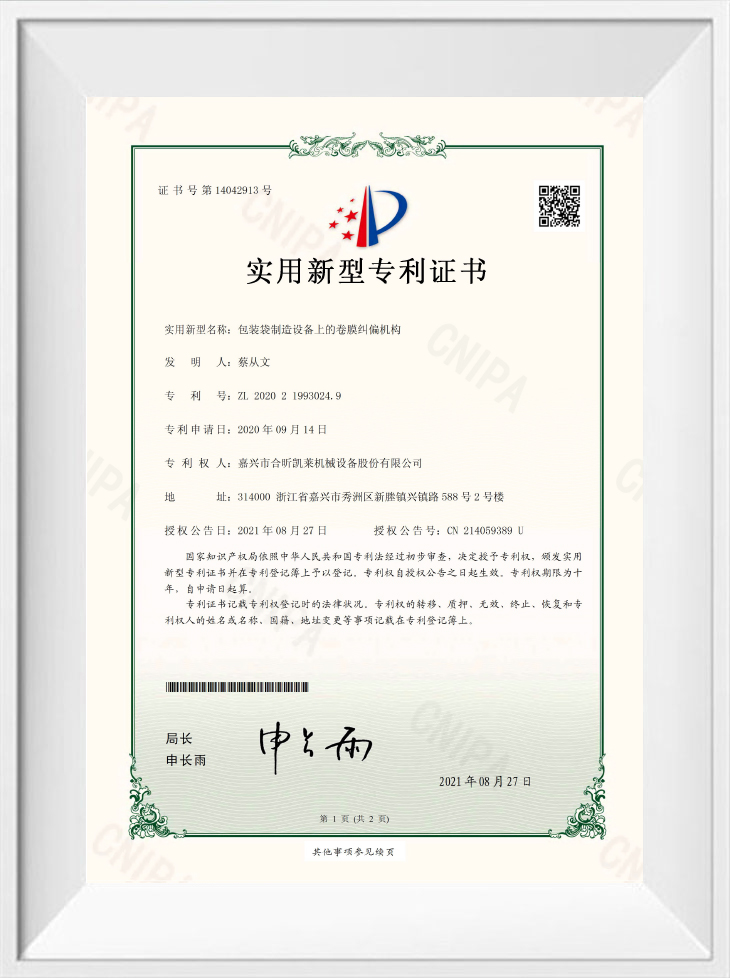
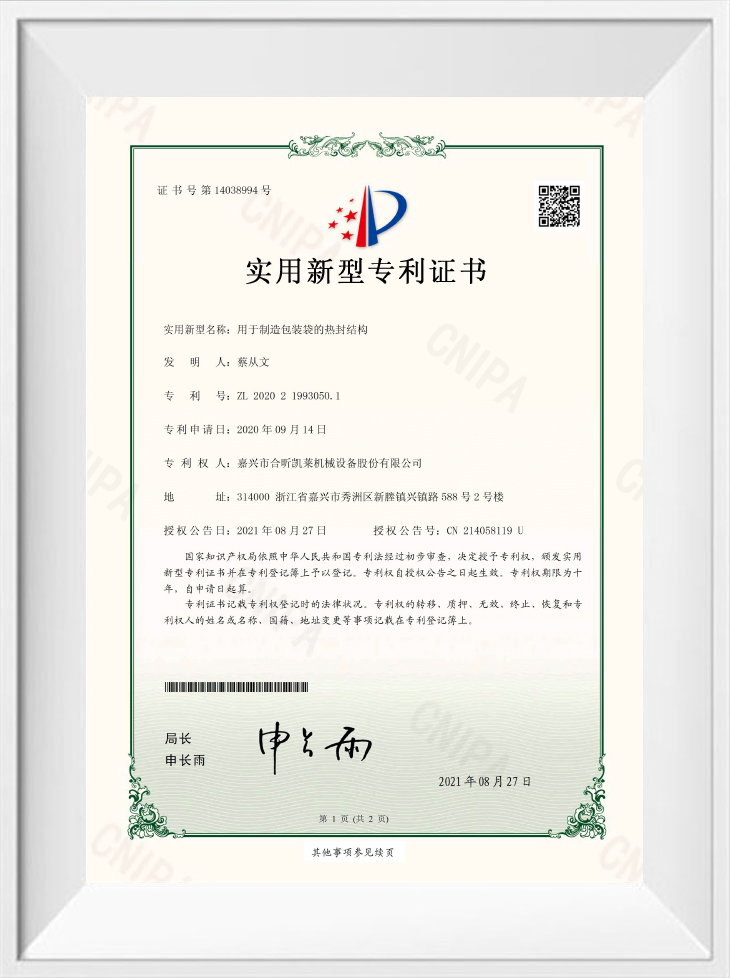
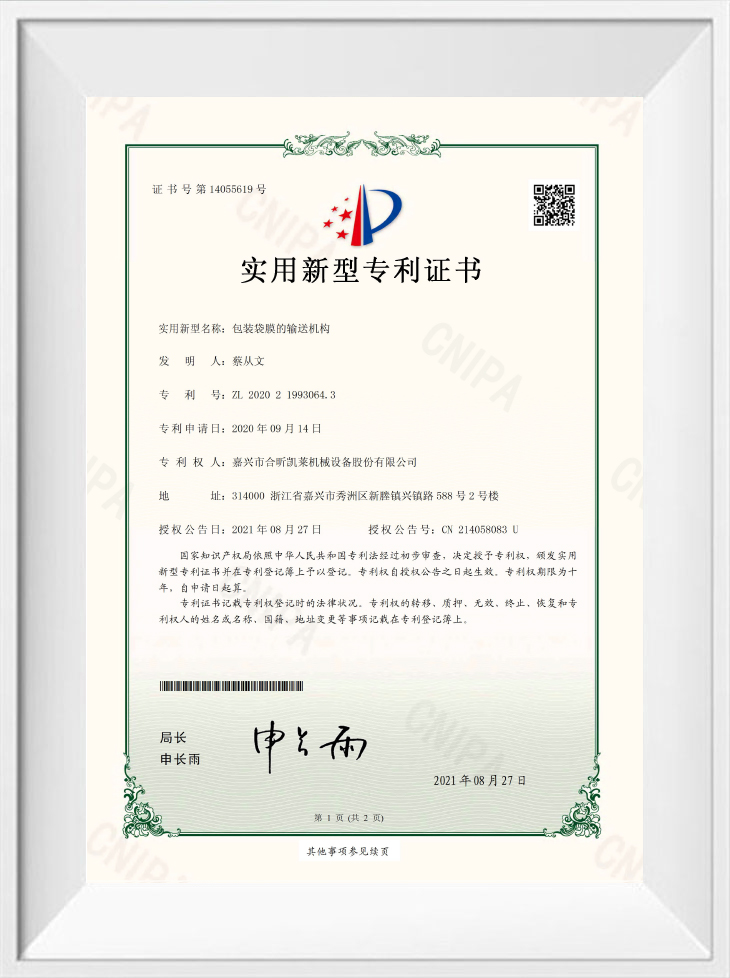
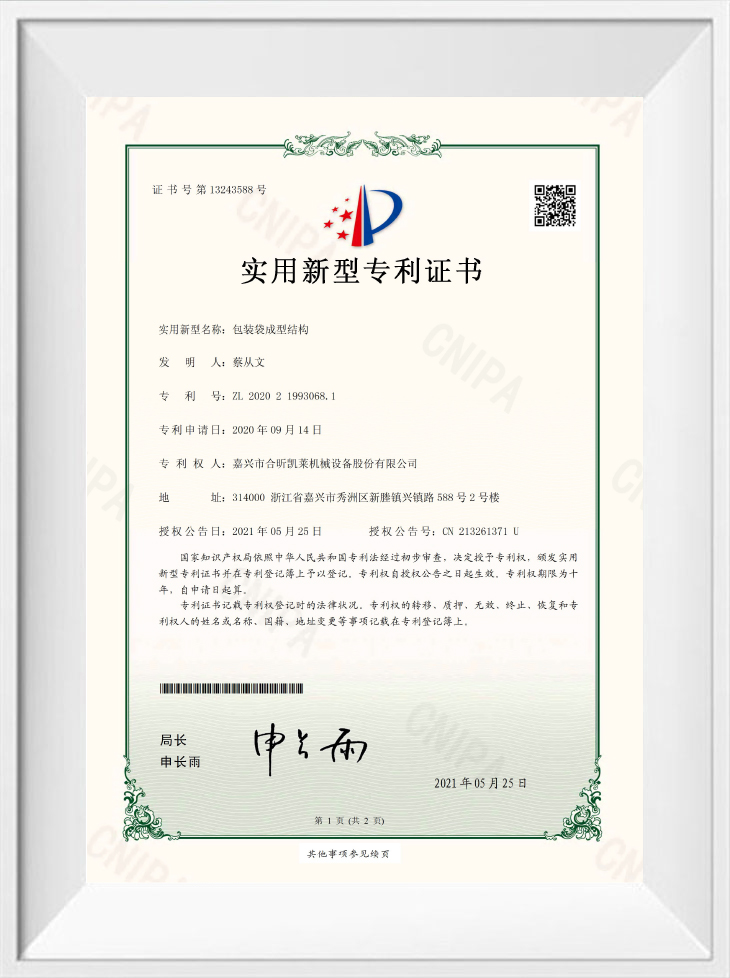
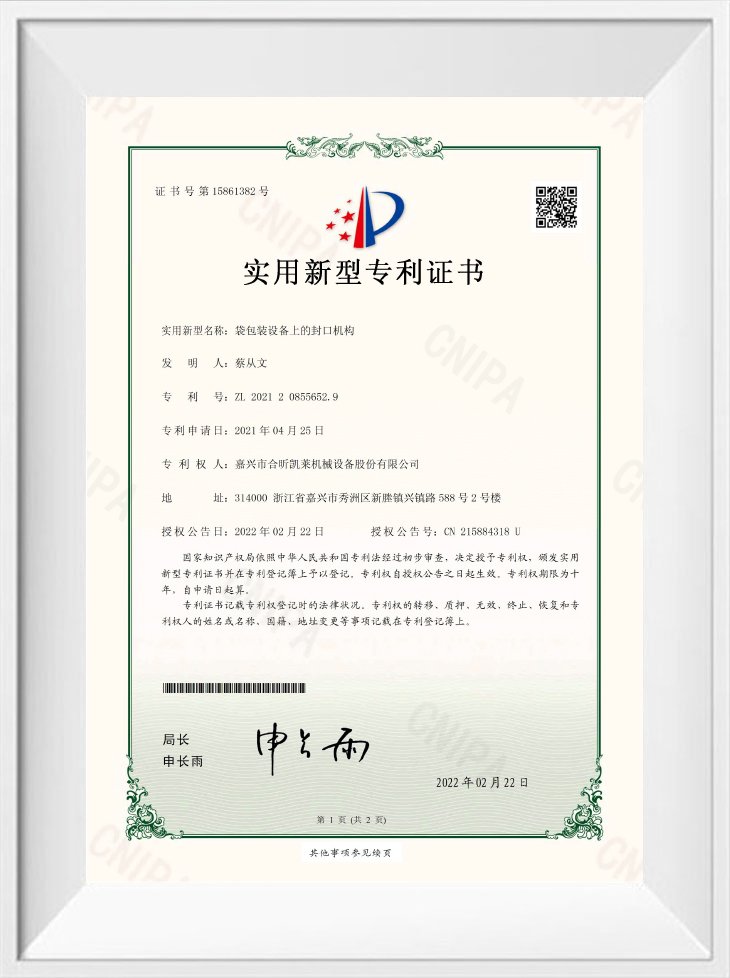
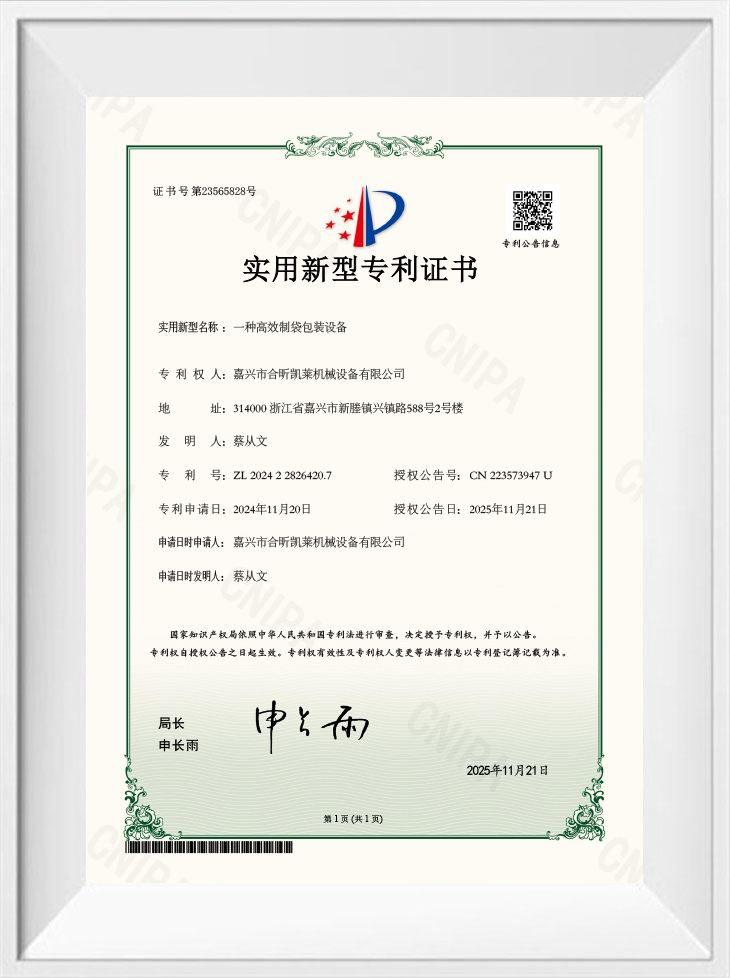
Product R&D, design, and manufacturing at our Jiaxing factory are supervised by senior technical staff. Our checking equipment is supported by CE test documentation and patent records covering the detection technologies used in this range. Every machine is configured for the specified product and line speed, and acceptance samples and sorting logs are reviewed before shipment.
Information We Use to Configure Your Solution
To prepare a configuration and quotation, we need the following project inputs from your side:
- Product type, particle size, bulk density, moisture or salt content, and whether the product is packed in foil or metallized film.
- Pack weight, pack dimensions, bags per minute, and conveyor height at the proposed inspection point.
- Contaminant risk list: metal, glass, stone, bone, dense plastic, or a combination.
- Inspection position: before filling, after sealing, or before case packing.
- Required rejection method and whether reject confirmation must link to an upstream packaging machine.
- Product samples for testing so we can verify sensitivity and accuracy under production-like conditions.
Frequently Asked Questions
What is the difference between a throat metal detector and a conveyor metal detection machine?
A throat metal detector checks material as it falls freely through a pipe, so it is installed between the weigher and the vertical bag former. A conveyor metal detection machine checks packed or unpacked product moving on a belt, so it is typically installed after sealing or before case packing.
Which inspection equipment do I need if my product is packed in foil pouches?
Foil blocks conventional metal detection. For foil pouches, an X-ray inspection machine is the practical solution because it sees through metallized film and can identify metal, glass, stone, bone, and dense plastic.
What rejection methods are available on K-Line checkweighers?
We configure air jet, air pusher, flipper, or drop belt rejection based on pack weight, shape, and line speed. The reject station is matched to the surrounding conveyor and arranged so rejected packs are counted and confirmed before they leave the inspection zone.
How do you configure a combined inspection line with a checkweigher, metal detector, and X-ray?
We start from the hazard list, line speed, and pack format. A common configuration is a throat detector before the bag former, a checkweigher after sealing, and a metal detector or X-ray unit on the outfeed conveyor. We provide the conveyor interfaces, rejection logic, and PLC signals as one integrated system.
What information do you need before quoting an inspection system?
Send product samples, pack dimensions, target weight and tolerance, line speed, available space, and the contamination risks you need to control. We use those inputs to select the model, belt width, aperture size, rejection method, and integration interface.

 English
 中文简体
 Español
 русский