
Content
Choose inspection equipment by the risk you need to stop. Use a checkweigher to catch underweight and overweight packs, a metal detection machine to catch metal in packed or unpacked product on a belt, a throat metal detector to catch metal in free-falling powder and granules before the bag is formed, and an X-ray inspection machine when you must find glass, stone, bone or dense plastic as well as metal. Most food plants combine two or three of these devices into one product inspection line.
Start with the hazard list, not the machine list. Jiaxing K-Line Machinery Co., Ltd. asks the same four questions on every project, and any China inspection equipment manufacturer should ask them before it proposes a model.
List every realistic contaminant: metal from machine wear, glass from jars or lighting, stone in agricultural products, bone in meat, hard plastic from conveyors and film. Metal detection covers metal only. X-ray inspection covers metal and many non-metal bodies. A checkweigher covers weight, not contamination.
Moist, salty and high-density products create a product effect that reduces metal detector sensitivity. Foil pouches can block a metal detector, while X-ray can see through them. Pack height, belt width and pack weight set the aperture or belt size you need.
A detector placed before filling protects the packaging machine and finds the contaminant sooner. A detector placed after sealing protects the finished pack and catches contamination from the packaging process itself. Many plants use both positions.
Take a line at 40 bags per minute over an eight hour shift, which is 19,200 bags. If 0.5 percent of bags fall outside the weight tolerance, a checkweigher removes about 96 bags before they reach a customer. Without it, those bags ship.
| Risk to Control | Recommended Equipment | Typical Position |
| Underweight or overweight packs | Checkweigher | After the packaging machine |
| Metal in packed product | Metal detection machine | After sealing, on the conveyor |
| Metal in powder or granules | Throat metal detector | Between weigher and bag former |
| Glass, stone, bone, dense plastic | X-ray inspection machine | After sealing or before packing |
| Several risks at once | Combined line | Weigher, detector, checkweigher in sequence |
X-ray is better when you need to find more than metal, or when the pack is foil lined or the product is dense and wet. A metal detection machine is better when metal is the only concern and the product is dry and stable. Neither replaces the other in every plant.
Uses a balanced coil to sense metal. Fast, simple and widely used. Product effect from moisture and salt can reduce sensitivity.
Measures how product absorbs X-ray and finds denser objects. Detects glass, stone, bone and metal, and works through foil.
| Comparison Item | Metal Detection Machine | X-ray Inspection Machine |
| Contaminants found | Ferrous, non-ferrous, stainless metal | Metal, glass, stone, bone, dense plastic |
| Typical detection size | About 1 to 3 mm for metal spheres, product dependent | About 0.8 to 2 mm for dense objects, product dependent |
| Foil or metallized film | Often not suitable | Suitable |
| Wet or salty product | Product effect lowers sensitivity | Little effect |
| Extra functions | Reject and alarm | Reject, weight check, missing item check |
| Best use | Dry products where metal is the only risk | Mixed risks and demanding retail audits |
The X-ray models in the catalog range from a compact system to a large system, so pack size is covered from small snack bags to cartons. Intelligent self-learning algorithms help the system set a normal image for each recipe, which reduces false rejects when products change. If you are comparing a China metal detection machine manufacturer with a China X-ray inspection machine manufacturer, ask each one to run the same test pieces in your own product.
False rejects waste good product and slow the line. Most of them come from unstable product effect, loose mounting or electrical noise. Teach the detector a clean sample of each recipe, keep the conveyor free of vibration, and keep metal frames and cables clear of the aperture. Plants that follow these steps often see false rejects fall to well under 1 percent of packs, and operators gain trust in the alarm.
A throat metal detector is better for powders, granules and small pieces that fall through a pipe, because it checks loose product before it enters the bag. A conveyor metal detection machine is better for finished packs and larger pieces carried on a belt. The two are often used together.
| Comparison Item | Throat Metal Detector | Conveyor Metal Detection Machine |
| Product state | Loose material in free fall | Packed or unpacked items on a belt |
| Installation | Mounted in the drop pipe, for example below a weigher | Installed over a belt with a reject device |
| Best materials | Powder, granules, small pieces | Bags, boxes, trays, bulk items |
| Sensitivity | Very high on small flow volumes | High, depends on aperture size |
| Catalog models | Gravity drop type | Standard, high-profile and wide-belt types |
Metal found before the bag is formed means a short reject of a small amount of product instead of a sealed bag. This keeps waste low and protects the sealing jaws and filling parts from damage. A China throat metal detector manufacturer can match the pipe diameter and the drop height to your vertical packaging machine, so that the detector sits directly below the weigher.
Metal can enter at any stage, including from the packaging machine itself. A belt detector after sealing checks the finished pack, and a reject arm or air blast removes it automatically. A China metal detection machine manufacturer can offer different aperture heights, from standard to high-profile, and wider belts for cartons.
Browse checkweighers, metal detection machines, throat metal detectors and X-ray inspection systems from the Checking Equipment catalog. Each model integrates with the packaging machines and weighers in a full line. Swipe or scroll sideways to see every model, then select a card to open the product page.
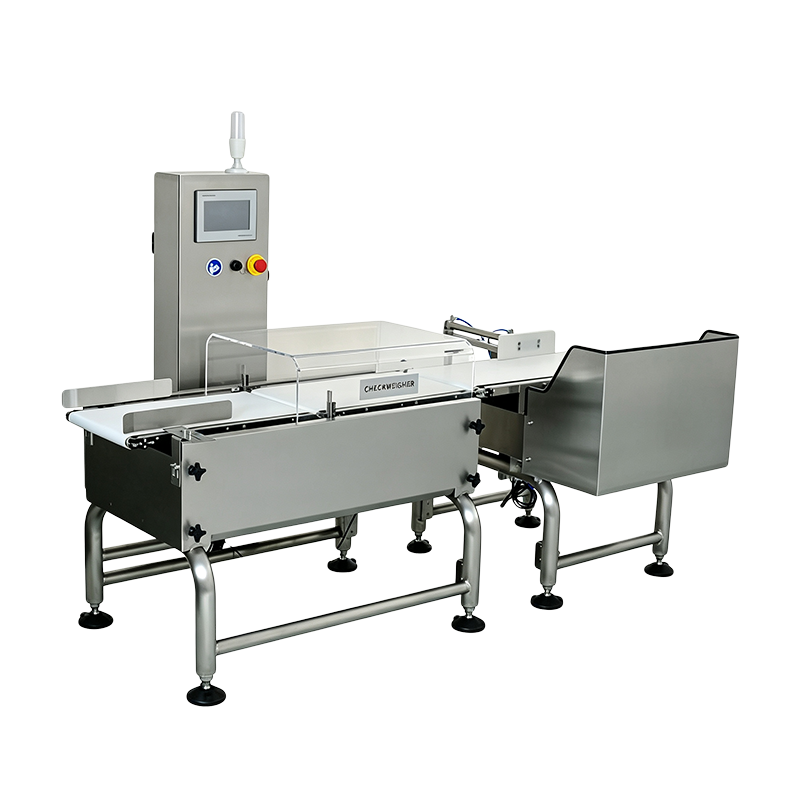
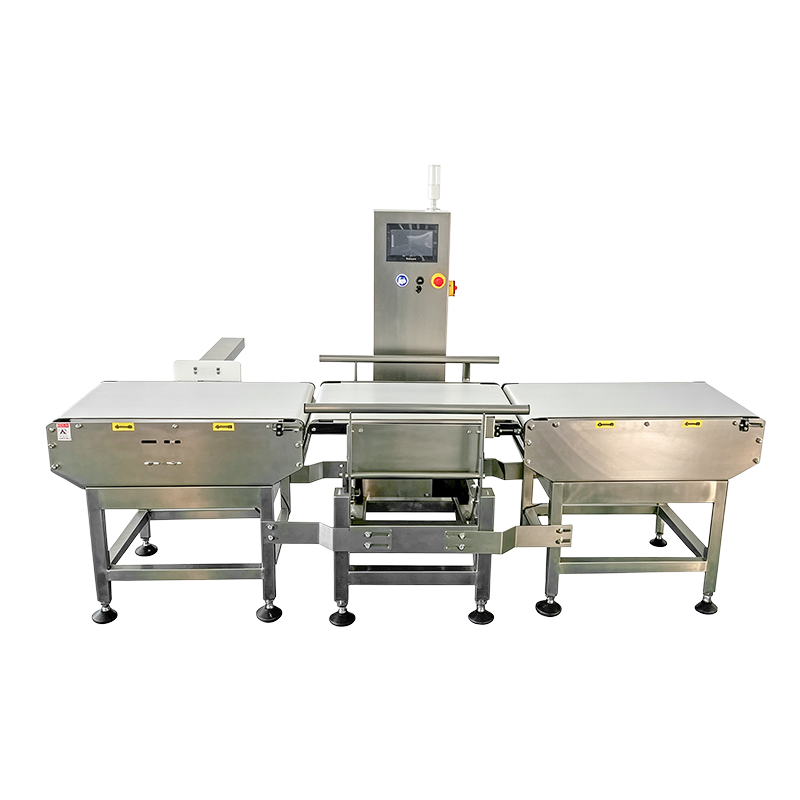
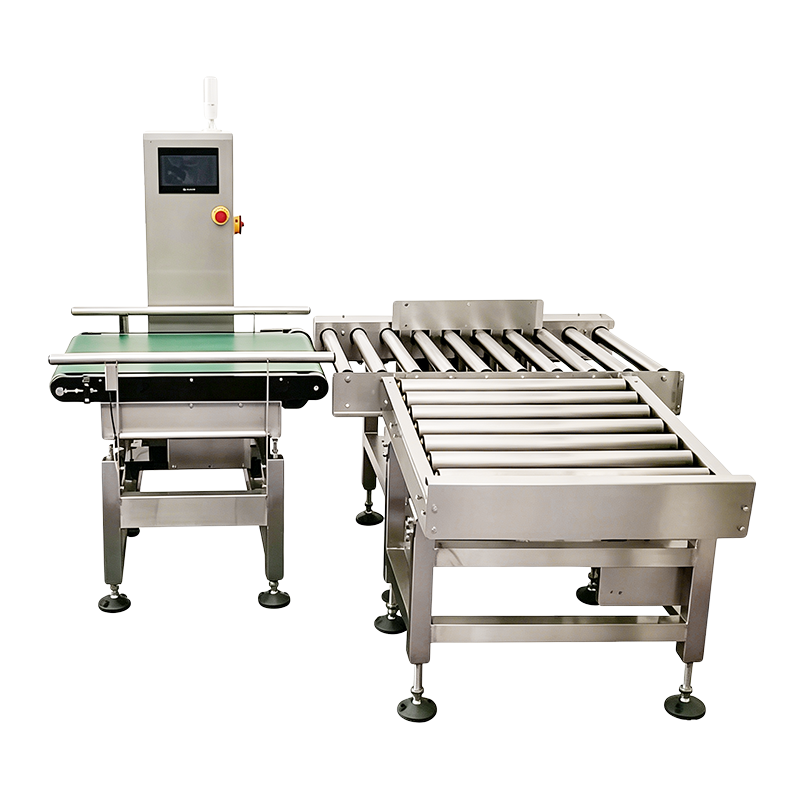
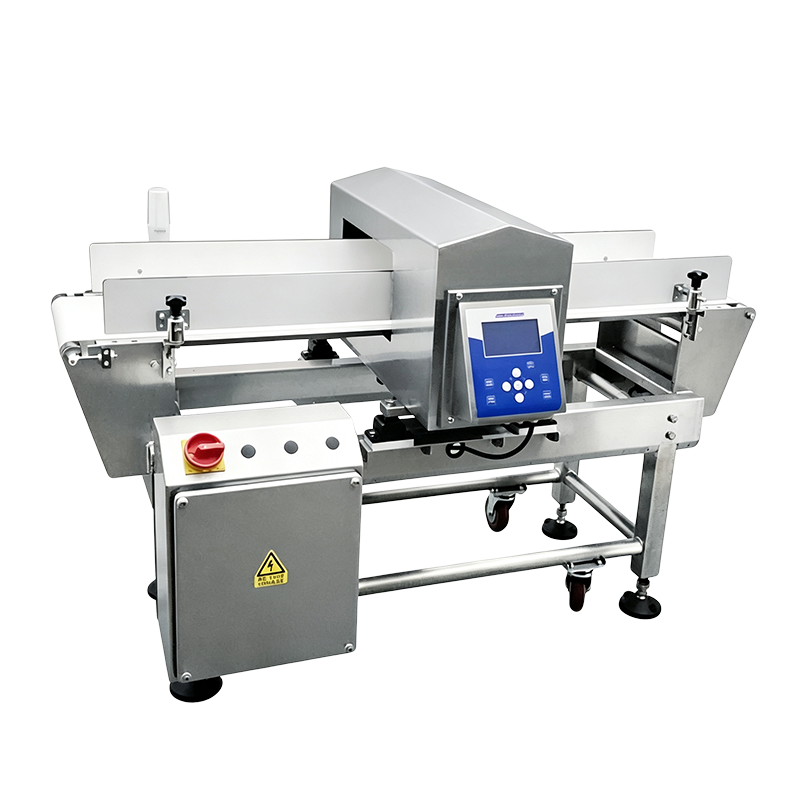
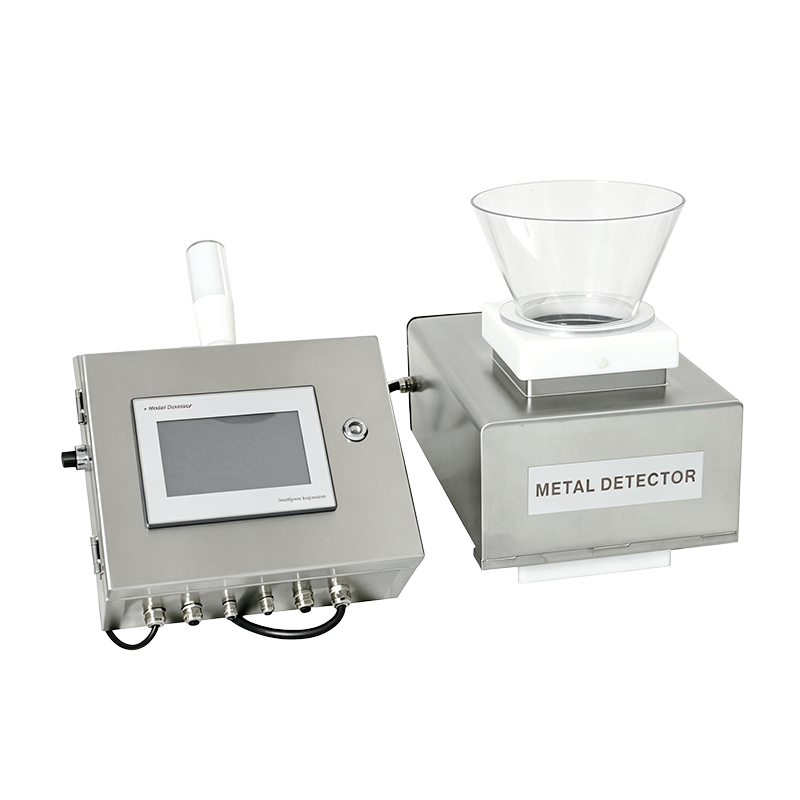
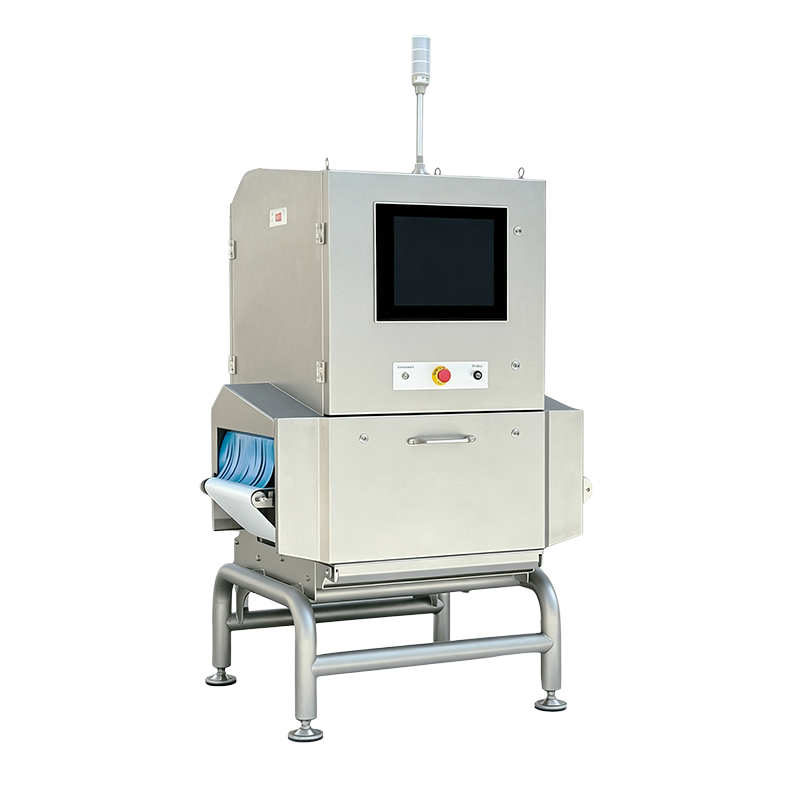
Food plants need the widest mix, pharmaceutical plants need documented, repeatable checks, and chemical plants need rugged equipment that handles powder and dust. The table shows the pairings most often chosen for product inspection equipment.
| Industry or Product | Recommended Equipment | Reason |
| Snacks, candy, biscuits | Throat detector plus checkweigher | Protects the bagger and confirms bag weight |
| Frozen food and meat | X-ray inspection machine | Dense, wet product and bone risk |
| Nuts and dried fruit | Metal detection machine or X-ray | Stone and shell fragments possible |
| Flour and powder | Throat metal detector | Detects metal in free-falling material |
| Pet food | Metal detector plus checkweigher | Large bags and metal from processing |
| Pharmaceutical granules | Throat detector and checkweigher | Documented dosing and contamination control |
| Chemical materials | Metal detector for bulk and bags | Protects downstream equipment |
For snacks and confectionery, a throat metal detector below the weigher and a checkweigher after the bag maker give two layers of protection. For frozen dumplings or marinated meat, X-ray is usually the better fit because of high moisture and the risk of bone.
These industries value recorded results. Modern units store recipes, keep reject logs and support multiple languages on the touch screen. The Pharmaceutical Industry and Chemical Industry solution pages show typical line layouts.
Place the checkweigher after the packaging machine and before the metal detector or case packing. Set the target weight, the upper and lower limits and the reject method, then verify with known test weights. A China checkweigher manufacturer should supply a unit sized to your pack and speed.
The catalog includes light linear types for small packs, a high precision type, a high capacity belt type and a heavy duty type for large bags up to 25 kg. Pick the belt length so that each pack sits fully on the weighing belt long enough to settle. Short belts at high speed lose accuracy.
A checkweigher also acts as a feedback tool. If the average weight drifts upward, the signal can adjust the multi-head weigher or auger filler and reduce giveaway. On a 100 g bag line running 19,200 bags per shift, trimming the average by 0.5 g saves about 9.6 kg of product per shift. Link the data to the multi-head weigher settings for the best result.
Inspection equipment is only useful when it is tested and maintained. Run a certified test piece through each detector at the start of every shift, record the result and check that the reject device clears the pack. Clean belts and rollers on the checkweigher at each product change, and recheck the zero point. A short daily routine of five to ten minutes prevents most drift and keeps records ready for audits.
Jiaxing K-Line Machinery Co., Ltd. brings a core team with nearly two decades of automated packaging experience and holds CE certification with invention and utility model patents. It can supply vertical packaging machines, weighers, conveyors and inspection equipment as one integrated line, so that signals, reject points and layout are planned together. As a China inspection equipment manufacturer and product inspection equipment factory, it also supports customized non-standard layouts.
Send your product, pack size and line speed to the engineering team. Explore the checkweigher, metal detection machine, throat metal detector and X-ray inspection machine pages, or contact us directly.

Contact Us
+86-573-82788180
Need E-mail
info@mainfill.com
About
Jiaxing K-Line Machinery Co., Ltd. is an automatic packaging machinery manufacturer and service provider serving the domestic high-end and overseas markets.
Links
Products
Get a Free Quote

 English
 中文简体
 Español
 русский