
If powder fill weight drifts by 3-5 g on a 500 g jar, the auger filler may be doing exactly what it was set to do: filling by volume while the powder's bulk density changes. Before comparing models, decide whether your powder is stable enough for volumetric filling and define the lowest and highest weights you actually sell.
This guide covers how an auger filler works, where weight error comes from, which specifications to compare, and how to run a trial before you approve a purchase.
Content
An auger filler doses powder with a vertical screw inside a tube. Each revolution carries a volume set by screw diameter, pitch and fill level. The machine stops after a programmed number of revolutions, then releases powder into a jar, can, pouch, bag or drum. It is often placed before a sealer or form-fill-seal machine.
Most units are volumetric, not weigh-at-fill. They do not weigh every dose on a load cell. Weight comes from calibration: run the powder, adjust revolutions, then verify on a checkweigher. That is why one filler can perform well on a free-flowing powder and poorly on a fine, aerated blend.
Four variables drive fill weight: screw geometry, number of revolutions, powder level in the hopper, and the nozzle-to-container relationship. Screw pitch sets volume per revolution; a smaller auger improves resolution, while a larger one raises dose capacity. Servo control improves repeatability, but it cannot correct a powder that bridges or aerates.
The usual causes are bulk density shift, bridging or ratholing, dust and aeration, a worn auger edge, an unstable container, and a checkweigher that has not been verified. A checkweigher is the feedback device; without it, you are trusting a calibration that may not hold after a humidity change.
Powder names are not enough. "Milk powder" can be fine or agglomerated; "flour" can vary by mill and moisture. Send three production lots and ask for a trial at low, normal and high target weights.
| Powder trait | Why it affects auger filling | What to test or ask |
|---|---|---|
| Bulk density variation | The same screw volume can weigh differently from lot to lot. | Test low- and high-density lots at the same target weight. |
| Cohesion and bridging | Powder may stop flowing or release in slugs. | Check hopper agitation, vibration and performance at production humidity. |
| Dust and aeration | Fine powder can fluff, spill or settle after filling. | Review nozzle design, dust extraction and fill speed. |
| Particle size and abrasion | Hard particles can wear the auger and change volume over time. | Ask about auger material, clearance and spare parts. |
| Target fill weight | A model that works at 200 g may not hold tolerance at 2 kg. | Require data at your lowest and highest commercial weights. |
A supplier should state accuracy as a tolerance band at a stated fill weight, speed and powder. A single demonstration at one mid-range weight is not an acceptance test.
Compare fill range, tolerance, speed at your target weight, hopper volume, auger sizes, motor control, contact parts, cleaning time, container handling, dust extraction and spare parts. Ask whether the quoted speed includes checkweighing and sealing, or only the filler.
For 50-500 g jars or pouches, a compact auger with a short screw and close nozzle can reduce dust and improve response. The K-Line MFF25S compact auger filler is one candidate; confirm the tooling and fill range against your powder.
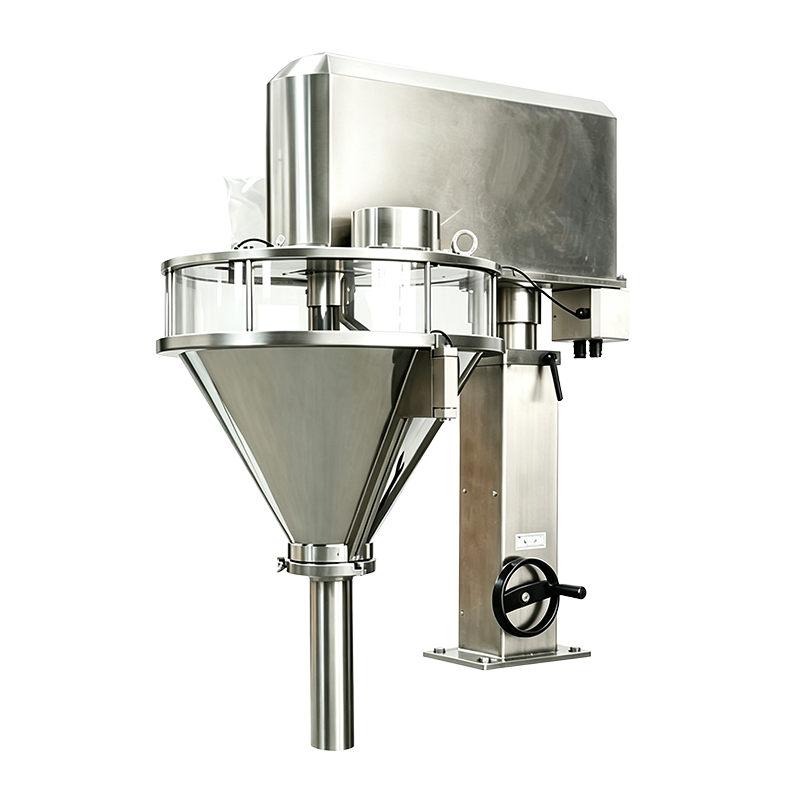 MFF25S Compact Auger Filler for Small-Dose PowdersA compact 25 L auger filler for 1–200 g doses, suited to small jars or pouches where short-screw response and dust control matter.View Product →
For 1-5 kg bags or larger containers, hopper volume and frame stiffness matter more. The MFF50S large-capacity auger filler is a candidate when the dose and head pressure need a larger hopper; verify torque and auger diameter for dense powders.
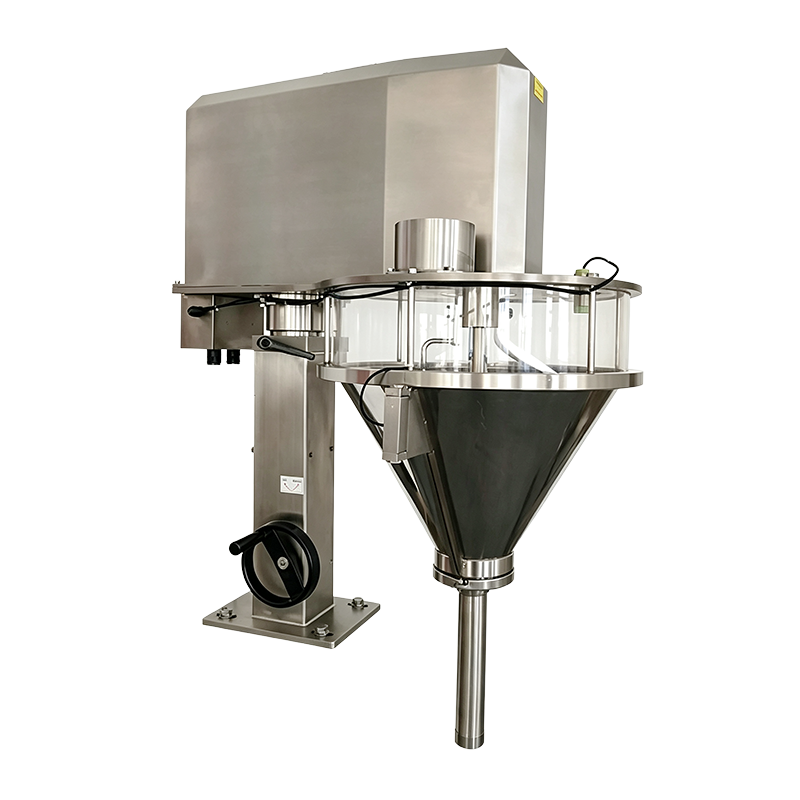 MFF50S Large-Capacity Auger Filler for 10–2000 g DosesA 50 L hopper auger filler for medium-to-large powder doses, worth reviewing when 1–5 kg bags need more hopper volume and frame stiffness.View Product →
Plan the line around the powder, not the filler alone. Upstream, you may need a vacuum loader, bucket elevator or screw conveyor. Downstream, a checkweigher, metal detector or X-ray system, sealer, case packer and palletizer may follow. Dust extraction at the fill nozzle and a stable container index usually matter more than a higher nominal speed.
If the layout calls for a standalone filling station rather than an inline form-fill-seal head, the MFSR25B auger filling machine is another format to review. Confirm footprint, container handling and operator interface before layout approval.
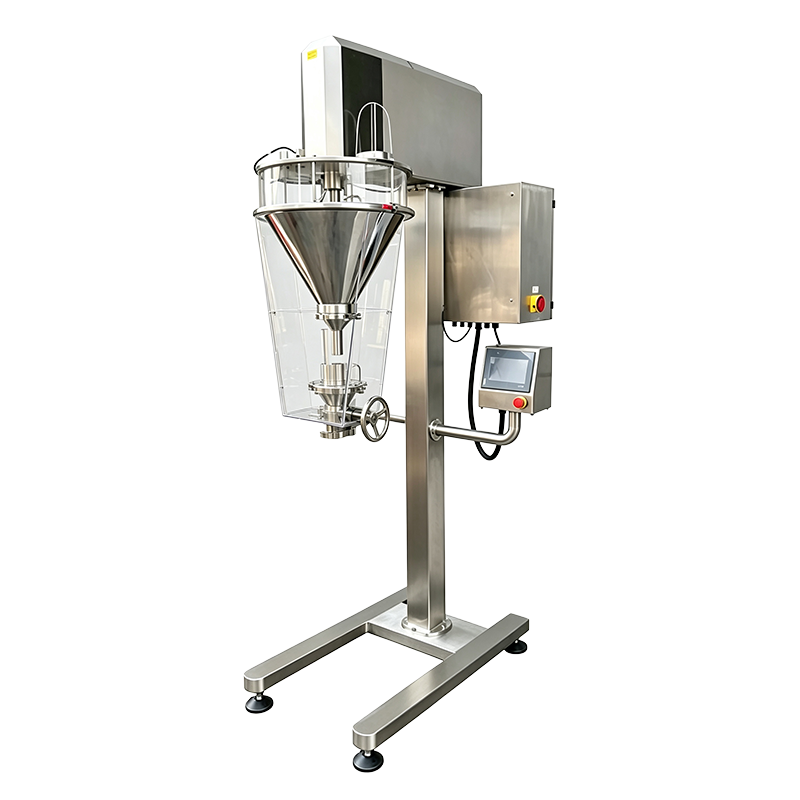 MFSR25B Auger Filling Machine with Quick-Disconnect Transparent HopperA standalone 25 L auger filler for 1–500 g doses, with weight feedback tracking to address density-driven fill-weight fluctuations.View Product →
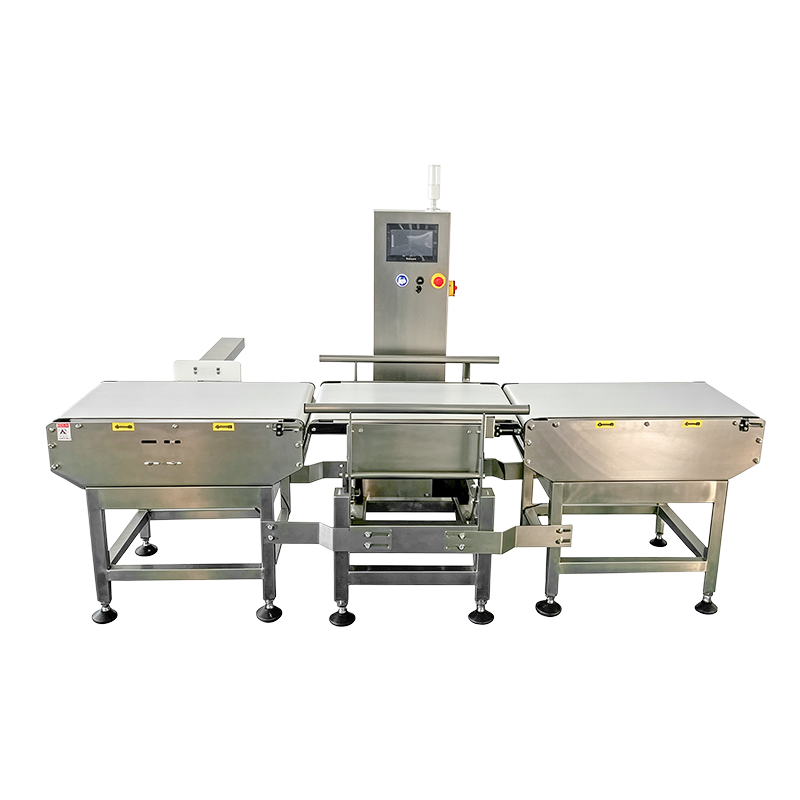
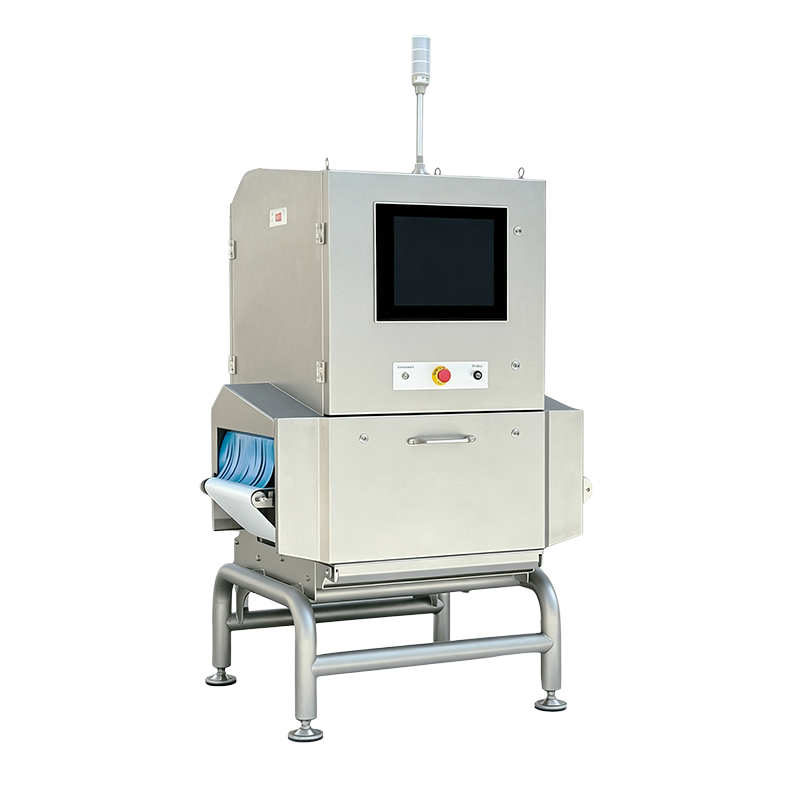
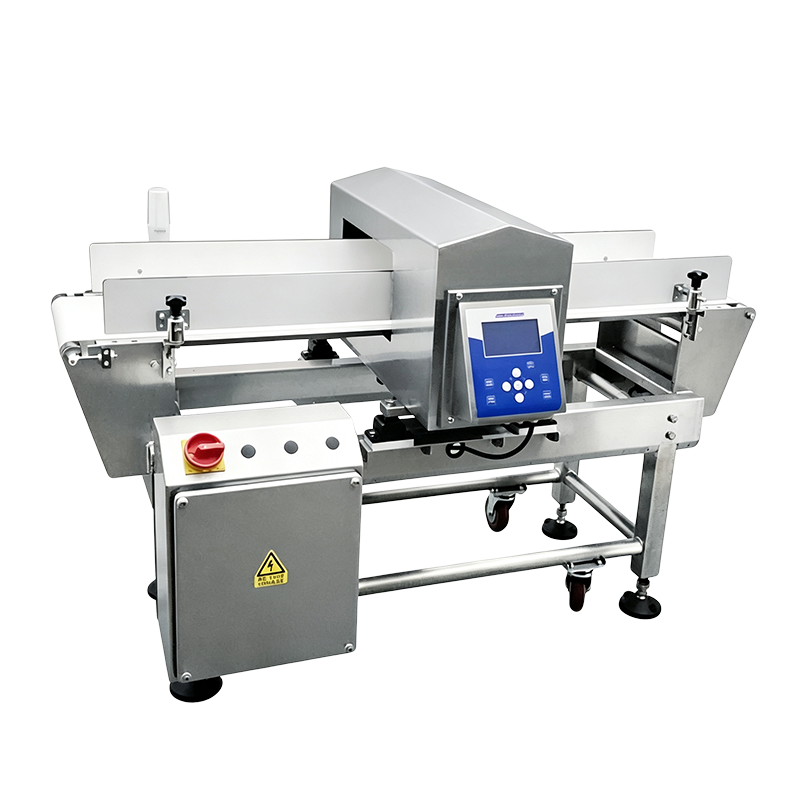
A checkweigher verifies weight; a metal detector or X-ray system looks for foreign objects. They do different jobs. Do not use a checkweigher to hide a filler that cannot hold tolerance.
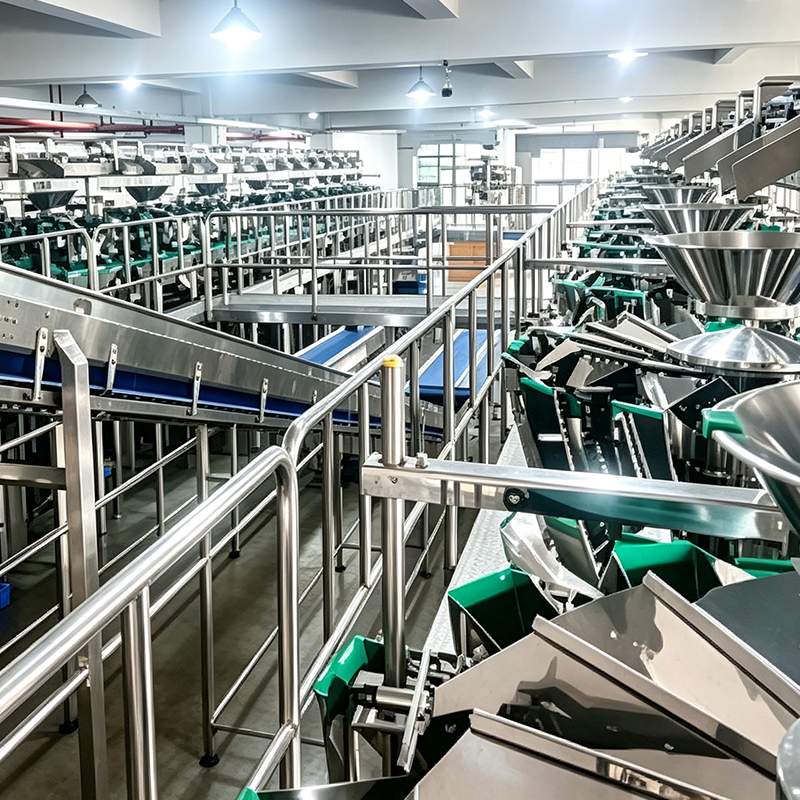
Use an auger filler when volume-to-weight is stable and you want a compact powder dosing station. Use a multihead or linear weigher when density varies enough that weighing each dose is safer. A volumetric cup is the low-cost option for free-flowing granules with stable density, but it is a poor fit for cohesive powders and tight tolerances.
Review weighing equipment selection before you lock the filler specification, because the filling principle changes the whole line layout.
An auger filler is mechanically simple, but powder finds gaps. Empty and clean the hopper at changeover, inspect the auger and tube for wear, check seals, and log calibration weights. Keep a reference powder sample so a new operator can verify performance after cleaning.
Ask whether the hopper, screw and outlet can be removed without tools. If not, changeover time will be longer and cross-contact risk higher.
It can be, but the answer depends on the powder and tolerance. Require a test at 1 kg across three lots, and use a checkweigher to document the result.
Often yes with an agitator, vibration or special hopper, but not always. Test at production humidity and run long enough to see drift.
If weight compliance matters, yes. An auger filler is volumetric; a checkweigher is how you verify and document the fill.
Compare tolerance at your target weight and speed, included tooling, contact parts, cleaning time, dust control and acceptance test. Ignore top-line speed if it is not tied to your container and powder.
Start with a powder sample and a target-weight matrix, not a brochure. Ask for trial data at low, normal and high fills, then size the hopper, auger and checkweigher around those results.
If you want to review a powder filling setup against your container and line layout, discuss a powder trial with K-Line and bring three production samples, target weights and allowed tolerance.
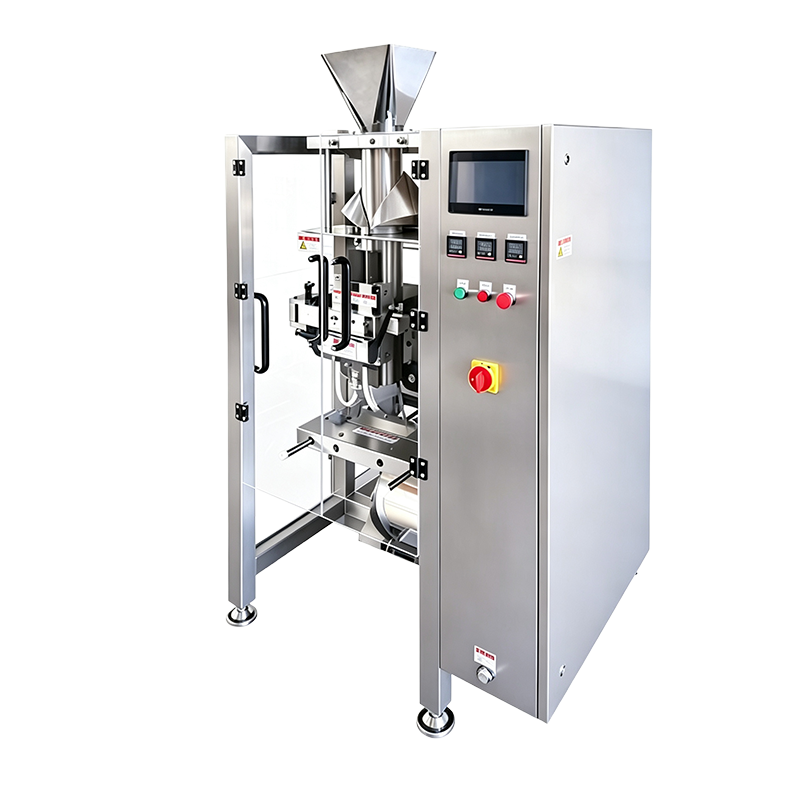

Contact Us
+86-573-82788180
+86-15325730953
Need E-mail
info@mainfill.com
jiayingzhuge18@qq.com
About
Jiaxing K-Line Machinery Co., Ltd. is an automatic packaging machinery manufacturer and service provider serving the domestic high-end and overseas markets.
Links
Products
Get a Free Quote

 English
 中文简体
 Español
 русский