
A food factory that has just approved a new SKU usually has three numbers ready: target bags per minute, bag dimensions, and an installation date. The number that quietly decides the rest of the project is a fourth one, and it is rarely written down — how the product behaves the moment it leaves the scale and falls into the bag.
Get that wrong and a line rated at 80 bags per minute will settle at 50 to 55, with giveaway quietly eating a few grams out of every pack. The sequence that prevents this is unglamorous but reliable: characterise the product, choose the dosing method, choose the bag format, then size conveying, inspection and case packing around the slowest station in the chain. Buying the bagging machine first and fitting everything else around it is the most common reason a new line misses its payback target in year one.
Content
A dosing system is only as good as the product data behind it. Before comparing models, put together a one-page product sheet that answers six questions:
Two products that look identical on a line drawing can demand completely different feeders. Frozen mixed vegetables flow well and suit combination weighing. Dried apricots stick, smear seals and need a different approach. Milk powder behaves like a liquid in a hopper and like dust in the air, so it needs an auger filler plus dust extraction, not a weigher.
Most food lines, whether they pack 30 bags a minute or 300, can be mapped into five zones. Walk the product through each one on paper before you look at quotations.
Between zones, add accumulation. A two-metre buffer loop of conveyor absorbs the thirty seconds a film splice or a jam costs, and it is far cheaper than stopping the weigher every time the case packer hesitates.
Dosing is where the money is made or lost. Every gram of unnecessary giveaway on a 250 g pack, multiplied by 60 bags a minute and two shifts, becomes a line item that dwarfs the price difference between two filler types.
| Method | Typical products | Working accuracy | Practical limits |
|---|---|---|---|
| Combination (multihead) weigher | Frozen vegetables, nuts, snacks, candy, pasta, pet treats | ±0.5–1.5 g on 100–500 g doses | Needs free-flowing pieces; tall frames require headroom above the bagger |
| Linear weigher | Rice, sugar, seeds, granules, small-dose retail packs | ±1–2 g, slower cycle than multihead | Lower output per lane; accuracy drifts if feed is uneven |
| Auger (screw) filler | Flour, milk powder, spices, cocoa, coffee | ±1–2% of dose | Dust control, product build-up in the tube, degassing after filling |
| Volumetric cup | Salt, sugar, rice, beans, free-flowing granules | ±2–3% of dose | Any change in bulk density shifts pack weight directly |
Where a pack mixes two components — say nuts and dried fruit, or a seasoning sachet with a noodle block — a mixing weigher with separate feed channels keeps the ratio stable without a second filling station.
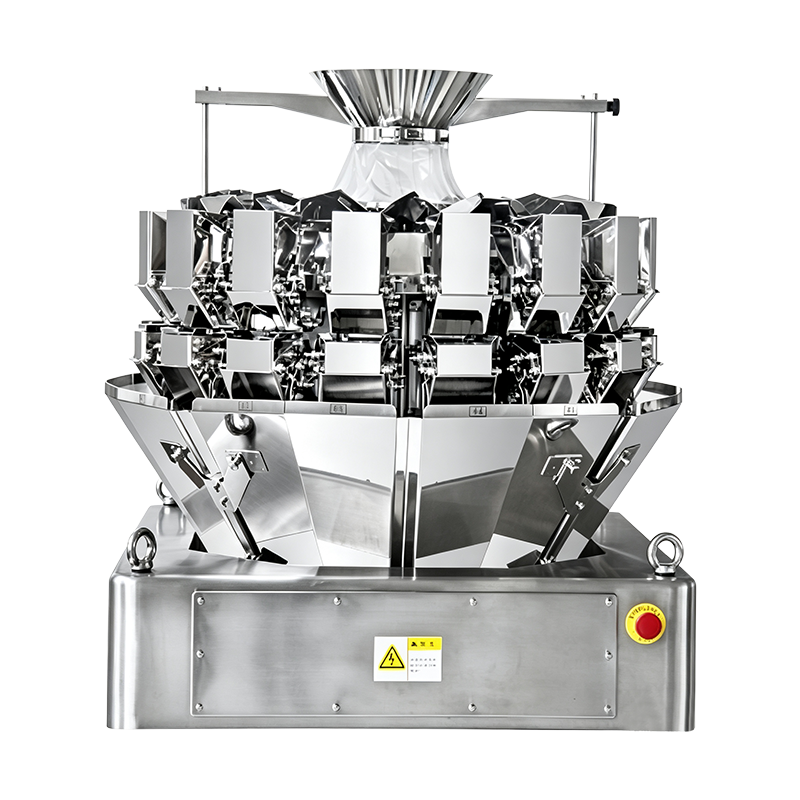 JW-A16 16-Head Mini Multi-Head WeigherFor small-dose, free-flowing products, this 16-head weigher provides 2–200 g dosing, up to 180 packs/min and dual collection hoppers for high-speed weighing.View Product →
The choice between combination and linear weighing is decided by dose tolerance, piece integrity and cycle time rather than by price alone; the multihead versus linear weighing comparison walks through the trade-offs with worked numbers.
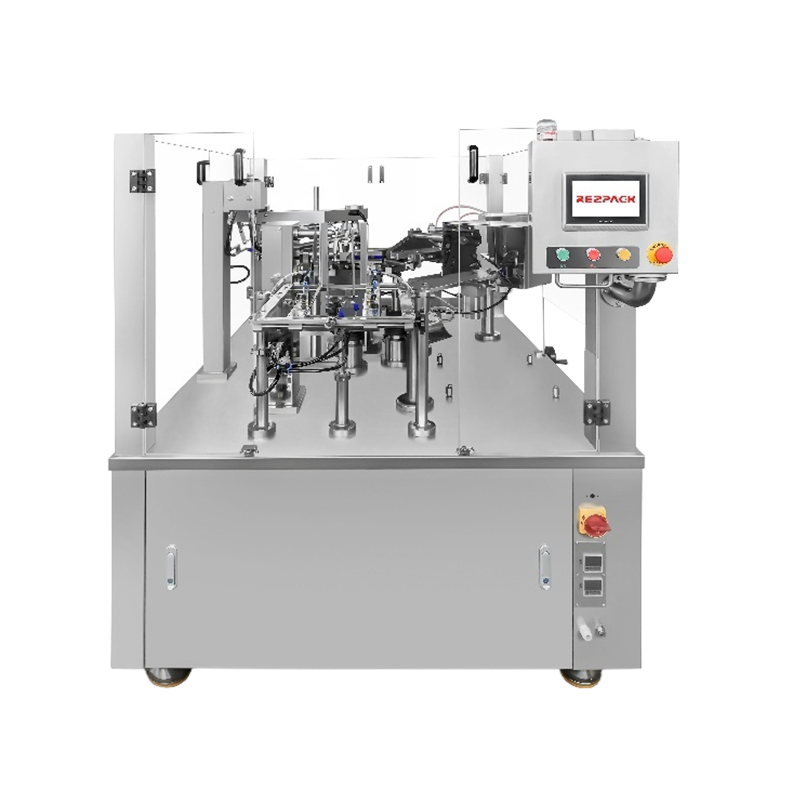
This is the decision that shapes the factory's film store, the pack's shelf presence and the maintenance routine. Vertical form-fill-seal runs from a flat roll, so film cost per pack is lower and speeds are higher, but the finished bag is a pillow or gusset with modest print registration and no reseal feature. Pre-made pouch machines pick a finished bag from a magazine, open it, fill and seal it, which allows stand-up bases, zippers, spouts, and heavier fills, at lower speed and higher film cost.
Within either family, model naming usually tracks bag width and structure: compact classes around 150 mm for small retail packs, 180 to 230 mm for medium and medium-length bags, and 270 mm upward for large-capacity or heavy-duty work. Choose on bag width range, film structure and dose, then check the speed margin.
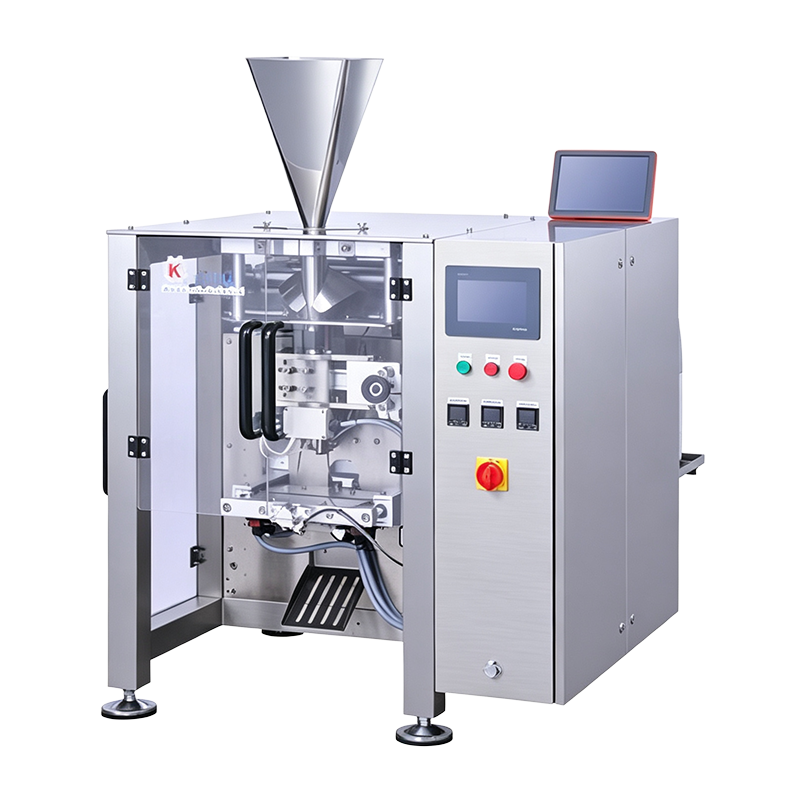 KL180H High-Speed Vertical Packing MachineSharing 50–150 mm bag widths with the KL180S, it raises speed to 150 bags/min via an upgraded motion controller for faster line rates.View Product →
One detail worth confirming early: does the machine's bag width range actually cover both your launch SKU and the larger size planned for next year? A 20 mm shortfall in former capacity turns a two-year-old machine into a spare-parts donor.
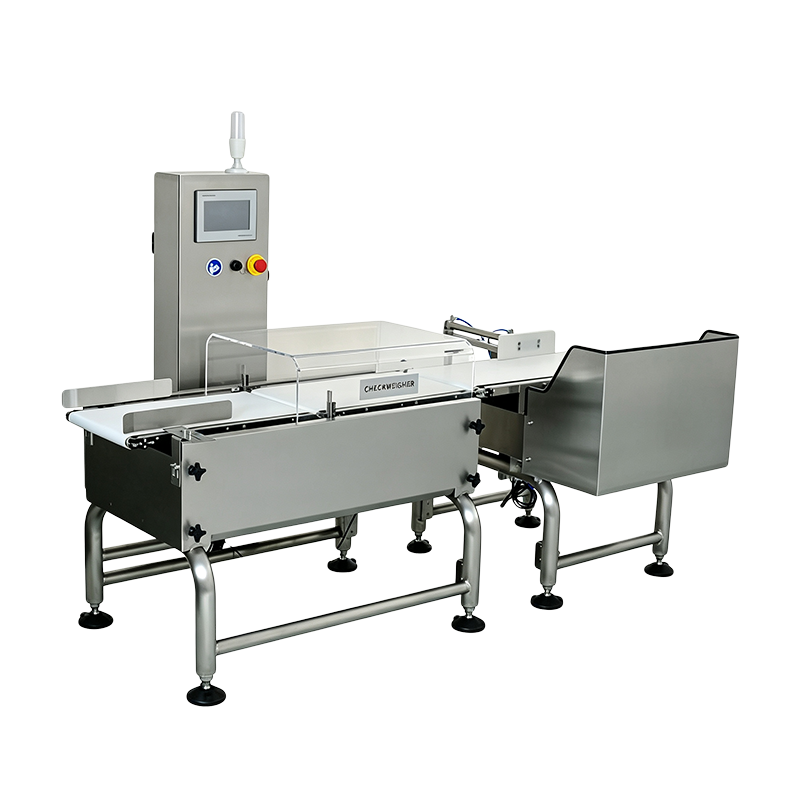
Inspection equipment is often the last item quoted and the first item blamed. Two rules keep it honest. First, the aperture of a metal detector or X-ray tunnel determines sensitivity: a larger opening lets bigger products through but reduces the detectable fragment size, so specify the opening against the tallest pack on the line, not against the average one. Second, a checkweigher is only useful if its reject device is verified — every reject signal must produce a physical removal, confirmed at start-up and again at the end of the shift.
Typical test-piece sizes sit in the 1.5 to 3.0 mm range for ferrous, non-ferrous and stainless samples, depending on aperture and product effect. Products with high salt or moisture content create a signal that must be compensated, which is why factory trials with real product matter more than catalogue specifications.
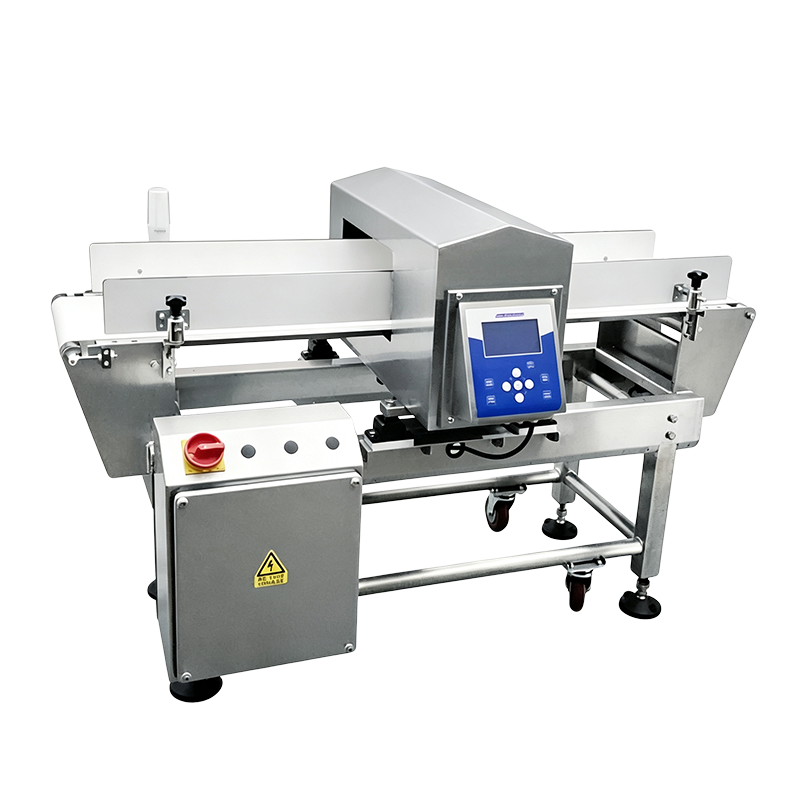 ER3515 Standard Inline Metal Detection MachineFor bagged snacks, boxed medicines and bottled seasonings, this inline detector offers a 350×150 mm aperture, 50 product parameter memories and multiple optional rejection devices.View Product →
For plants packing multiple categories, the food packaging solutions overview groups machines by station so that a line can be assembled in a single configuration rather than patched together from separate catalogues.
Two lines with identical speed ratings can differ by hours of cleaning time per week. Look for the details during the factory visit rather than after installation:
Films matter too. A 300 mm roll diameter means fewer splices per shift than a 200 mm roll; on a 70-bag-per-minute line, that difference shows up as a measurable gain in daily output.
Take a frozen vegetable packer targeting 60 retail bags per minute at 250 g, six bags per carton. Apply realistic losses of 10 to 15 percent for seal failures, film splices, weight rejects and short stops, and the installed rating must be around 70 bags per minute.
| Station | Required output | Allowance applied | Selected rating |
|---|---|---|---|
| Combination weigher | 60 dumps/min | +15% for rejects | 70+ dumps/min |
| Bagging machine | 60 bags/min | +15% for splices and stops | 70 bags/min |
| Checkweigher | 60 packs/min | Belt speed at 200 mm pitch | 70 packs/min throughput |
| Case packer | 10 cartons/min | +20% for carton jams | 12 cartons/min |
Note the direction of the allowances: they push every station above the sales target, not at it. A line specified exactly at 60 bags per minute will deliver roughly 50 in production, and no amount of operator effort recovers the difference.
Acceptance testing is where specifications become contractual. A short, verifiable checklist protects both sides:
A single-lane line from infeed elevator to palletiser typically occupies 15 to 30 metres of length, plus access aisles of at least one metre per side for cleaning and maintenance. Space above the bagger matters as much as floor area: a multihead weigher plus its feed system can add three metres of height.
Yes, and many food factories do exactly that: manual feeding with a bagging machine first, a weigher in year two, inspection in year three, case packing last. What matters is that the future stations are allowed for in the frame, electrical plan and conveyor heights from day one, otherwise the retrofits cost more than the original equipment.
Only when the standard range cannot reach the bag width, fill volume or product shape. Lead time and cost both rise with custom parts, so first check whether an adjacent model in the same series covers the specification with a modest speed margin.
Send real samples, the bulk density range, target dose and tolerance, target bags per minute, bag drawing with film structure, and the cleaning regime. That package lets an engineer propose a configuration rather than a catalogue number, and it usually shortens the quotation cycle instead of extending it.
An automatic packaging line is a chain of tolerances: product flow at the infeed, dose accuracy at the weigher, seal integrity at the jaws, detection capability at the aperture, and case integrity at the end. The chain holds only if each link is specified against the same target output and the same product data — which is why the specification work at the start, tedious as it feels, is the cheapest engineering in the whole project.
K-Line's engineering team has spent close to two decades in automatic packaging, and every system is designed and built under the supervision of senior technical staff before it reaches a customer's floor. If you are planning a food line, the most useful first step is a product sample and three numbers: dose, tolerance and bags per minute.

Contact Us
+86-573-82788180
+86-15325730953
Need E-mail
info@mainfill.com
jiayingzhuge18@qq.com
About
Jiaxing K-Line Machinery Co., Ltd. is an automatic packaging machinery manufacturer and service provider serving the domestic high-end and overseas markets.
Links
Products
Get a Free Quote

 English
 中文简体
 Español
 русский